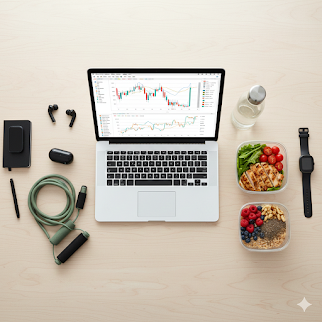

In today’s fast-paced world, maintaining a healthy lifestyle often goes hand in hand with sound financial management. Many people overlook the profound connection between their financial habits and overall well-being. By cultivating specific financial practices, individuals can not only enhance their health but also pave the way for a more sustainable and fulfilling life. This article explores nine essential financial habits that can help you sustain a healthy lifestyle, from budgeting for nutritious foods to investing in preventive healthcare. Whether you’re looking to reduce stress or improve your physical fitness, these habits can empower you to make informed decisions that benefit both your wallet and your well-being.
Understanding the Connection Between Finances and Health

The Impact of Financial Stress on Physical Well-being
Financial stress is like that unwanted houseguest who overstays their welcome. It creeps in, messes with your sleep, and can lead to some serious health issues—think anxiety, high blood pressure, and even heart disease. When you’re worried about money, your focus shifts from your well-being to your bank balance, leading to unhealthy habits like junk food binges or skipping the gym. It’s essential to recognize this connection if you want to keep both your wallet and your waistline happy.
How a Healthy Lifestyle Can Lead to Cost Savings
Believe it or not, eating well and staying fit can save you some serious cash! With fewer doctor visits, lower medication bills, and reduced health insurance premiums, a healthy lifestyle pays for itself (and then some). Plus, when you prioritize nutritious foods and exercise, you’re less likely to succumb to those costly impulse purchases that come with unhealthy habits—goodbye door-dashing and hello home-cooked meals.
Budgeting for a Healthy Lifestyle

Creating a Monthly Budget that Includes Health Expenses
Let’s get down to business! Crafting a monthly budget that includes health expenses is like making a recipe—gather your ingredients (income, fixed costs, and, of course, those sneaky health-related expenses) and mix them carefully. Allocate funds for fresh groceries, gym memberships, and health services. Remember, budgeting isn’t just about accountability; it’s about making room for investments in your well-being that will pay off in the long run.
Tracking Spending in Health-Related Categories
Once you’ve built your budget, it’s critical to keep an eye on those health-related spending categories. Track your expenses like a hawk—yes, even those deli sandwiches that start adding up. Use apps, spreadsheets, or even an old-school notebook if you’re feeling nostalgic. Reviewing your spending will help you make informed choices and adjust your budget as needed, ensuring your health isn’t the first thing to go during lean months.
Investing in Nutritional Education
Understanding Food Labels and Nutritional Value
Reading food labels can feel like deciphering hieroglyphics, but it’s worth the effort! Understanding nutritional information helps you make better choices at the grocery store—after all, a sneaky “healthy” granola bar might be packing more sugar than a candy bar. Get familiar with serving sizes, ingredients, and those pesky added sugars to navigate the aisles like a pro and keep your meals as healthy as your budget.
Resources for Learning about Healthy Eating
There’s a treasure trove of resources out there just waiting to help you up your healthy eating game! From websites and apps like MyFitnessPal to podcasts and YouTube channels, you’ve got a buffet of information at your fingertips. Seek out community workshops, online courses, or even a local nutritionist who can guide you in your quest for culinary wisdom. Investing time in learning about nutrition pays off immensely, leading to healthier choices and, ultimately, a healthier wallet.
Prioritizing Preventive Healthcare Expenses
The Importance of Regular Check-Ups
Regular check-ups are the health equivalent of an oil change for your car—routine maintenance keeps everything running smoothly! Skipping these can lead to surprises that might cost you more down the line (and not the fun kind of surprises). Make it a point to schedule those annual exams and screenings because catching health issues early is not just smart; it’s a savvy financial decision too.
Investing in Health Insurance and Preventive Services
Health insurance may feel like a budget killer, but think of it as your safety net for unexpected medical expenses. Investing in a good plan—and preventive services like vaccinations and screenings—can save you from larger bills down the road. Plus, many insurance plans cover annual check-ups and screenings without a copay, so take advantage of those benefits. It’s an investment in both your health and your finances that can lead to fewer surprises (the bad kind) in the future!
Allocating Funds for Fitness and Wellness Activities

Choosing Affordable Fitness Options
When it comes to staying fit without breaking the bank, think outside the gym! From community parks to online workout videos, there’s a universe of budget-friendly options out there. Consider group classes, which often offer bulk discounts, or outdoor activities like hiking and biking—bonus points for fresh air! Explore apps that provide budget-friendly workout plans tailored to your needs. Remember, a solid workout doesn’t need to come with a hefty price tag; it just needs your determination (and maybe some decent sneakers).
Exploring Community Resources for Wellness Programs
Don’t forget to tap into the treasure trove of wellness resources right in your community! Libraries often host free classes, community centers offer wellness workshops, and local nonprofits might provide support groups. Check bulletin boards, social media groups, and local government websites for programs that can help you stay healthy without the added financial stress. Who says you can’t get fit on a dime?
Managing Debt to Reduce Stress
Strategies for Paying Off Debt Effectively
Debt can feel like that friend who overstays their welcome, so it’s time to show them the door! Start by listing your debts from smallest to largest—this is the snowball method, and it’s both motivational and practical. Prioritize high-interest loans and explore consolidating debts to lower interest rates. You can even set up automatic payments to stay on track—because who doesn’t want to feel like a responsible adult?
The Role of Financial Freedom in Personal Well-being
Financial freedom shouldn’t just be a daydream; it’s key to a healthier, happier life. Reducing debt and managing funds can lift a weight off your shoulders, making room for better mental and physical health. When the financial fog clears, you can focus on what really matters: yoga, meditation, or finally learning how to cook more than just instant noodles.
Building an Emergency Fund for Health-Related Needs
Determining the Right Amount for Your Emergency Fund
First things first: how much should you stash away for a rainy day—or a surprise medical bill? A good rule of thumb is to aim for three to six months’ worth of living expenses, depending on your comfort level. If you’re feeling especially adventurous (or just really love the idea of financial security), you could go for a year’s worth. Think of this as the safety net that lets you jump into life’s adventures without fearing a financial face-plant!
How to Start and Maintain an Emergency Fund
Starting your emergency fund is like starting a diet: it requires commitment but gets easier with time. Open a separate savings account just for these funds, so you won’t be tempted to dip in for, say, a donut binge or a last-minute concert. Aim to put away a small percentage of your income each month—you won’t even miss it after a while. And don’t forget to celebrate milestones! Did you hit your first $500? Throw a mini-party (donuts optional).
Evaluating Long-Term Financial Goals for a Healthy Future
Setting Realistic Health and Financial Objectives
When it comes to goals, think SMART: Specific, Measurable, Achievable, Relevant, and Time-bound. Want to save for that yoga retreat or start a health-focused side hustle? Lay out achievable steps, focusing on what truly enhances your lifestyle. Set deadlines, track progress, and remember: it’s perfectly okay to pivot if your goals evolve.
Adjusting Goals as Life Circumstances Change
Life is about as predictable as a cat—sometimes it jumps in your face, sometimes it curls up and naps. Thus, flexibility in your financial goals is essential. Whether it’s unexpected medical bills or a job loss, being prepared to adjust your goals is vital. Embrace change and stay positive; the ability to adapt can turn financial setbacks into stepping stones! Always keep your eye on the prize: a healthier, stress-free life.Adopting these nine financial habits can make a significant difference in both your health and financial stability. By understanding the interplay between your finances and lifestyle choices, you can create a balanced approach that prioritizes your well-being. Remember, small changes can lead to substantial benefits over time. Start implementing these habits today, and take proactive steps toward a healthier, more financially secure future.
Frequently Asked Questions
How can financial stress impact my health?
Financial stress can lead to anxiety, depression, and various physical health issues, including high blood pressure and heart disease. Managing your finances effectively can help reduce this stress and improve your overall well-being.
What are some affordable options for maintaining a healthy lifestyle?
You can maintain a healthy lifestyle on a budget by exploring local community resources, such as free fitness classes, using seasonal produce for meals, and planning your meals to minimize waste and save money.
How much should I allocate for health-related expenses in my budget?
A general guideline is to allocate around 10-15% of your monthly budget for health-related expenses, including groceries, fitness activities, and preventive healthcare. Adjust this percentage based on your personal health needs and goals.
What is the importance of an emergency fund for health-related needs?
An emergency fund provides a financial safety net for unexpected health-related expenses, such as medical emergencies or sudden wellness needs. Having this fund can alleviate stress and allow you to focus on recovery and maintaining your health.