How to Build an Emergency Fund From $0: Let’s be real for a second. Life has a terrible sense of humor.
One minute you’re coasting through your Tuesday, and the next your car throws a fit on the highway, your company announces layoffs, or your dog swallows something that requires a $2,000 vet visit. (We’ve all been there or know someone who has.
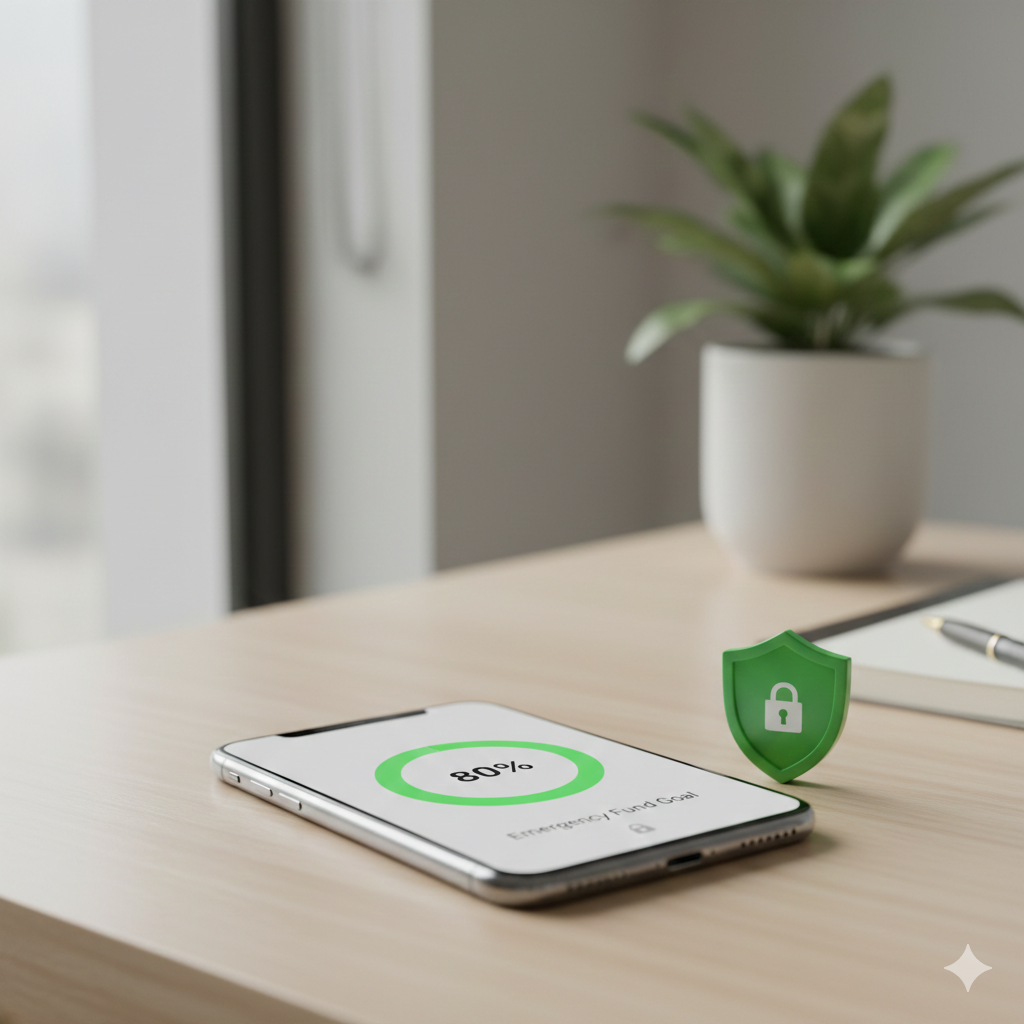
That’s where an emergency fund comes in. Not a “maybe someday I’ll save” fund. Not a “I’ll dip into my 401k” plan. An actual, dedicated, touch-it-only-when-the-world-is-on-fire stash of cash.
Think of it as your financial bodyguard. Quiet. Reliable. Always there when things get ugly.
In this guide, I’m breaking down everything you need to know from how much to save, to where to keep it, to the biggest mistakes people make. Whether you’re just starting out or finally getting serious about your money, this one’s for you.
Who Is This For?
- People living paycheck to paycheck with little to no savings.
- Individuals with irregular income, gig work, or part-time jobs.
- Anyone struggling with debt, rent, or unexpected bills that drain their account.
- Beginners who feel overwhelmed by financial advice and need a simple, actionable plan.
- Those who want to start small, build momentum, and grow an emergency fund from $0.
- People seeking financial peace of mind without unrealistic expectations or gimmicks.
Table of Contents
What Exactly Is an Emergency Fund?
An emergency fund is a dedicated pool of money set aside exclusively for unexpected, necessary, and urgent expenses. It’s not your vacation savings. It’s not your holiday shopping budget. And it’s definitely not “investment capital.”
It’s your financial cushion the thing that stands between you and going into debt every time life throws a curveball.
True emergencies include: sudden job loss, medical bills, car repairs, emergency home repairs, or a family crisis.
Not emergencies: concert tickets, a flash sale on sneakers, or an impulse trip to Vegas.
Knowing the difference is half the battle. Ask yourself: Is this expense unexpected, necessary, and urgent? If yes, that’s exactly what this fund is for.

How Much Should You Actually Have in Your Emergency Fund?
This is the question everyone asks, and the answer is annoyingly “it depends” but in a useful way.
The classic rule of thumb? Save 3 to 6 months’ worth of essential living expenses. That means rent/mortgage, utilities, groceries, insurance, minimum debt payments the non-negotiables.
But here’s where it gets nuanced:
- Single income household or freelancer? Aim for 6 months. You have less of a safety net if things go sideways.
- Dual income, stable job? 3 months may be sufficient, especially early on.
- Self-employed or in a volatile industry? Some financial experts including Dave Ramsey suggest building toward 6-12 months of dedicated savings.
- Have dependents or chronic health conditions? Lean toward 6 months or more.
| Life Situation | Recommended Emergency Fund |
| Single, stable job | 3 months of expenses |
| Dual income household | 3 months of expenses |
| Single income household | 6 months of expenses |
| Freelancer / self-employed | 6–12 months of expenses |
| High medical needs or dependents | 6+ months of expenses |
Not sure how to calculate your target savings size? Add up your monthly essentials and multiply by your target months. Simple math with big peace-of-mind payoff.
How to Build an Emergency Fund From $0
Let’s be honest for a lot of people, “build a financial buffer” sounds like advice that assumes you already have money to spare. You don’t need to start big. You just need to start.
Here’s a step-by-step starter savings approach:
- Set a starter goal of $1,000. Dave Ramsey’s “Baby Step 1” is exactly this a small, achievable buffer to stop the bleeding when life happens.
- Open a dedicated emergency savings account. Keeping it separate from your checking prevents accidental spending.
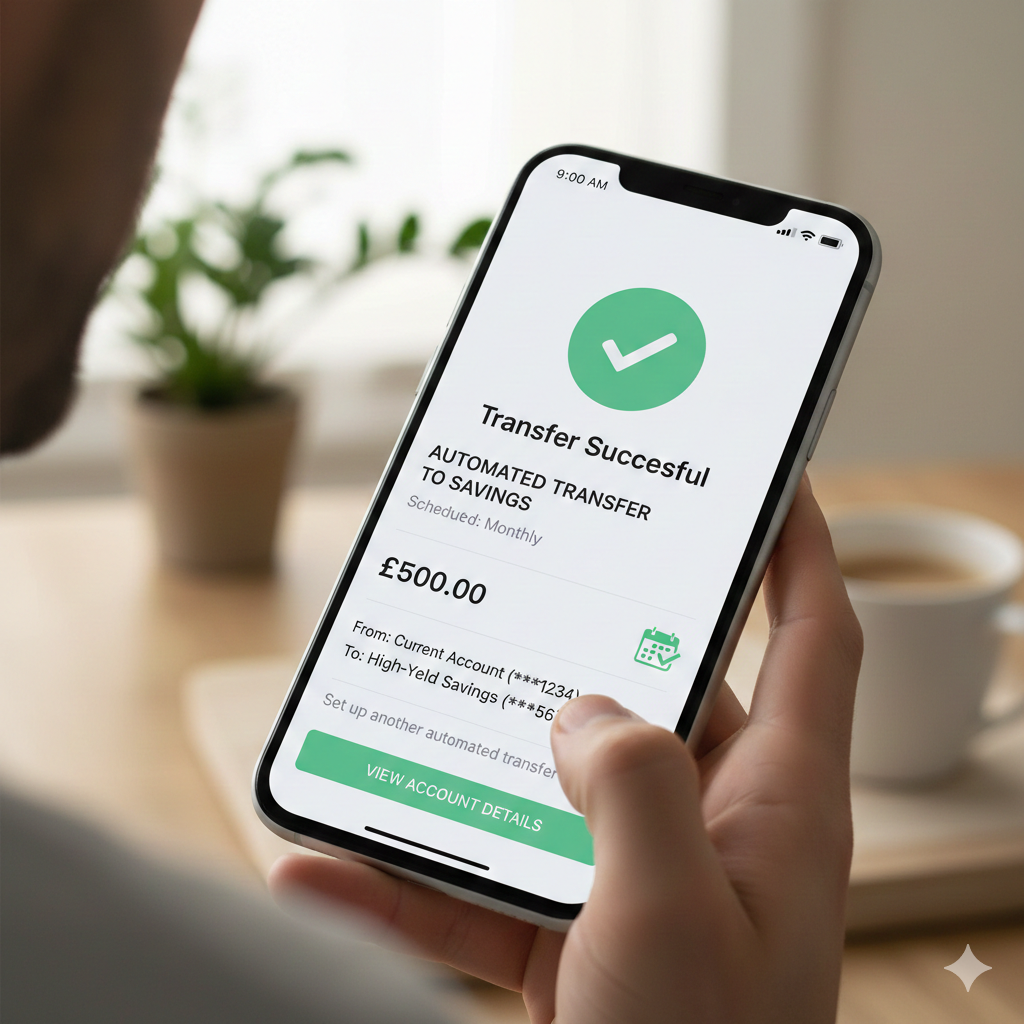
- Automate your transfers. Set up an automatic deposit every payday — even $25 a week adds up to $1,300 a year.
- Use windfalls wisely. Tax refund? Side hustle earnings? Put a chunk straight into the fund.
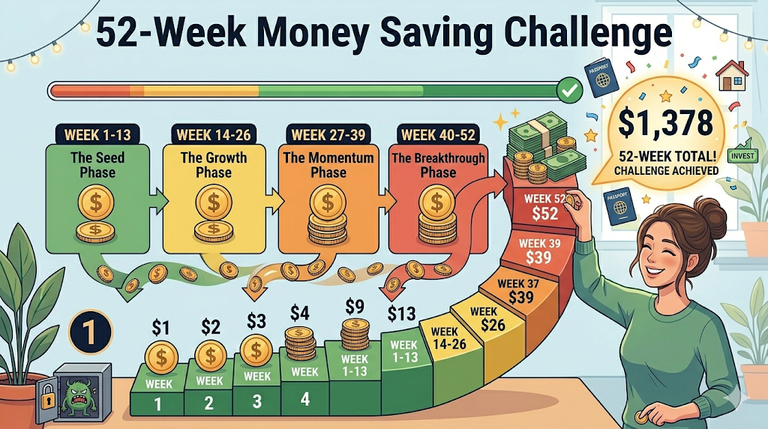
- Try the 52-week savings challenge. Start with $1 in week one, $2 in week two, and so on. By the end of the year, you’ll have saved $1,378.
The goal is momentum. Getting started even small is worth more than waiting until you “have more money.”
Where Should You Keep Your Emergency Fund?
This is one of the most googled questions in personal finance and for good reason. You want your money accessible, but you also don’t want it to just sit there doing nothing.
The best places to park your financial cushion are high-yield savings accounts (HYSAs) they offer better interest rates than traditional savings while keeping your cash liquid and FDIC insured.
Here are some top-rated options to consider in 2026:
| Account | APY | Min. Balance | Key Feature |
| Popular Direct Savings | 4.85% | $100 | No monthly fees, mobile banking |
| CIT Bank Platinum Savings | 4.85% | $5,000 | Division of First Citizens Bank |
| UFB Direct Premier Savings | 4.81% | $0 | ATM card access included |
| Marcus by Goldman Sachs | ~4.4% | $0 | No fees, quick transfers |
| Capital One 360 Performance | 4.25% | $0 | Mobile deposit, no minimums |
| Discover Online Savings | 4.20% | $0 | Cashback debit, zero fees |
| American Express HYSA | ~4.3% | $0 | App-based, simple interface |
| Synchrony High Yield Savings | 4.15% | $0 | ATM access, no minimum |
Pro tip: Don’t keep your safety net in a brokerage account or investment account. Markets fluctuate. The whole point of this fund is that it’s there reliably, fully when you need it.
Should you invest this money instead? Short answer: no. The risk of market dips doesn’t outweigh the small gains you might earn. Stability beats yield, every time, for this particular account.
Emergency Fund vs. Regular Savings: What’s the Difference?
Great question, and one that trips a lot of people up. Here’s the simple breakdown:
| Feature | Emergency Fund | Regular Savings |
| Purpose | Unexpected, urgent expenses only | Planned goals (vacation, wedding, down payment) |
| Access | Liquid, instant access | Liquid, but reserved for goals |
| Mindset | “Break glass in emergency” | “Building toward something” |
| Should you touch it? | Only for real emergencies | As planned milestones are reached |
| Overlap? | No — keep them separate | Yes — in different accounts |
Some people confuse a sinking fund with this kind of account, too. A sinking fund is for predictable, upcoming expenses like car maintenance or Christmas gifts. This account is strictly for the unexpected. Different tools, different purposes.
How to Replenish Your Emergency Fund After Using It
You dipped into your fund. Good that’s what it was there for. Now what?
First: don’t panic. Using it isn’t a failure. It’s a win. It means you didn’t go into debt.
Second: treat replenishing it the same way you built it in the first place.
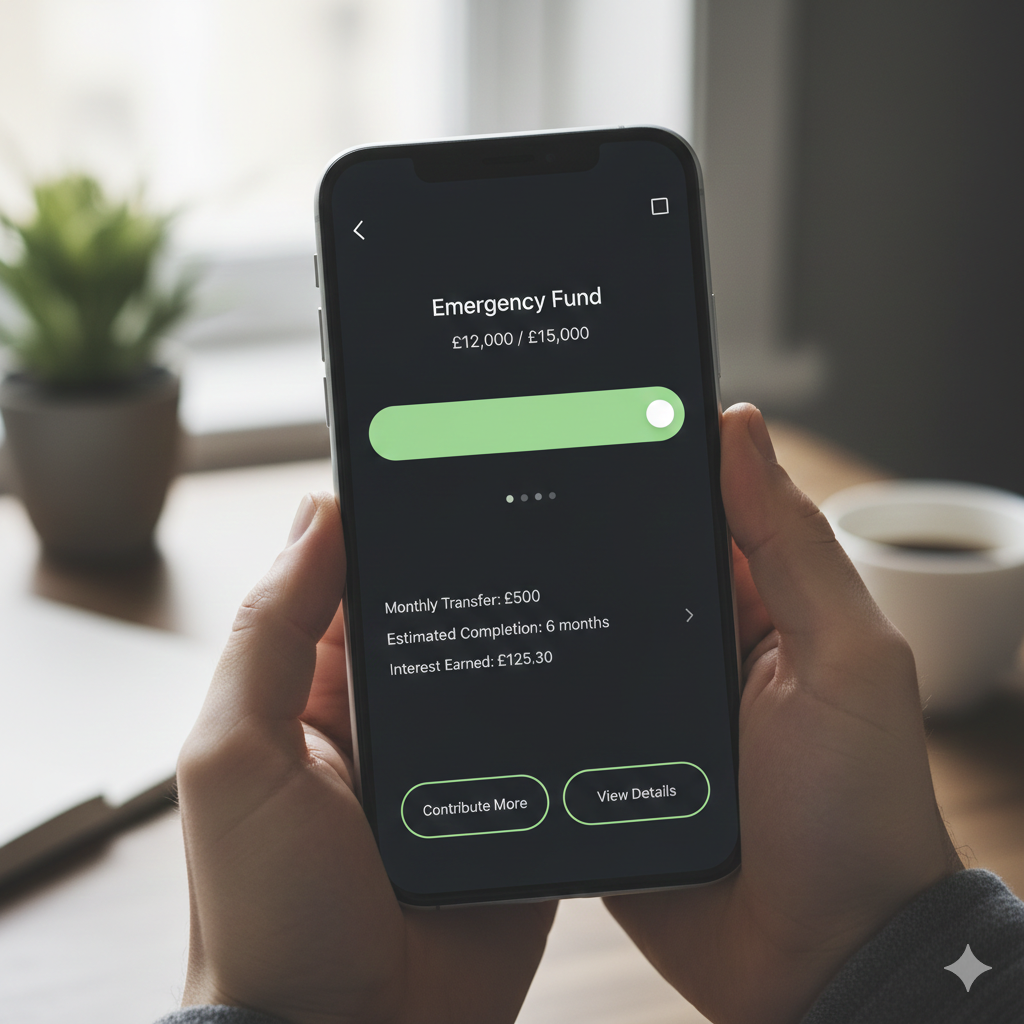
- Temporarily increase your automated transfers
- Cut a non-essential expense for a month or two
- Apply any bonus, tax refund, or side income toward the rebuild
- Track your progress with a savings spreadsheet or budgeting app
Most importantly don’t guilt-trip yourself about using it. Refill it steadily and move on.
Common Emergency Fund Mistakes to Avoid
Let’s talk about the landmines the things people do (or don’t do) that undermine their savings progress:
- Keeping it in your checking account. Too easy to spend. Separation is key.
- Setting the bar too low. A $500 fund sounds nice until your car breaks down and the bill is $1,800.
- Using it for non-emergencies. That sale on a gaming console is not an emergency. Be honest with yourself.
- Not having one at all. Without any savings buffer, you’re one bad week away from high-interest debt. Start small but start now.
- Forgetting to replenish after use. The fund isn’t a one-time setup. It’s a revolving financial safeguard.
- Investing emergency money. Market volatility and your liquid cushion don’t mix well.
Check Out:
- How to Save $10000 in 12 Months (Even on a Low Income)
- 50/30/20 Rule Explained (And Why It Fails Most People)
- How to Budget When You Are Broke: Your 2026 Survival Plan
Emergency Fund Tips for Different Life Stages
Emergency Fund for Beginners
Start with Baby Step 1: save $1,000. Open a dedicated account, set up automation, and don’t overthink it. Perfection is the enemy of progress in personal finance.
Emergency Savings for Students
College students often overlook this, but a small $500–$1,000 buffer can mean the difference between handling a laptop breakdown or skipping weeks of studying. Even small amounts matter.
Emergency Savings for Freelancers
If your income is irregular, your financial buffer should be larger 6 to 12 months of expenses. Irregular income means your financial safety net needs to be stronger.
Building a Family Safety Net
Families should account for every member’s needs: medical costs, childcare disruptions, and potentially supporting a partner during job loss. Six months of full household expenses is a solid target.
Emergency Savings in Retirement
Yes, even in retirement you need a dedicated savings cushion. Unexpected medical costs, home repairs, and other surprises don’t stop at 65. Keep a liquid fund separate from your investment accounts.
Final Thoughts: Your Emergency Fund Is an Act of Self-Respect
Here’s the thing about this kind of savings: they’re not glamorous. Nobody brags about them at dinner parties. There’s no viral TikTok trend about “watch me grow my liquid savings account!”
But they quietly do something powerful: they give you options.
When the unexpected hits, and it will, you won’t panic. You won’t scramble. You won’t go into debt. You’ll just… handle it.
According to the Consumer Financial Protection Bureau, having emergency savings reduces financial stress and improves long-term financial stability. And data from the Federal Reserve consistently shows that millions of people struggle to cover unexpected expenses, often because they don’t have even a small emergency cushion.
Frequently Asked Questions About Emergency Funds
1. What is an emergency fund?
An emergency fund is a dedicated savings reserve used exclusively for unexpected, urgent financial needs,job loss, medical bills, car breakdowns, and similar crises. It’s your financial first responder.
2. How much money should I actually have saved?
The general guideline is 3 to 6 months of essential living expenses. Freelancers, single-income households, and people with dependents should aim for the higher end or beyond.
3. How do I start building one from scratch?
Start small. Set a $1,000 starter goal, open a high-yield savings account, and automate a fixed transfer every payday. Consistency beats size, especially early on.
4. Where’s the best place to keep it?
A high-yield savings account (HYSA) is the gold standard. It’s FDIC insured, earns meaningful interest, and keeps your money liquid without being too accessible.
5. What counts as a true emergency?
Something unexpected, necessary, and urgent like a medical crisis, sudden job loss, critical home repair, or major vehicle breakdown. A sale or a trip is not an emergency.
6. Can I use these savings for planned expenses?
No. Planned expenses like annual subscriptions, holidays, or car maintenance belong in a sinking fund not mixed into your crisis cash. Keep the two separate.
7. What are the best account types for this purpose?
Top picks include Marcus by Goldman Sachs, Capital One 360 Performance Savings, Discover Online Savings, UFB Direct, and CIT Bank Platinum Savings. All offer competitive APYs with zero or low fees.
8. How do I refill my savings fund after using it?
Increase your automated savings temporarily, redirect windfalls (tax refunds, bonuses) to the fund, and trim non-essential spending until it’s restored. Treat rebuilding it with the same urgency as building it.
9. Should I invest this money or keep it in cash?
Keep it liquid. This money is not for growth it’s for stability. Investing it in stocks or crypto exposes it to volatility exactly when you might need it most.
10. Is there a savings calculator I can use for this?
Yes! Many personal finance apps and websites including NerdWallet, Bankrate, and Smart Asset offer free savings calculators for this purpose. You can also use a simple spreadsheet: monthly essentials x 3 (or 6) = your target.