
Let me be straight with you: if you’ve ever searched how to pay off debt fast, you already know that debt is exhausting.
It’s that quiet background noise in your life, the number you avoid thinking about when you’re trying to enjoy a Saturday morning, the reason you hesitate before ordering guacamole. Whether you’re staring down $3,000 in credit card debt or $50,000 in student loans, the weight of it is real. And you’re not alone. Americans collectively owe over $17 trillion in household debt. Yeah. Trillion.
But here’s the thing, getting out of debt fast is absolutely possible. Not magic, not a scam, not some guru selling a $997 course. Just smart strategy, a little discipline, and the right tools working for you. I’m going to walk you through exactly how to do it.
Table of Contents
How to Pay Off Debt Fast: Where to Actually Start
Before we get into tactics, let’s talk about the big picture. The fastest way to pay off debt combines three things:
- Reducing the interest, you’re paying
- Increasing the amount, you throw at the balance each month
- Staying consistent long enough for it to work
Sounds simple, right? It kind of is. but most people never do it because they don’t have a plan. That’s what this guide is for.
This Guide Is for You If:
- 💳 You’re drowning in credit card, student, or medical debt and don’t know where to start
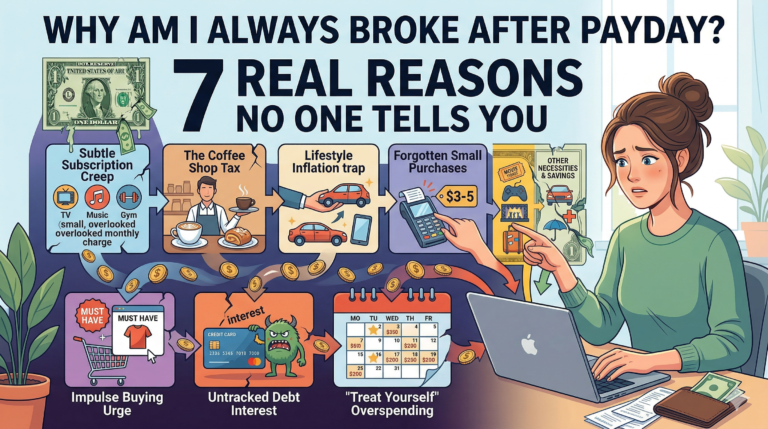
- 💸 Your paycheck disappears before you even make a dent in what you owe
- 📉 You’ve tried paying off debt before — but life kept getting in the way
- 🏦 You’re on a low income and think becoming debt-free is just not possible for you
- 😤 You’re tired of minimum payments that never seem to move the needle

The Two Methods That Actually Work: Snowball vs. Avalanche
This is probably the most common question people ask — and honestly, it’s the right one to start with.
The Debt Snowball Method
Pay off your smallest balance first, regardless of interest rate. Once that’s gone, roll that payment into the next smallest debt. And so on.
Best for: People who need quick wins to stay motivated. There’s something genuinely powerful about eliminating an entire debt. even a small one. It builds momentum.
The Debt Avalanche Method
Pay off your highest interest rate debt first. Mathematically, this saves you the most money in the long run.
Best for: People who are disciplined and can handle a longer runway before seeing a full payoff.
| Feature | Debt Snowball | Debt Avalanche |
|---|---|---|
| Focus | Smallest balance first | Highest interest rate first |
| Motivation | High (quick wins) | Moderate (slower progress) |
| Interest savings | Lower | Higher |
| Best for | Emotional motivation | Mathematical efficiency |
| Time to debt-free | Slightly longer | Slightly faster |
My take? When figuring out how to pay off debt fast, pick the method you’ll actually stick with. the best strategy is the one you don’t quit.
Can You Pay Off Debt Fast Without a Budget?
Short answer: not really. Long answer: technically yes, but you’ll leave a lot of money on the table.
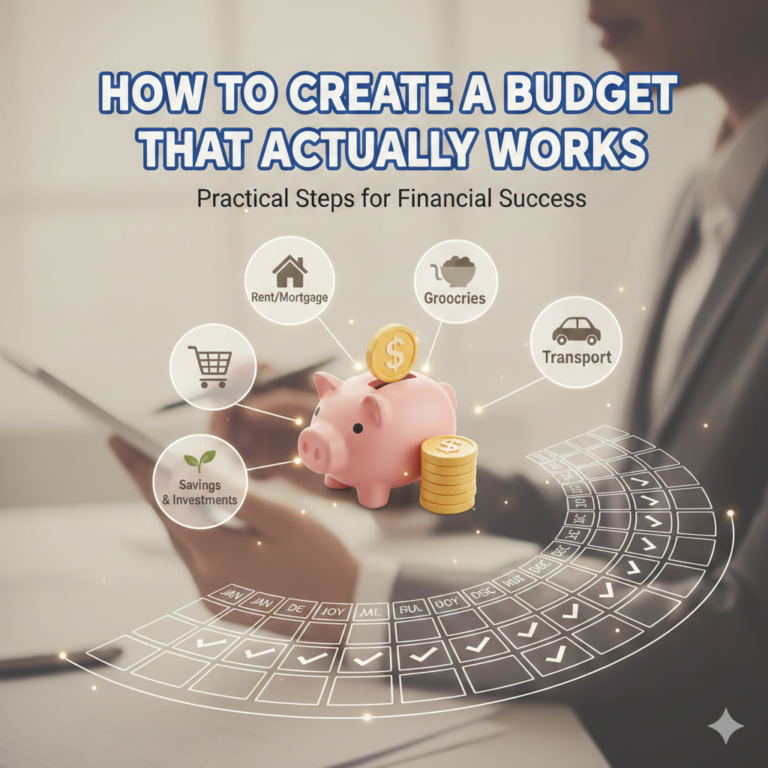
Here’s the thing — you don’t need a rigid, color-coded spreadsheet that makes you feel like you’re filing taxes every Sunday. But you do need to know where your money is going. Most people who say “I don’t have anything extra to put toward debt” are shocked when they actually track their spending for 30 days.
A simple starting framework: try the 50/30/20 rule 50% of income to needs, 30% to wants, 20% to savings and debt. If you’re in aggressive payoff mode, try flipping that 30% and 20%, or cutting the “wants” category down hard temporarily.
Apps like YNAB (You Need a Budget) or Rocket Money make this almost effortless. They sync to your bank, categorize everything automatically, and show you exactly where that mysterious $300/month is disappearing to. (Spoiler: it’s subscriptions and takeout. It’s always subscriptions and takeout.)
Should You Consolidate Your Debt to Pay It Off Faster?
One of the most effective answers to how to pay off debt fast is debt consolidation. though it gets a bad reputation most of the time.
Here’s how it works: you take out a personal loan at a lower interest rate than your current debts, use it to pay them all off, and then make one single monthly payment at that lower rate.
Example: If you have three credit cards charging 22%, 24%, and 26% APR, and you can get a personal loan at 10%, you just cut your interest cost dramatically. That means more of your payment goes to principal. and you’re out of debt faster.
Good options to explore:
- SoFi Personal Loans — competitive rates, no origination fees
- Marcus by Goldman Sachs — fixed rates, no hidden fees
- LendingTree — compare multiple lenders at once to find your best rate
Important caveat: Consolidation only works if you stop adding to the debt. If you clear your credit cards and then run them back up, you’ve just doubled your problem.
How Much Extra Should You Pay Each Month?
This is where the real magic happens and where most guides gloss over the specifics.
Let’s say you have $5,000 on a credit card at 20% APR. If you pay the minimum (~$100/month), you’ll be paying for over 9 years and spend nearly $4,700 in interest alone. But if you pay just $250/month, you’re done in about 2 years and pay roughly $1,100 in interest.
That’s the power of throwing even modest extra money at debt.
Quick rules of thumb:
- Even an extra $50/month makes a meaningful difference
- Windfalls (tax refunds, bonuses, birthday money) should go straight to debt
- The “round up” method — rounding every payment to the nearest $50 or $100 is an easy habit to build
Use the Bankrate Debt Payoff Calculator or NerdWallet’s Credit Card Payoff Calculator to model your exact scenario. Seeing the numbers is genuinely motivating.
Is a 0% Balance Transfer Card Worth It?
Yes. if you use it strategically.
A 0% balance transfer card lets you move high-interest debt onto a new card that charges zero interest for a promotional period, typically 12 to 21 months. During that window, every dollar you pay reduces the actual principal. No interest bleeding you dry.
The Citi Simplicity Card and Discover It Balance Transfer card are popular options with some of the longest 0% intro periods available.
The catch: There’s usually a balance transfer fee (typically 3–5% of the amount transferred). And if you don’t pay off the balance before the promo period ends, you’ll get hit with the card’s regular APR — often 20%+. So go in with a plan and a payoff timeline.

How to Pay Off Debt Fast with a Low Income
When people ask how to pay off debt fast on a low income, this is the most common and most discouraging question I hear.
Practical strategies for tight budgets:
- Negotiate your interest rates. Seriously just call your credit card company and ask. It works more often than people realize. Reference your good payment history if you have it.
- Start a side hustle. Freelancing, delivery driving, selling on Poshmark or eBay, even, an extra $200–$300/month can cut years off your debt timeline.
- Cut one major expense. Not everything. Just one. Cancel the streaming services you forgot you had. Drop to a cheaper phone plan. Cook at home for 30 days.
- Use Earnin to access your earned wages before payday — avoiding overdraft fees and late payment charges that create their own spiral.
The goal with a low income isn’t perfection. It’s prgress. Any extra dollar you send toward debt is a dollar that stops growing.
Should You Pay Off Debt or Save Money First?
Ah, the eternal personal finance debate. Here’s my honest take:
Build a small emergency fund first around $1,000. This is non-negotiable. Without it, one flat tire or unexpected medical bill sends you right back to the credit card, and you’ve undone all your progress.
Once you have that buffer, go hard on the debt. The math almost always favors paying off high-interest debt over investing or saving in a low-yield account. A 20% APR on your credit card is like an automatic 20% guaranteed return when you pay it off — you won’t find that in any savings account.
After your high-interest debt is gone, then start building a proper 3–6-month emergency fund and contribute to retirement.
The Best Apps to Pay Off Debt Fast in 2026
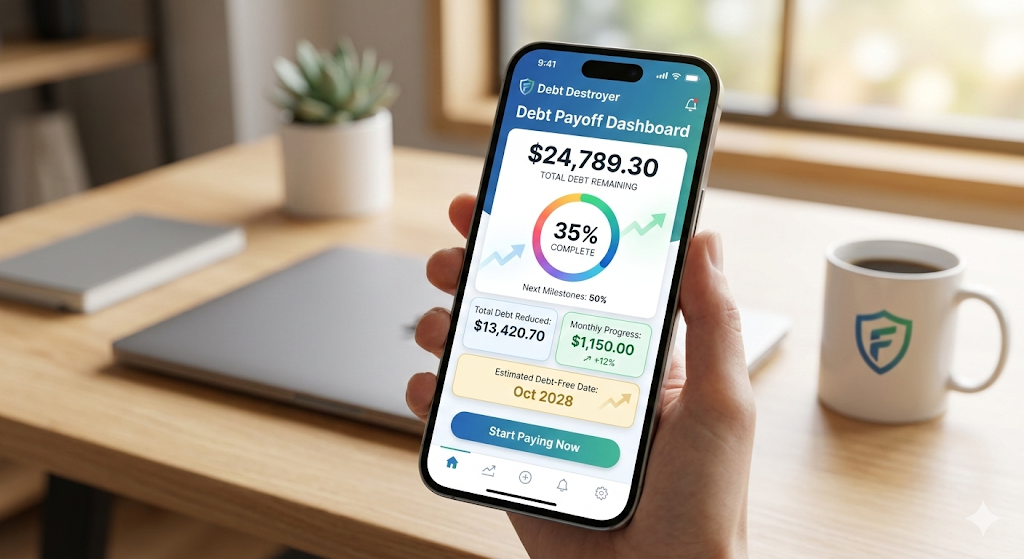
One of the smartest moves when learning how to pay off debt fast is letting technology work for you. you don’t have to do this alone.
| App | Best For | Cost |
|---|---|---|
| Undebt.it | Visualizing multiple debt payoff methods | Free / low-cost premium |
| YNAB | Zero-based budgeting + debt tracking | ~$14.99/month |
| Rocket Money | Subscription cancellation + bill negotiation | Free / $6–$12/month |
| Bright Money | Automated credit card payoff | Subscription-based |
| Credit Karma | Finding lower-rate loan/card options | Free |
| Qapital | Automatic round-up savings toward debt | $3–$12/month |
Undebt.it in particular is a gem for people juggling multiple debts — it lets you run “what if” scenarios to see how an extra $100/month or a lump-sum payment changes your payoff date. Genuinely eye-opening.
How to Stay Motivated While Paying Off Debt
Let’s be real. debt payoff is a marathon, not a sprint. And marathons are hard to finish when you’re bored, frustrated, or feel like you’re not making progress.
Here’s what actually helps:
- Track visually. Print a debt thermometer or use an app’s progress bar. Humans are wired to want to fill things in.
- Celebrate milestones. Paid off a card? Celebrate just not with a purchase that puts you back in debt. Dinner at home with your favorite meal counts.
- Tell someone. Accountability partners are underrated. A friend or partner who knows your goal will keep you honest.
- Remember your “why.” Write down what being debt-free means to you — freedom, security, the ability to travel, stop stressing. Read it when you want to quit.
- Listen to the community. The r/personalfinance and r/debtfree communities on Reddit are full of real stories, real numbers, and real motivation.
A Simple Debt Payoff Action Plan (Start Today)
Knowing how to pay off debt fast doesn’t mean overhauling your entire life this week, you just need a few clear, actionable steps
- List every debt — balance, minimum payment, interest rate
- Choose your method — snowball or avalanche
- Find $100–$200 extra per month — through budgeting, cutting, or a side hustle
- Set up automation — auto-pay minimums on everything, extra payment on your target debt
- Use a tool — Undebt.it, YNAB, or a simple spreadsheet
- Check in monthly — adjust as your income or expenses change
That’s it. The plan doesn’t have to be complicated. It has to be consistent.
Read:
Frequently Asked Questions on How to pay off debts
Q: Does telling people about your debt payoff plan help you pay off debt fast?
Telling the right people about your goal to pay off debt fast can significantly increase your success rate. Behavioral psychology research shows that social accountability — sharing your goal with a trusted friend, partner, or community like r/debtfree — creates a commitment that’s hard to abandon. You don’t need to broadcast your finances publicly. One or two supportive, non-judgmental people is all it takes to stay on track and actually follow through on your debt payoff plan.
Q: Can aggressive debt repayment hurt your mental health?
Yes — and this is one of the most overlooked risks when trying to pay off debt fast. Going too aggressive too quickly leads to financial burnout, anxiety, and eventually quitting your plan altogether. Studies link financial stress to sleep problems and relationship strain. The smartest aggressive debt repayment strategy builds in small, guilt-free spending rewards each month — keeping the process sustainable without sacrificing meaningful progress toward becoming debt-free.
Q: Can paying off debt too fast actually hurt your credit score?
Ironically, trying to pay off debt fast without a strategy can temporarily hurt your credit score. Closing paid-off credit accounts reduces your available credit and shortens your credit history — two key factors in your score. Additionally, neglecting your emergency fund while making aggressive debt repayment leaves you vulnerable to new debt the moment an unexpected expense hits. The best way to pay off credit card debt fast is keeping old accounts open and maintaining a small cash buffer throughout the process.
Final Thoughts: Your Debt-Free Life Is Closer Than You Think
Here’s what I want you to take away: how to pay off debt fast isn’t about being perfect, earning more, or having some financial superpower
The people who get out of debt aren’t smarter than you. They’re not luckier. They just started and kept going.
So now that you know how to pay off debt fast, pick your method, download an app, and make one extra payment this month.
You’ve got this.
Has a debt payoff strategy that’s worked for you? Drop it in the comments below. your experience might be exactly what someone else needs to hear today.

Disclaimer: This article is for informational purposes only and does not constitute financial advice. Always consult a certified financial planner or credit counselor for guidance specific to your situation.