7 Powerful Daily Fitness Routine for Beginners at Home to Lose Weight Fast
fitness routine for beginners at home?: Let me ask you something. Be honest.
How many times have you told yourself, “I’ll start Monday” — and then Monday came and went, and then it was suddenly Thursday, and the whole week vanished? Yeah. We’ve all been there.
Here’s the good news: building a daily fitness routine for beginners at home doesn’t require a gym membership, expensive equipment, or hours of your day. It requires about 20 minutes, a bit of floor space, and the decision to actually start.
This guide is your practical, no-fluff roadmap. I’m going to walk you through everything — from what to do on day one, to how to keep going when motivation dips (because it will). Whether you’re a total beginner in your 20s, a busy parent in your 40s, or someone who’s tried and quit before, this is built for you.
Let’s build something that actually lasts.
What Is the Best Daily Fitness Routine for Beginners at Home?#
The best fitness routine for beginners at home is the one you’ll actually do every day. Not the most intense one. Not the one with 47 different exercises. The one that fits your life.
For someone just starting out, a great daily home fitness routine includes three components working together:
- A warm-up that gets your body ready to move
- A main workout that hits multiple muscle groups
- A cool-down that keeps your muscles loose and your joints happy
What does that look like on a practical level? Here’s a simple weekly overview to get you started — one that cycles through different focuses so your body gets variety and adequate recovery:
| Day | Focus Area | Exercises | Duration |
| Mon | Full Body | Squats, Push-ups, Plank | 20 min |
| Tue | Cardio + Core | High Knees, Crunches, Dead Bug | 15–20 min |
| Wed | Lower Body | Lunges, Glute Bridge, Calf Raises | 20 min |
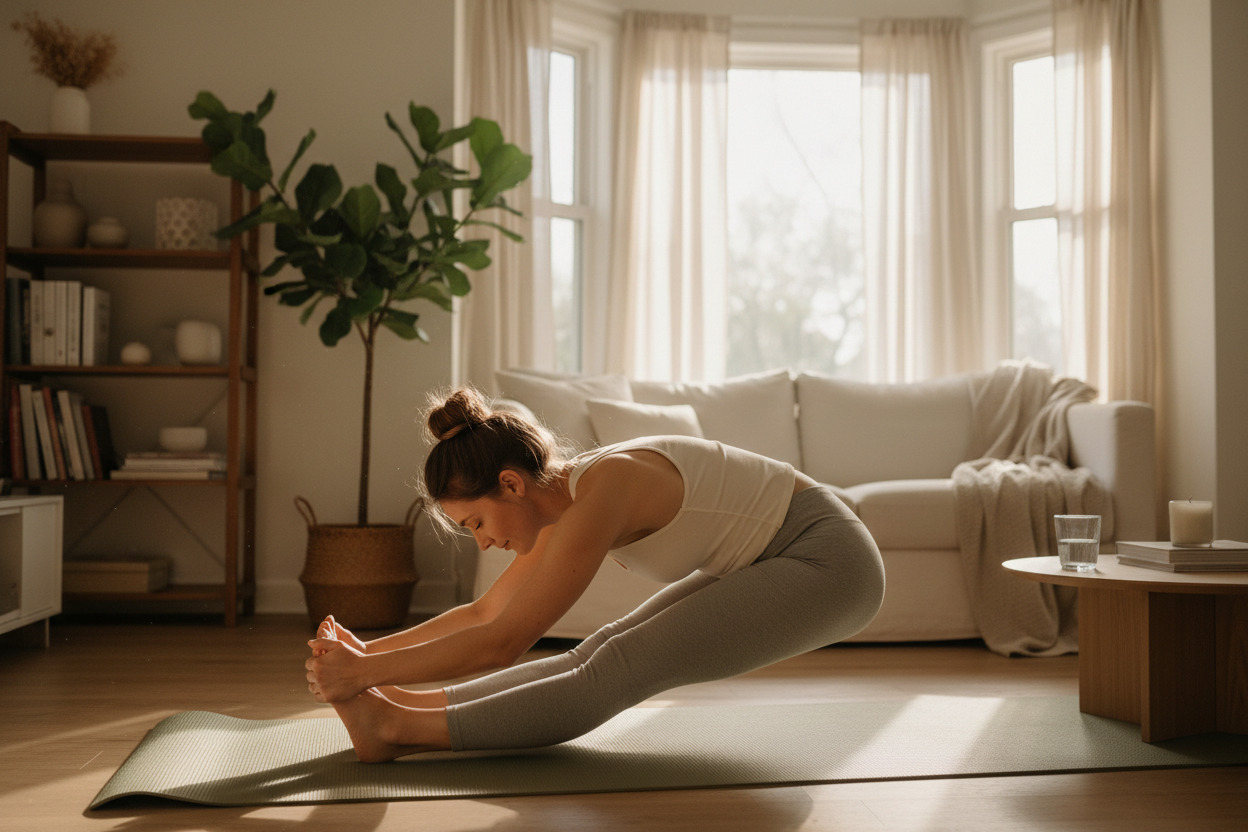
| Thu | Stretch & Recovery | Yoga-style stretching, Foam roll | 15 min |
| Fri | Upper Body | Push-ups, Dips, Pike Push-ups | 20 min |
| Sat | Active Rest | Walk, Light Jog, Dance | 20–30 min |
| Sun | Full Rest | Sleep, hydrate, prep | — |
Pro Tip: You don’t have to do intense cardio seven days a week. Active rest days (stretching, walking, light movement) are just as important as your workout days — maybe more so.
How Long Should a Daily Beginner Workout Be? (Shorter Than You Think)#
Here’s the answer that surprises most people: 20 minutes is enough.
We live in a culture that glorifies the grind — two-hour gym sessions, 5 a.m. wake-ups, dripping-wet post-workout selfies. But none of that is necessary, or realistic, for a beginner. Science backs this up: short, consistent workouts outperform long, sporadic ones every single time.
Here’s a realistic time breakdown for a 20-minute daily home workout:
- 3–5 minutes: Dynamic warm-up (light cardio, mobility drills)
- 12–15 minutes: Main bodyweight circuit (4–6 exercises)
- 2–3 minutes: Cool-down stretch
Once you’ve been at it for 3–4 weeks and your body is adapting, bump it to 30 minutes. Add more sets, not more exercises. Quality over quantity — always.
Remember: A 20-minute workout you do daily beats a 60-minute workout you avoid all week.
Do I Need to Warm Up Before My Daily Home Workout?#
Yes. Every single time. No exceptions.
I know it’s tempting to skip it — you’re busy, you just want to get the workout done, and it doesn’t feel like “real” exercise. But warming up does three critical things:
- Raises your core body temperature, making muscles more pliable
- Increases blood flow and oxygen delivery to working muscles
- Primes your nervous system so your movements are more coordinated and powerful
Quick 5-Minute Daily Warm-Up for Beginners:
- 30 seconds — March in place (raise those knees)
- 30 seconds — Arm circles (forward, then backward)
- 30 seconds — Hip circles (hands on hips, draw big loops)
- 30 seconds — Torso rotations
- 30 seconds — Leg swings (front to back, each side)
- 30 seconds — Low-impact jumping jacks or step-outs
- 30 seconds — Inchworms (walk hands to plank and back)
That’s seven moves, five minutes, and your body is now ready to work. Skip it and you’re risking injury — and nothing derails a new routine faster than two weeks on the couch nursing a pulled muscle.
7 Best Exercises for a Simple Daily Fitness Routine for Beginners at Home#
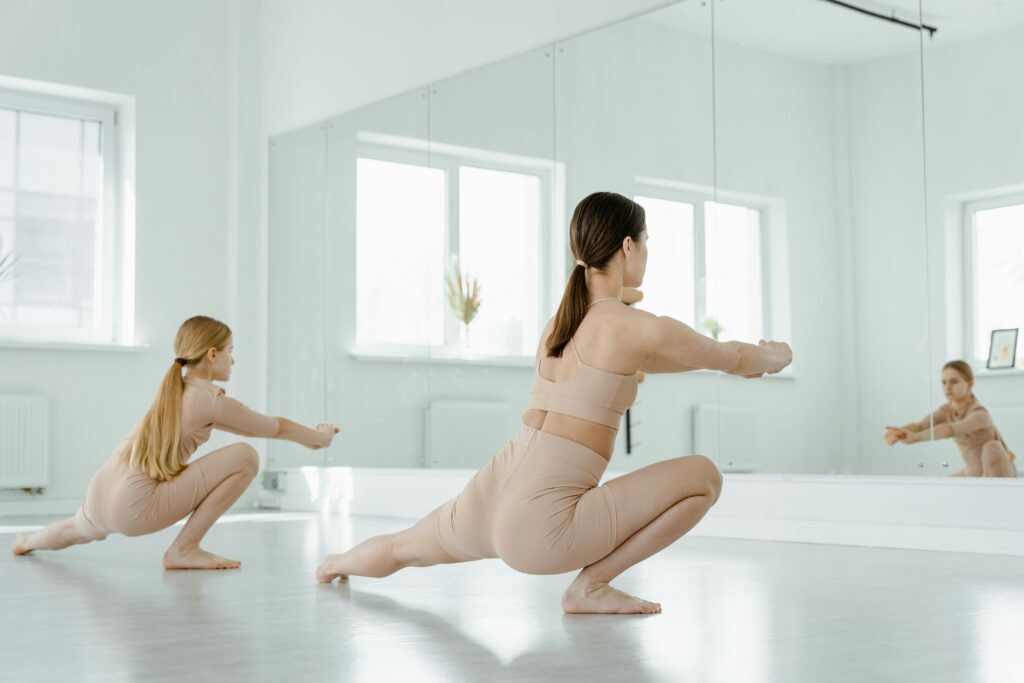
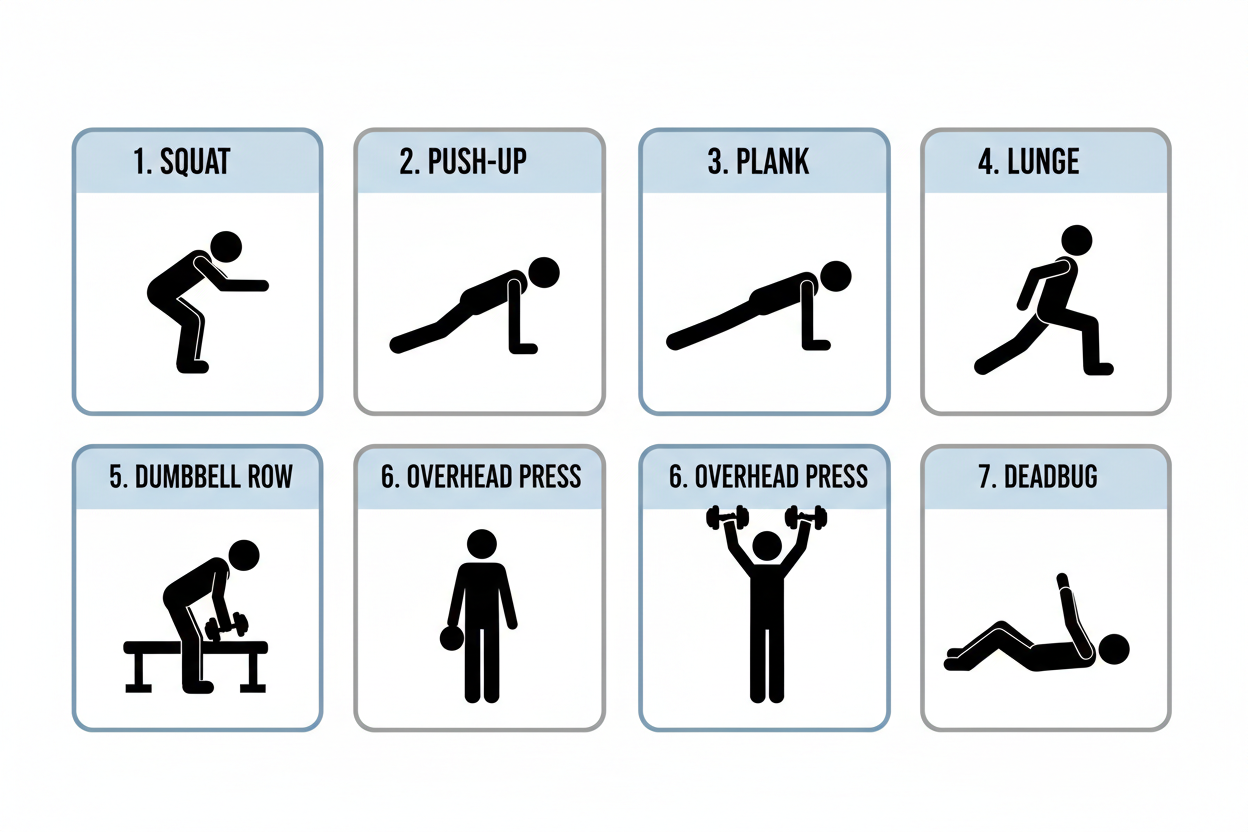
Great news: you don’t need a cage of dumbbells or a treadmill to build real fitness. These seven bodyweight exercises cover every major muscle group and form the backbone of an effective no-equipment daily fitness routine at home.
For more science-backed guidance on how exercise improves overall health, you can check this resource from the American Heart Association:
https://www.heart.org/en/healthy-living/fitness
1. Bodyweight Squats#
The single best lower-body exercise you can do anywhere. Targets quads, hamstrings, glutes, and core. Keep your chest tall, feet shoulder-width, and sit back like you’re lowering into a chair.
2. Push-Ups#
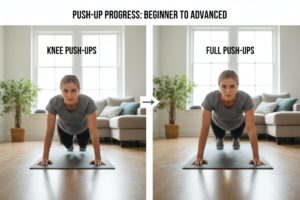
The classic — and for good reason. Works chest, shoulders, triceps, and core all at once. If standard push-ups are too hard right now, do them from your knees. No shame. That’s just where you are today.
3. Reverse Lunges#
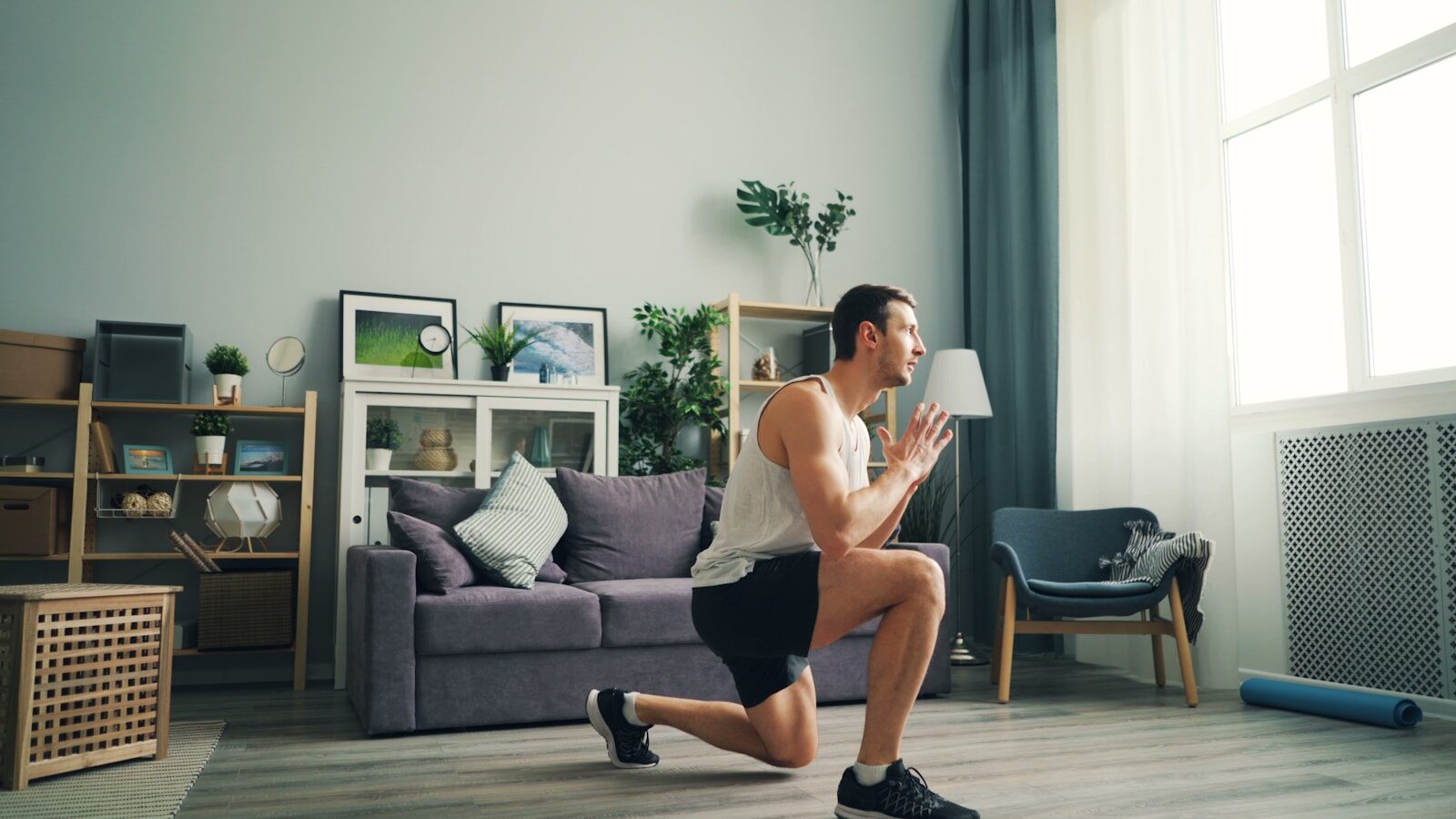
Easier on the knees than forward lunges and just as effective. Step backward, drop your back knee toward the floor, return to standing. Alternate sides.
4. Glute Bridges#
Lie on your back, feet flat, drive your hips toward the ceiling. Incredible for the posterior chain — glutes, hamstrings, lower back. Great for people who sit at a desk all day.
5. Plank#
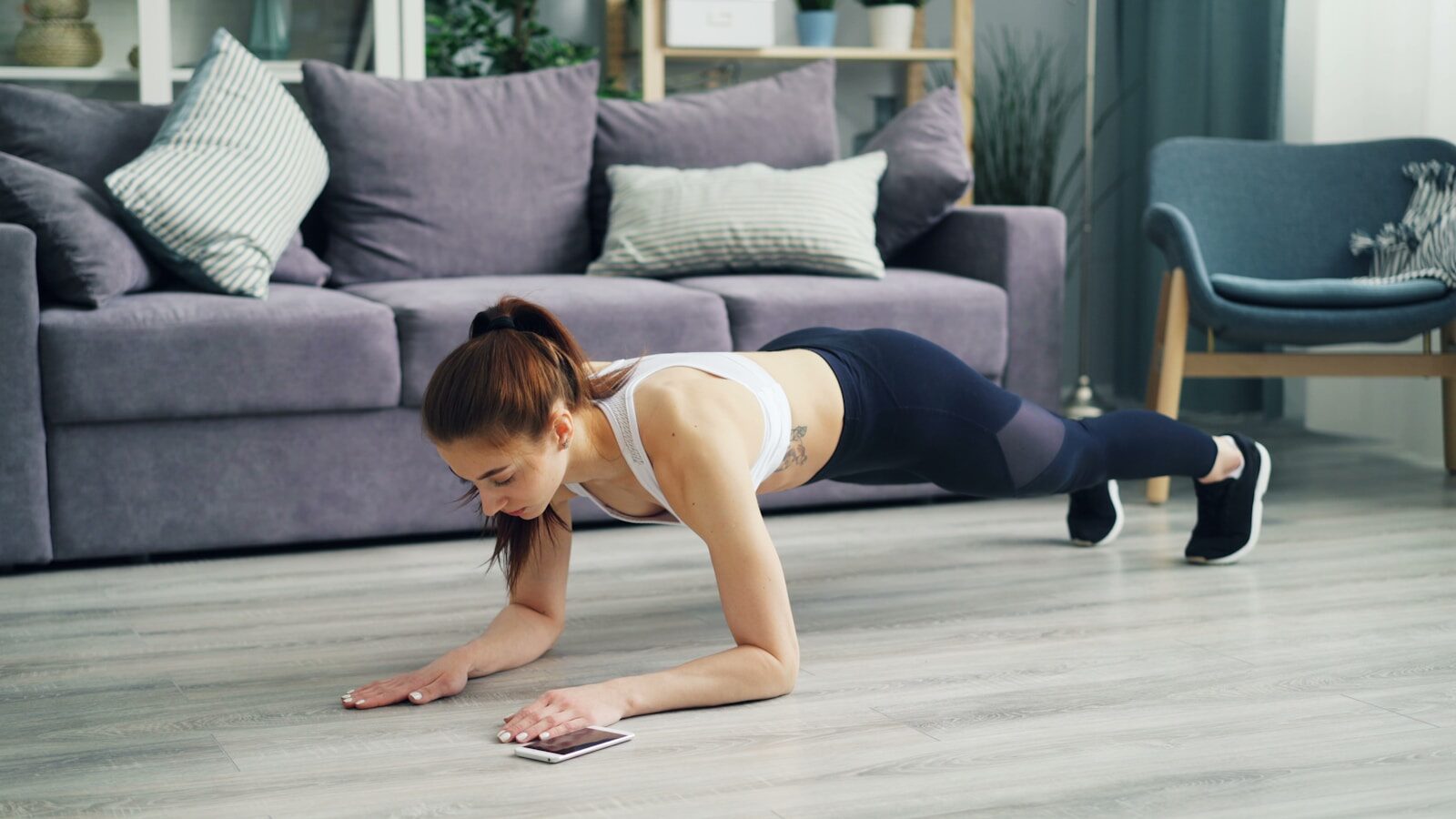
The king of core exercises. Hold a straight line from head to heels. Start with 20-second holds and build up from there. Your abs will feel it.
6. Mountain Climbers#
Start in a plank position and drive your knees in toward your chest, alternating quickly. Cardio, core, and coordination all in one move.
7. High Knees#
Run in place, driving your knees up to hip height. Gets your heart rate up fast, burns calories, and requires zero equipment.
The Perfect 10–20 Minute Daily Fitness Routine for Beginners#
Ready to just start? Here’s a complete, plug-and-play fitness routine for beginners at homee you can do right now. Do 2–3 rounds of this circuit, resting 60 seconds between rounds.
| Exercise | Duration / Reps | Rest | Target |
| Jumping Jacks | 45 sec | 15 sec | Full body |
| Bodyweight Squats | 12–15 reps | 15 sec | Legs |
| Push-Ups (or Knee Push-Ups) | 8–12 reps | 15 sec | Upper body |
| Plank Hold | 20–30 sec | 15 sec | Core |
| Reverse Lunges | 10 reps/side | 15 sec | Legs / glutes |
| Mountain Climbers | 30 sec | 15 sec | Cardio / core |
| Glute Bridge | 12–15 reps | Rest & stretch | Glutes / hips |
Do 2 rounds for a 10-minute workout. Do 3 rounds for a 20-minute session. Rest as needed between exercises — this isn’t a race.
Beginner Modification: If any exercise feels too hard, slow it down, reduce your range of motion, or drop to a lower-impact version. Your version of the workout is the right version.
Should Beginners Do Cardio Every Day in a Fitness Routine for Beginners at Home?#
Not necessarily — and here’s why that matters in a fitness routine for beginners at home.
Pure cardio every single day (running, HIIT, cycling) without recovery is a recipe for burnout and overuse injuries, especially for beginners whose bodies aren’t yet conditioned for that volume. Your joints, tendons, and muscles need time to adapt.
That said, daily movement is absolutely the goal in a fitness routine for beginners at home. There’s a difference between “daily movement” and “daily intense cardio.” Think of it this way:
- Intense cardio days (like mountain climbers, high knees, HIIT): 3–4 days/week max for beginners
- Low-intensity movement (walking, gentle yoga, stretching): every day, including rest days
- Strength / bodyweight circuit days: 3–5 days/week, with at least one full rest day
Variety protects you from burnout. Mix it up and your body — and mind — will thank you.
How Hard Should My Daily Workout Feel? (The Beginner’s Guide to Effort)#
This is one of the most important things a beginner can understand, and most people get it completely wrong. They either go too hard (and burn out) or too easy (and never progress).
Use the Rate of Perceived Exertion (RPE) scale — a simple 1–10 measure of how hard you’re working:
| Effort Level | How It Feels | Can You Talk? | Good For |
| Easy (1–3) | Barely working | Full sentences | Warm-up, recovery |
| Moderate (4–6) | Breathing faster | Short phrases | Beginner main sets |
| Hard (7–8) | Challenging | One word only | Cardio intervals |
| Max (9–10) | All-out effort | Not at all | Avoid as a beginner |
For your main workouts, aim for a 4–6 out of 10. You should feel like you’re working — slightly breathless, muscles engaged — but still in control. As you get fitter over weeks, what used to feel like a 6 will start feeling like a 4. That’s the sign to push a little harder.
Can I Lose Weight With a Daily Fitness Routine at Home?#
Yes — but let’s talk about how that actually works in a fitness routine for beginners at home.
Exercise burns calories. A consistent daily fitness routine combined with mindful eating creates the calorie deficit that drives fat loss. Bodyweight circuits are particularly effective because they keep your heart rate elevated throughout, which burns more calories per session than slow, steady movement.
For weight loss in a fitness routine, focus on:
- Higher-rep, shorter-rest circuits to maximize calorie burn
- Including at least 2–3 cardio-heavy days per week (high knees, mountain climbers, jumping jacks)
- Protein intake to protect muscle mass as you lose fat
- Sleep — underrated and absolutely critical for fat loss and recovery
Realistic expectation: With consistent daily movement and a modest calorie deficit, most beginners can expect to lose 0.5–1 lb per week. That’s 4–8 lbs per month — slow by TV standards, but permanent by real life standards.
Can I Build Strength Without Equipment in a Daily Routine?#
Absolutely — and this surprises a lot of people.
Your muscles respond to tension and progressive overload, not barbells. They don’t know the difference between a 50-lb dumbbell and your own bodyweight pushing against gravity. What they do know is: “this is harder than last time — I need to adapt.”
To build strength in a bodyweight daily routine, apply progressive overload by:
- Increasing reps each week (10 push-ups → 15 push-ups → 20)
- Slowing the movement down (3-second descent on squats)
- Reducing rest between sets
- Progressing to harder variations (regular push-up → diamond push-up → archer push-up)
Three months of consistent progressive bodyweight training will produce visible strength gains. Promise.
What If I Miss a Day? (The Answer That Will Actually Help You in a Fitness Routine for Beginners at Home)#
Here’s the most freeing thing I can tell you: missing one day means absolutely nothing in your fitness routine.
One skipped workout does not undo your progress in your fitness journey. It doesn’t reset your streak in any meaningful physiological way. What matters is what you do next.
Miss a day? Fine. Wake up the next day and continue your fitness routine. Don’t try to make up for it with an extra-long punishing session — that’s how people injure themselves and quit.
The only dangerous pattern is missing multiple consecutive days and letting that become the new normal in your fitness routine. If you’ve missed 3+ days, don’t try to jump back in at full intensity. Do a short, easy 10-minute session just to re-establish the habit. Movement, not perfection, is the goal.
Mindset Shift: “Never miss twice” is a far more powerful rule than “never miss once.” One missed day is a pause. Two missed days is a pattern. Keep it a pause.
10 Proven Ways to Stay Consistent With Your Daily Home Workout Plan#
Motivation is unreliable. Discipline is overrated. What actually keeps people consistent is systems and environment design. Here’s what works:
- Schedule it like a meeting — put it in your calendar with an alarm
- Lay out your workout clothes the night before — reduce friction
- Start embarrassingly small — even a 10-minute daily routine builds momentum
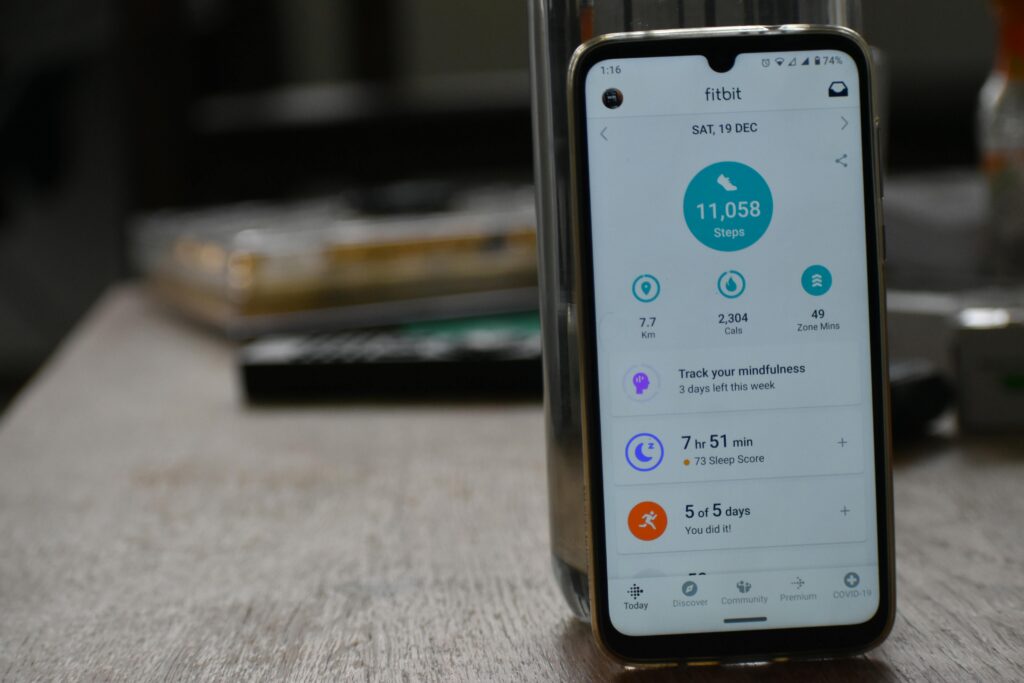
- Track your workouts — a simple note on your phone counts
- Find an accountability partner — a friend, an app, a Reddit community
- Attach it to an existing habit — work out right after morning coffee or before your shower
- Celebrate small wins — acknowledge every single workout, even the “bad” ones
- Vary your routine every 4–6 weeks to prevent boredom
- Follow a creator or community online — shared goals create shared accountability
- Remember your why — write down why you started and read it on hard days
Consistency isn’t about willpower. It’s about removing obstacles and making the right choice the easy choice.
Read: 10-Minute Easy Home Workout Routine for Beginners Without Equipment to Burn Fat Fast and Stay Active
Conclusion#
Here’s the bottom line. A fitness routine for beginners at home doesn’t need to be complicated, expensive, or exhausting. It needs to be consistent, progressive, and sustainable.
Start with 20 minutes. Use the 7-exercise circuit in this guide. Warm up, work, cool down. Do it again tomorrow. And the day after that.
In two weeks, you’ll feel different. In four weeks, you’ll look different. In eight weeks, you’ll be a different person entirely — not because of some dramatic transformation, but because you showed up, day after day, when it was hard and when it was easy.
Disclaimer: Always consult a qualified healthcare provider before beginning a new exercise program, especially if you have any pre-existing health conditions. Content is written for general informational purposes.