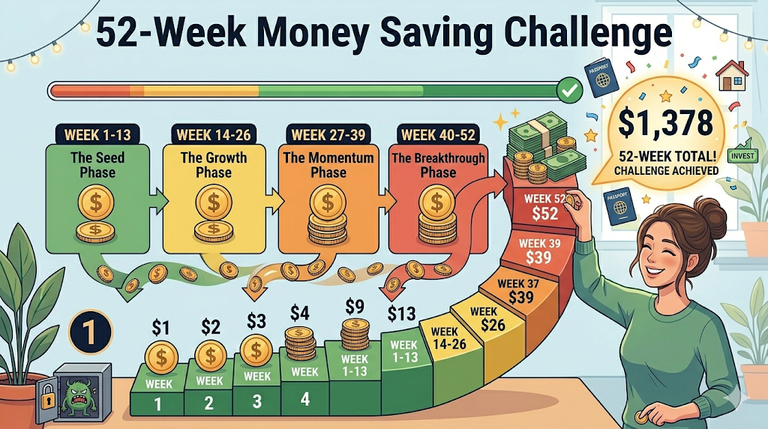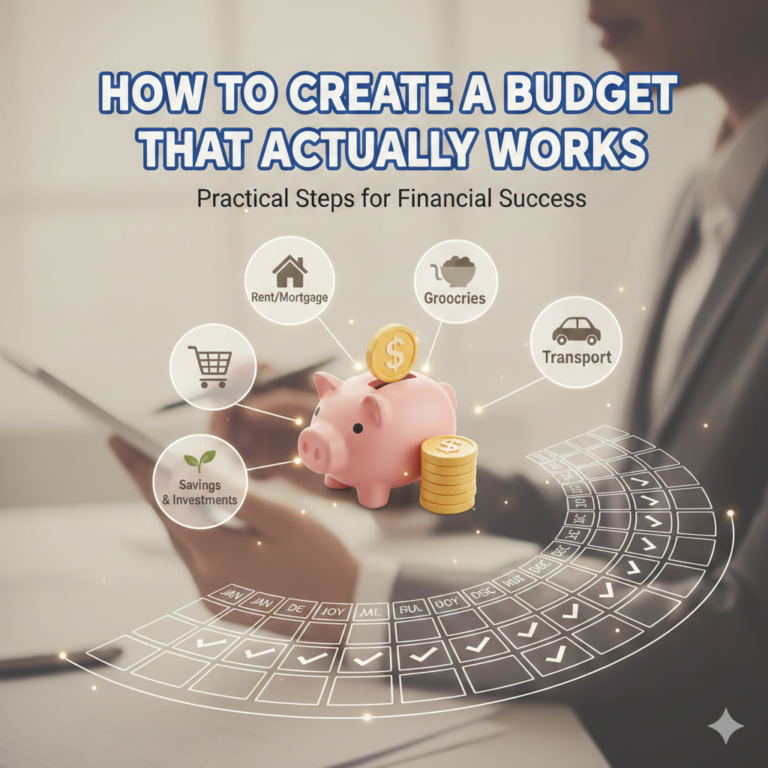

How to manage money when broke? Let’s skip the lecture. You’re broke or close enough to it that Googling this phrase felt necessary. That’s not failure. That’s actually the first smart financial move you’ve made today. Awareness is the thing most people avoid until the overdraft notice arrives at 2 a.m.
The truth? Being broke doesn’t mean you’re bad with money. It might just mean you never got a real roadmap. Well, here’s your roadmap-10 practical, no-fluff steps to get your finances off the floor and moving again.
- 57% of adults can’t cover a $1,000 emergency from savings
- 64% of Americans live paycheck to paycheck at some point
- $500 saved changes the math on a financial crisis dramatically
If those numbers feel personal, you’re in the right place. Let’s get into it.
This guide is for you if:
- you feel like money disappears too fast
- you’re living paycheck to paycheck
- or you’ve tried budgeting before and it didn’t stick
Table of Contents
STEP01-Stop Pretending You Know Where the Money Goes
When you’re wondering how to manage money when broke, the uncomfortable first step is simple: stop pretending you know where it all goes. Before you can fix anything, you need to see everything clearly. Pull up your bank statements from the last 30 days right now, not tomorrow and look, really look, at what happened.
You’re not doing this to feel guilty. You’re doing it because financial recovery starts with honesty, not willpower. Most people who say they “can’t save money” are quietly spending $200–$400/month on things they’d genuinely be shocked by if they tracked them:
- Subscriptions you forgot you had
- Convenience fees that stack silently
- Impulse food delivery orders at 11 p.m.
- Vague charges you haven’t Googled yet
Just look. That’s step one. Everything else builds on this awareness and it’s the foundation for how to manage money when broke effectively.
STEP02-Build a Dead-Simple Budget, Even If You Have Almost No Income
When learning how to manage money when broke, the single most powerful tool you can use is a budget that actually works for your reality. A budget when you’re broke isn’t about flashy percentages or pie charts it’s about knowing your numbers before money shows up, not after it disappears.
Start with the absolute essentials, what I call the “survival four”: rent/housing, utilities, food, transportation. Everything else is secondary until you’re stable. Use the zero-based budgeting method: give every dollar a job before the month starts.
Quick Framework
Zero-based budgeting in plain English: Income minus all planned expenses = $0. Not because you spend everything, but because every dollar is intentionally assigned, including savings even if it’s just $10.
If your income is irregular-gig work, freelance, part-time budget off your lowest expected month. Anything extra becomes a bonus you can direct with purpose. This step is crucial for anyone figuring out how to manage money when broke, because it turns chaos into control.
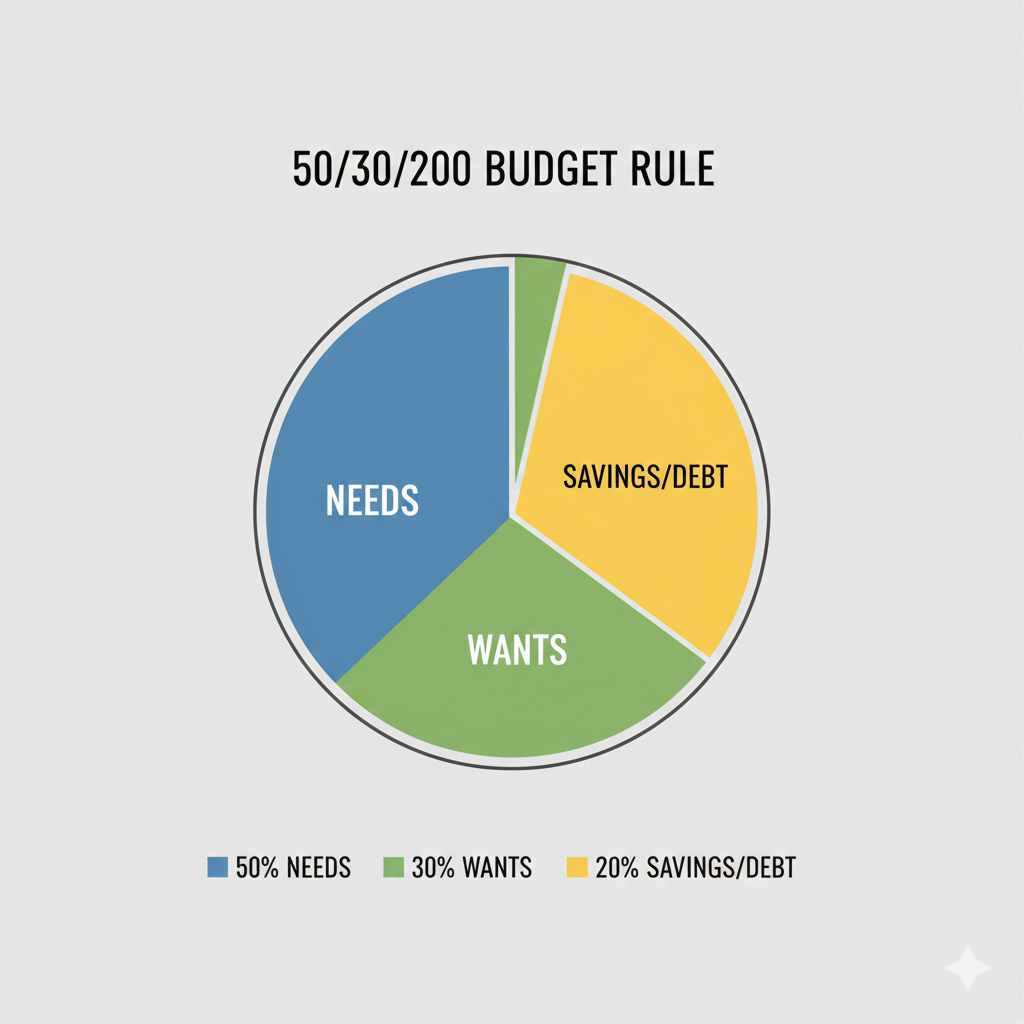
STEP03-Separate Needs from Wants (Ruthlessly, Not Forever)
Here’s the thing nobody tells you: this distinction isn’t permanent. Right now, while you’re broke, you need to temporarily tighten the definition of “need.” That streaming service? Want. That gym membership you rarely use? Want. The car insurance? Need.
A simple mental test: If I don’t pay this, does something immediately break or endanger me? If yes, it’s a need. If not it’s a candidate for the cut list.
This isn’t about living miserably. It’s about buying yourself breathing room-the financial kind so that six months from now you can add some of those wants back without the guilt spiral.
STEP04-Negotiate Your Bills-Yes, You Can Actually Do This
If you’re figuring out how to manage money when broke, one surprisingly powerful step is learning to negotiate your bills. It might feel awkward at first, but once you try it, it feels like a financial superpower. Most people don’t realize that utility companies, internet providers, medical billing offices, and even credit card companies will often negotiate if you ask directly and calmly.
Script That Works
“I’m experiencing financial hardship and I’m trying to stay current with everyone. Is there a hardship plan, reduced rate, or deferred payment option available right now?”
That single sentence has saved people hundreds of dollars. This isn’t begging, it’s being a smart, informed consumer. Companies would rather keep you as a customer on reduced terms than lose you entirely.
Also check whether you qualify for:
- LIHEAP (Low Income Home Energy Assistance Program)
- Local food banks
- Utility disconnection protections in your state
These resources aren’t shameful-they exist for situations just like this. Negotiating your bills is a concrete way to take control and start managing money when broke without waiting for income to magically increase.
STEP05-Use a Free Expense Tracking App — Starting Today
You don’t need to pay to manage your money better. There are genuinely excellent free tools that do the heavy lifting.
| App | Best For | Cost |
|---|---|---|
| PocketGuard | Seeing exactly what’s “safe to spend” | Free / Premium |
| Goodbudget | Envelope-style budgeting for beginners | Free / Plus |
| Empower | Spending overview + net worth tracking | Free |
| EveryDollar | Simple zero-based budgeting | Free version |
| YNAB | Serious habit-builders, full methodology | ~$14.99/mo |
Pick one. Set it up tonight. The best budgeting app is simply the one you’ll actually open.
STEP06-Cut Expenses You Won’t Even Miss
There’s a difference between cuts that hurt and cuts that are just overdue housekeeping. Start with the second category.
- Audit your subscriptions — the average American has 4–5 active subscriptions they forgot about
- Switch to generic brands on grocery staples (cereal, rice, pasta, cleaning supplies) — near-identical quality, 20–40% cheaper
- Meal prep once a week — eliminating just three delivery orders per month can save $60–$90
- Use cashback browser extensions like Honey or Rakuten when you do shop online
- Cancel, then renegotiate services — call your provider to cancel, and you’ll often get a retention offer within minutes
STEP07-Build a Tiny Emergency Fund First-Before Anything Else
While learning how to manage money when broke, one of the most important steps is building a small emergency fund even before tackling other financial goals. It might sound counterintuitive: save when you have nothing? Yes. Even $500 in an emergency fund changes everything. It’s the difference between a bad week and a financial spiral.
Without it, every unexpected expense: car repair, a medical copay, or a busted appliance goes straight onto a credit card or into a loan. With even a small emergency fund, you absorb the blow and move on without derailing your entire budget.
How to Build It Fast
- Set up an automatic $25–$50 transfer to a separate savings account on payday
- Sell items you no longer use (Facebook Marketplace, OfferUp)
- Direct any unexpected windfalls: tax refund, birthday cash, side gig income straight into this fund
- Open a high-yield savings account so your money grows while it sits
Starting small is the key. This first step is foundational for anyone figuring out how to manage money when broke, giving you breathing room to tackle other budgeting and debt strategies without constant stress.
STEP08-Add Income —Even Imperfectly, Even Temporarily
Sometimes the math simply doesn’t work no matter how tightly you budget. When expenses exceed income, the only lasting solution is increasing the income side. Here are some realistic options that don’t require a degree or a trust fund:

| Side Hustle | Startup Time | Potential/Month |
|---|---|---|
| Food/grocery delivery (DoorDash, Instacart) | 1–3 days | $300–$800 |
| Selling unused items online | Same day | $50–$500+ |
| Freelance writing or data entry | 3–7 days | $200–$1,000 |
| Tutoring or teaching skills | 1 week | $100–$600 |
| Pet sitting / dog walking | 3–5 days | $150–$500 |
You don’t need a “passion project.” You need cash flow right now. Pick the fastest one and start this weekend.
STEP09-Use Credit Cards Strategically — Not as a Lifeline
When you’re broke, a credit card feels like a safety net. And sometimes it is but it can also become the trap that keeps you broke for years. High-interest revolving debt is wealth’s worst enemy.
If you have existing credit card debt, attack it with one of these two strategies:
| Method | How It Works | Best For |
|---|---|---|
| Avalanche Method | Pay off highest-interest debt first | Saving the most money mathematically |
| Snowball Method | Pay off smallest balance first | Building momentum and motivation |
Either works. The one you’ll actually stick with is the one you should pick. And going forward? If you use a credit card, pay it in full every single month. Interest is a tax on not planning.
STEP10-Create a 30-Day Money Habit — and Actually Protect It
If you’re serious about how to manage money when broke, the most powerful tool isn’t a fancy app or a perfect debt payoff strategy it’s habit itself. Showing up consistently, even for just 15 minutes a week, is what transforms your finances over time.
Set a recurring “money date” — same day, same time, each week. Use it to:
- Review your spending
- Update your budget
- Check your account balances
No judgment. Just awareness.
Do this consistently for 30 days, and by Day 31, your relationship with money will feel fundamentally different. This isn’t motivational fluff it’s the way habit loops actually work, and it’s the secret that separates people who feel perpetually broke from those who take control, even with limited income.
The Bottom Line
Here’s the thing about managing money when you’re broke: it’s not about finding a secret trick. It’s about doing the unsexy, consistent, boring work of paying attention — week after week until your situation quietly shifts.
You don’t need to fix everything by Friday. You need to do one thing from this list today. Just one. The rest follows.
Start with the spending audit. Build the tiny emergency fund. Set up the free app. Have the uncomfortable phone call with the billing department. Pick a side hustle for the weekend. Each of these is a small win, and small wins compound.
Your financial situation is not permanent. What you do in the next 30 days, though? That might be.
Frequently Asked Questions
What should I do first when I’m completely broke?
If you’re wondering how to manage money when broke, the very first step is a 30-day spending audit. Look closely at exactly where every dollar went last month — the subscriptions, impulse buys, and hidden fees. Then identify your “survival four”: housing, utilities, food, and transportation. Make sure these essentials are fully covered before anything else. Step one is always awareness, because knowing exactly where your money goes is the foundation for every other financial move.
How do I create a budget with no money coming in?
If you’re figuring out how to manage money when broke, start by budgeting from your absolute minimum expected income, even if it’s zero or near-zero. Focus first on survival expenses — housing, utilities, food, and transportation. Use this as your baseline, and assign any income that arrives a specific job immediately, following a zero-based budgeting approach. This ensures every dollar is working intentionally, even when funds are tight.
Why am I always broke after payday?
If you’re asking how to manage money when broke, this is a common challenge. Usually, it comes down to one of three reasons:
Expenses exceed income – a classic income problem
Spending happens before saving – a sequencing problem
No budget directing the money before it arrives – a planning problem
The key is identifying which of these applies to you. Once you know, you can take control and stop living paycheck to paycheck, even when your income is limited.Can I save money when living paycheck to paycheck?
If you’re figuring out how to manage money when broke, the short answer is yes but you need to start extremely small. Even $10 automatically transferred on payday can create the habit and the psychological foundation for financial control.
The amount matters far less than the consistency. Over time, $10 per week becomes $520 a year all without ever feeling it. This simple, consistent habit is often the first step toward financial stability when every dollar counts.Should I use credit cards when broke?
If you’re learning how to manage money when broke, using credit cards is only safe if you can pay the balance in full. Using them to cover everyday living expenses while already struggling usually deepens the financial hole.
If you must use a credit card, restrict it to genuine emergencies only and have a clear repayment plan before you swipe. This approach helps protect your credit and keeps your small emergency fund working for you, rather than adding unnecessary debt.What are the best free ways to track my expenses?
PocketGuard, Goodbudget, and Empower are all excellent free options. Even a simple Google Sheets template works well if you’ll actually use it. The tool matters less than the habit of checking regularly.
How can I negotiate bills during financial hardship?
Call directly, be honest, and ask specifically about hardship programs, deferred payments, or reduced rates. Most utility companies, internet providers, and medical billing offices have options they don’t advertise — you simply have to ask.
What side hustles work best when broke?
The fastest-starting ones: food delivery (DoorDash, Instacart), selling unused items on Facebook Marketplace, and pet sitting via Rover. These can generate income within days and require little to no upfront investment.
How long does it take to recover from being broke?
It depends on the gap between income and expenses — but most people who follow consistent steps see meaningful stabilization within 3–6 months. The first 30 days usually bring the biggest psychological shift, which makes everything else easier.
How do I stop spending money I don’t have?
Use the 24-hour rule on any non-essential purchase. Remove saved payment methods from shopping sites. Give yourself a small “no questions asked” personal allowance so you don’t feel deprived — deprivation-based budgets almost always fail.
Ready to Take Control?
Share this article with someone who needs a real, judgment-free financial reset. Then come back for more practical money advice on our blog — no jargon, no shame, just steps.Read More Money Tips →
© 2026 Fitnessfin Blog | Not financial advice. Always consult a qualified financial professional for your specific situation.