
If you’re serious about how to stop overspending, you make a solid income. You know what a budget is. So why does your bank account still look like a crime scene by the 20th of every month?
Let’s be real for a second. You’ve probably Googled “how to stop overspending” at least once likely at 11 PM, staring at a credit card statement that looks more like a receipt from a small country’s GDP. You’re not alone. According to a 2023 survey by CNBC, nearly 70% of Americans admit they spend more than they plan to in a given month. The problem isn’t that people don’t care about money. The problem is they don’t understand why they keep spending it.
That’s what this piece is really about. Not a generic list of tips you’ve already heard. We’re going deep — into the psychology, the habits, the sneaky modern traps, and yes, the honest truths about why your wallet keeps crying.
This guide on how to stop overspending is for you if:
- You check your bank balance and immediately regret it
- You swear every Monday that this week will be different — and by Thursday you’ve got three packages on the way
- You’re not broke, but you’re not saving either
- You make decent money, yet somehow, it’s always just… gone
- You’ve tried budgeting apps that lasted exactly two weeks
- You’ve said “I deserve this” one too many times to justify a purchase you didn’t need
- Payday feels like a relief — and the day before payday feels like a survival countdown
- You’re tired of feeling guilty every time you open your banking app

Reason No. 01: You Don’t Know Where Your Money Actually Goes
Here’s a wild stat: most people who say they “track their spending” are actually just aware of their big purchases. The $12 app subscription? The $7 coffee run three times a week. The midnight Amazon scroll that ended with a “great deal” on a garlic press? Those add up fast and most people have zero idea.
This is the foundation of the entire problem. You can’t fix what you can’t see. Money tracking isn’t about being cheap: it’s about being conscious. Before you do anything else on this list, spend one week writing down every single dollar you spend. Not in your head. On paper or in an app. You’ll be horrified. And that horror? That’s the beginning of change.
Quick Fix
Apps like YNAB (You Need a Budget), Mint, or even a simple Google Sheet can reveal your real spending patterns within days. Most people find at least $200–$400/month in “invisible” spending in their first week of tracking.
Reason No. 02: You’re Shopping Your Emotions, Not Your Needs
Retail therapy is real, and the retail industry absolutely knows it. Stressed? Buy something. Bored? Scroll and buy. Sad? The dopamine hit of a new package at the door is genuinely soothing, even temporarily. Emotional spending is one of the biggest and least-talked-about reasons people blow their budgets.
The question isn’t “Can I afford this?”, it’s “What am I actually feeling right now, and why am I reaching for my credit card?” This kind of self-awareness is uncomfortable. But it’s the only thing that actually breaks the cycle long-term.
The urge to spend is almost never about the product. It’s about the feeling you think the product will give you: Behavioral economics, in a nutshell
Try the 24-hour rule: if you feel the urge to buy something That is unimportant, wait a full day. A shocking number of those “must-have” moments simply evaporate by morning. And if they don’t? Fine- maybe it’s worth it. But at least it’s a conscious choice.

Reason No. 03: Your Budget Is Too Rigid (Or Doesn’t Exist At All)
Two kinds of people overspend: those with no budget, and those with a budget so aggressive it was never going to work. Both end up in the same place: frustrated, overspent, and swearing they’ll do better next month.
The 50/30/20 rule is a solid starting point that doesn’t feel like financial punishment. Here’s how it breaks down:
| Category | Allocation | What It Covers |
|---|---|---|
| Needs | 50% | Rent, utilities, groceries, transportation, minimum debt payments |
| Wants | 30% | Dining out, entertainment, subscriptions, clothing, hobbies |
| Savings & Debt | 20% | Emergency fund, retirement, extra debt payments, investments |
The beauty of this method is the built-in permission structure. You get 30% for fun. You’re not punishing yourself. That mental shift alone stops the rebellious overspending that happens when budgets feel too restrictive.
Reason No. 04: Credit Cards Feel Like “Future You’s” Problem
There’s genuine neuroscience behind why paying with a credit card hurts less than handing over cash. Physical cash activates the brain’s “pain of paying” response. Tapping a card? Almost nothing. The transaction is abstract, the consequence is delayed, and somehow Future You always seems more capable of handling debt than Present You.
I’m not going to tell you to cut up all your cards: that advice is outdated and impractical. Credit cards, used wisely, are powerful financial tools. But if you’re overspending, here’s what actually helps:
- Set a low credit limit on day-to-day cards and keep a higher-limit card frozen (literally, in a bag of ice in your freezer) for emergencies.
- Treat your credit card like a debit card: only charge what’s already in your checking account.
- Turn on real-time spending alerts so every transaction sends a notification. The pseudo-pain of seeing that number drop brings a little more reality back into the equation.
Reason No. 05: You’re Getting Psychologically Played by Retailers
Sales, “limited time offers,” the magical phrase “only 2 left in stock” these aren’t organic business communications. They’re engineered psychological triggers, designed by very smart people whose entire job is to make you spend money you weren’t planning to spend.
Think about how you shop during holidays. The urgency, the FOMO, the sense that if you don’t buy right now, you’re losing something. That’s not real. That’s marketing doing its job flawlessly. Knowing this doesn’t make you immune: but it does create a tiny pause between impulse and action, and that pause is everything.
Real Talk
The average American spends $1,500–$2,500 more during holiday shopping season than they intend to. Set a hard dollar cap before you shop any sale — not after you’ve already browsed for an hour.
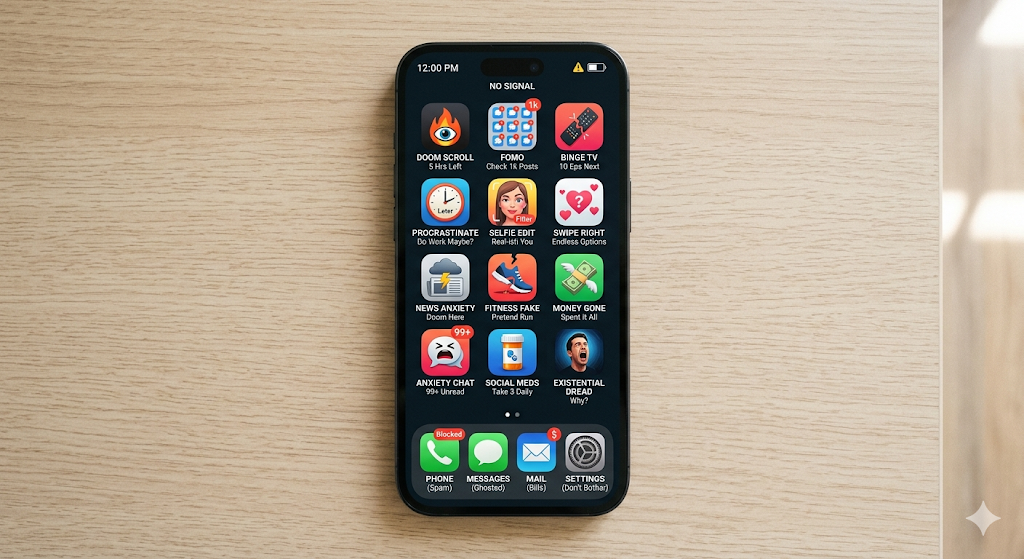
Reason No. 06: You’re Hemorrhaging Money on Subscriptions You Forgot You Had
Streaming services. Cloud storage. Meditation apps you opened twice. A gym membership from 2022. That premium LinkedIn you signed up for during a job search. The average American household pays for more subscriptions than they can even name.
This is death by a thousand $9.99s. It doesn’t feel like overspending because each individual charge is so small. But add them up and you might find $150–$300 disappearing silently every single month.
The fix: go through your last three months of bank and credit card statements and highlight every recurring charge. Cancel anything you haven’t used in 30 days. Use a service like Rocket Money to catch subscriptions you’ve genuinely forgotten.
Reason No. 07: Grocery Shopping Without a Plan Is a Budget Massacre
You tell yourself you’ll “just grab a few things.” Forty-five minutes later you’re at checkout with $180 worth of food, somehow including three types of specialty cheese and a candle. Grocery overspending is universal, surprisingly emotional, and completely preventable.
Two rules that genuinely work:
- Never shop hungry. Sounds cliché. Still true. Hunger turns a grocery run into a sensory experience where everything looks like a good idea.
- Write the list before you leave. Not a mental list. A written list, with a rough budget attached. Stick to it like it’s a contract.
Meal planning even loosely can reduce your grocery bill by 25–30%. You buy what you need, waste less, and stop making four small trips a week that always somehow cost $40 each.
Reason No. 08: You’re Using Amazon Like It’s a Hobby
Amazon’s one-click purchasing, next-day delivery, and relentless “Customers also bought…” algorithm are not accidents. They are frictionless-spending machines. The easier it is to buy, the more you buy. It’s that simple.
Try these friction-adding tactics:
- Delete saved credit cards from Amazon so you have to manually enter them each time.
- Use the wishlist as a 48-hour waiting room for impulse items. Most of them never make it to checkout.
- Unsubscribe from Amazon’s promotional emails. Out of sight, significantly less in your cart.
Reason No. 09: Overspending Is Sometimes a Mental Health Signal
This is the one nobody wants to talk about. But it’s worth saying clearly: compulsive overspending can be a symptom of anxiety, depression, ADHD, and bipolar disorder. If you’ve tried every budgeting tip in existence and still can’t stop spending, the problem might not be a spreadsheet problem. Heads Up
Shopping addiction: officially called compulsive buying disorder affects an estimated 5–8% of Americans. It’s real, it’s diagnosable, and it’s treatable. If spending feels genuinely out of control or creates significant distress, speaking to a therapist who specializes in financial behavior is a legitimate and worthwhile step not a sign of weakness.
Reason No. 10: You Haven’t Had the Hard Money Conversation with Your Partner
If you share finances with a partner, overspending isn’t just personal — it’s relational. And yet money is still the number one thing couples avoid talking about directly. Different spending styles, different financial upbringings, different definitions of “necessary” — these gaps will silently wreck a budget and a relationship simultaneously. Understanding how to stop overspending together can prevent conflict, build shared goals, and keep both your finances and your relationship on track.
According to Fidelity’s 2024 couples & Money Study, more than 1 in 4 couples say that money is their greatest relationship challenge Fidelity — and that’s among people who are otherwise happy together. Imagine what it’s doing to couples who aren’t communicating well.
Set a monthly “money date.” Not a fight. A calm, planned conversation where you look at the numbers together without blame, set shared goals, and check in on how you’re both doing. Fidelity’s guide on financial communication for couples is a genuinely solid resource to help you structure these conversations especially if you’re not sure where to even start.
Give each other a personal spending allowance: a no-questions-asked amount that each person can spend however they want. It’s budget-within-a-budget logic, and it works surprisingly well.

The Best Apps to Help You Stop Overspending in 2024
| App | Best For | Cost | Standout Feature |
|---|---|---|---|
| YNAB | Serious budget overhaul | $14.99/mo | Zero-based budgeting system |
| Mint | Beginners & overview | Free | Auto-categorizes all spending |
| Rocket Money | Subscription tracking | Free / $6–12/mo | Cancels subscriptions for you |
| PocketGuard | Daily spend awareness | Free / $7.99/mo | “In My Pocket” available-to-spend display |
| Goodbudget | Couples & envelope budgeting | Free / $8/mo | Shared budget across devices |
The Bottom-Line Stopping Overspending Is a Practice, not a Switch
Here’s the thing about financial discipline: it’s not a personality trait you either have or don’t. It’s a skill. And like any skill, it gets better with practice, better tools, and most importantly: honest self-awareness about your specific patterns and weaknesses.
You don’t need to be perfect. You need to be progressively better. Track your spending this week. Pick one habit to change this month. Have one honest money conversation with yourself, or with your partner. These aren’t massive steps. But they compound. And six months from now, you’ll look back at that late-night bank statement moment and recognize it as the turning point.
FAQ On Overspending Questions, Answered Honestly
Why do I keep overspending even when I know I shouldn’t?
Knowing and doing are two very different things — especially with money. If you’re trying to figure out how to stop overspending, you need to understand that it’s rarely about logic alone. Overspending is often driven by emotion, habit, and environment rather than reason. Understanding your specific spending triggers (stress, boredom, social pressure) is the first step toward breaking the cycle. Knowledge alone isn’t enough; real change requires deliberate friction and new patterns.
What are the most common causes of overspending?
The big ones: emotional spending, no clear budget, easy credit access, targeted advertising, peer/social pressure, lack of financial tracking, and lifestyle inflation. If you’re serious about learning how to stop overspending, you need to recognize that it’s often a combination of several of these at once. Most overspending isn’t reckless — it’s simply unconsidered.
What is a no-spend challenge and does it actually work?
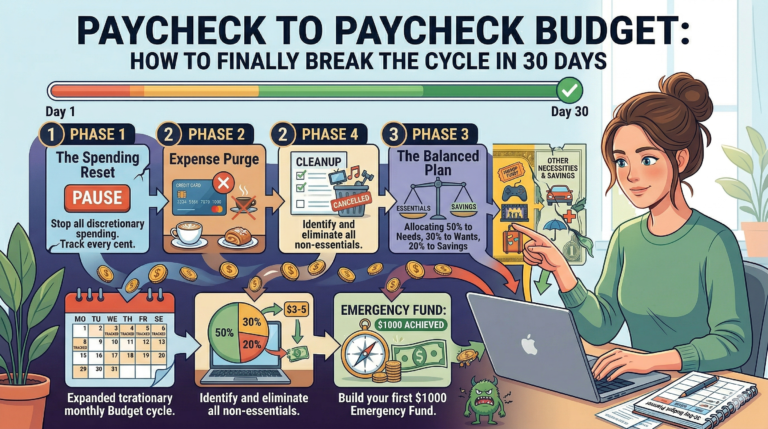
A no-spend challenge means committing to zero discretionary spending for a set period — typically 7, 14, or 30 days. If you’re trying to figure out how to stop overspending, this approach can be one of the most effective reset strategies. You cover essentials only: rent, groceries, utilities. It works remarkably well as a reset mechanism, breaking spending habits and often saving $300–$700+ in a single month. It also forces creativity — you rediscover what you already own and regain control over your impulses.
Does using cash really help reduce overspending?
Yes — and there’s science behind it. The physical act of handing over cash activates a “pain of paying” response in the brain that card transactions largely bypass. If you’re wondering how to stop overspending, especially in categories like dining, entertainment, or groceries, try the cash envelope method: take out a set amount at the start of the week and stop spending when it’s gone. This tactile approach makes your limits real and builds awareness quickly.
How long does it take to break the habit of overspending?
There’s no magic number, but research on habit formation suggests 60–90 days of consistent new behavior is typically needed to build durable financial habits. Short-term challenges (like a no-spend month) can jump-start the process and teach you how to stop overspending, but lasting change requires sustained effort and the right systems in place.
How do I stop overspending when I have a low income?
Tight budgets demand even more intentionality, not less. Prioritize absolute needs first, then use zero-based budgeting to assign every dollar a job. Reduce cognitive load by automating savings (even $10/month builds the habit). Look for “spending leaks” — subscriptions, unused memberships, frequent small purchases and use these insights to learn how to stop overspending effectively.
What are the long-term consequences of chronic overspending?
Beyond the obvious (debt, depleted savings), chronic overspending leads to financial anxiety, strained relationships, deferred retirement, and reduced financial resilience. When an unexpected expense hits — job loss, medical bill, car repair — people with no buffer experience it as a genuine crisis rather than a manageable inconvenience. Learning how to stop overspending today is a key step toward building freedom and security for tomorrow.
Can overspending be a sign of a mental health issue?
Absolutely. Compulsive buying disorder, ADHD impulsivity, anxiety-driven retail therapy, and manic spending episodes (associated with bipolar disorder) are all recognized clinical patterns. If overspending feels genuinely uncontrollable or causes significant distress, a conversation with a mental health professional is a worthy and valid step — and part of understanding how to stop overspending in a healthy, sustainable way.