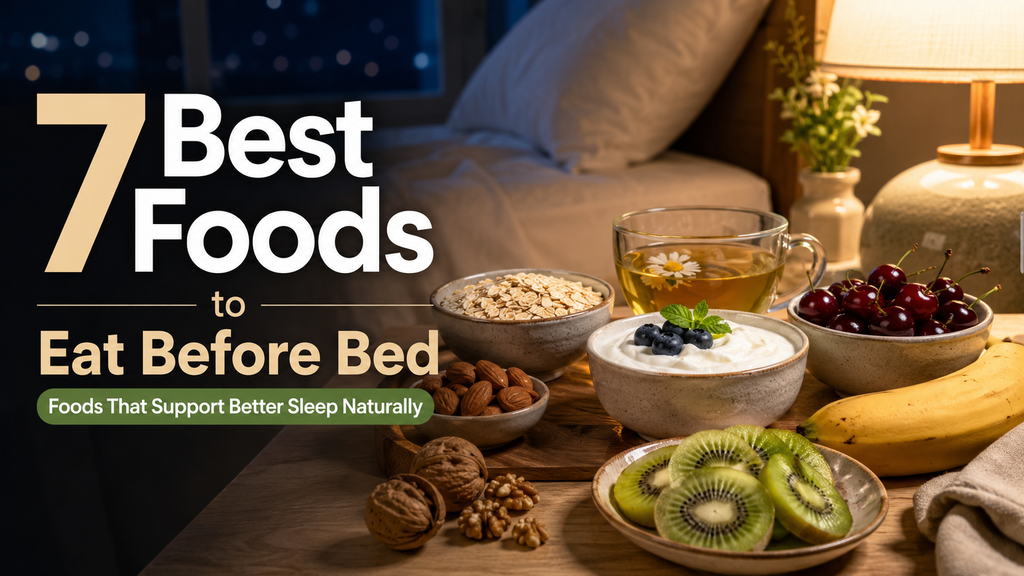
7 Best Foods to Eat Before Bed for Good Sleep
It’s 1:47 a.m. You’ve replayed tomorrow’s to-do list four times, fluffed your pillow twice, and you’re still staring at the ceiling. If that sounds familiar, you’re far from alone — CDC data suggests roughly a third of American adults aren’t getting the sleep they need, and recent surveys show most people who are sleep-deprived already know it and want to fix it.
There’s no single food that works like a sedative. But what you eat in the hour or two before bed can genuinely tilt the odds in your favor — or work against you. Below are the 7 best foods to eat before bed for good sleep, each backed by published research, with the exact portions and timing so you’re not left guessing what “a little” or “before bed” actually means.
Why What You Eat Before Bed Matters
A handful of nutrients show up again and again in sleep research, and it helps to know what they actually do:
- Tryptophan is an amino acid your body converts into serotonin, and eventually melatonin — the hormone that helps regulate your sleep-wake cycle.
- Magnesium plays a role in relaxing muscles and calming an overactive nervous system, which is part of why it’s recommended so often.
- Melatonin itself shows up naturally in a small number of foods, giving your body a tiny external nudge alongside what it produces on its own.
- Steady blood sugar matters too — foods that digest slowly and don’t spike your glucose are less likely to cause the kind of energy swing that wakes you up at 3 a.m.
None of this means food can replace good sleep hygiene. But it’s a lever that’s easy to pull and backed by more evidence than most people realize.
Read Also: How to Fall Asleep Fast: 13 Proven Tips That Actually Work
The 7 Best Foods to Eat Before Bed for Good Sleep
Here’s the quick-reference version, followed by the detail on each one.
| Food | Key Sleep Nutrients | Typical Serving | Best Time to Eat |
|---|---|---|---|
| Tart cherry juice | Melatonin, antioxidants | 2 oz concentrate + water | ~1 hour before bed |
| Kiwi | Serotonin/melatonin precursors | 2 green kiwis | ~1 hour before bed |
| Almonds | Magnesium, melatonin, healthy fat | 1 oz (small handful) | ~1 hour before bed |
| Chamomile tea | Apigenin | 1 cup, steeped 5–10 min | 30–60 min before bed |
| Bananas | Tryptophan, potassium, magnesium | 1 medium banana | 30–60 min before bed |
| Oatmeal | Melatonin, complex carbs, fiber | ½ cup cooked | 1–4 hours before bed |
| Warm milk | Tryptophan, calcium | 1 cup, warmed | 30–60 min before bed |
1. Tart Cherry Juice
Tart cherry juice is one of the few foods that naturally contains measurable melatonin. A small but frequently cited 2012 trial published in the European Journal of Nutrition gave 20 healthy adults about an ounce of Montmorency tart cherry juice concentrate before their evening meal for seven days. Melatonin levels, total sleep time, and sleep efficiency all rose compared with a placebo. A separate small trial using a twice-daily routine — a glass in the morning, another one to two hours before bed, for two weeks — reported an additional 84 minutes of sleep on average.
How to use it: skip the sugary cherry juice cocktails and look for unsweetened tart cherry juice or a 2-ounce concentrate, mixed with water, about an hour before bedtime.
2. Kiwi
If you only remember one food from this list, make it kiwi — it’s one of the most heavily studied fruits specifically for sleep. A 2023 Massey University study found that adults eating two green kiwifruit daily reported better sleep quality and mood, alongside higher serotonin and melatonin byproducts.
A more recent trial pushed the idea further: 15 elite athletes ate two kiwis an hour before bed, every night, for four weeks. By the end, they spent 47% less time lying awake, woke up 27% fewer times, slept roughly an hour longer in total, and their sleep efficiency climbed from 86% to 93%.
How to use it: two ripe green kiwis, about an hour before you turn off the lights.
3. Almonds
Almonds bring three sleep-relevant nutrients to the table at once: magnesium, a small amount of melatonin, and healthy fats that keep you satisfied without weighing you down. A 2024 Florida State study found that swapping high-sugar snacks for almonds over 12 weeks improved objective sleep efficiency and continuity, tracked with wrist actigraphy. At the same time, a more recent review was careful to note that current evidence still isn’t strong enough to definitively conclude almonds improve sleep — a fair caveat worth keeping in mind rather than overselling the snack.
How to use it: a small handful, about an ounce. More doesn’t add extra benefit, just extra calories.
4. Chamomile Tea
Chamomile’s reputation as a bedtime tea isn’t just folklore — it contains apigenin, an antioxidant compound that binds to receptors in the brain associated with calm and drowsiness. A 2024 meta-analysis pooling 10 studies and 772 participants found chamomile reduced how often people woke during the night, though it didn’t meaningfully extend total sleep duration or efficiency. A separate analysis of 12 randomized controlled trials reported improvements in how rested people felt, with minimal side effects.
How to use it: one cup, steeped 5–10 minutes, about 30–60 minutes before bed.
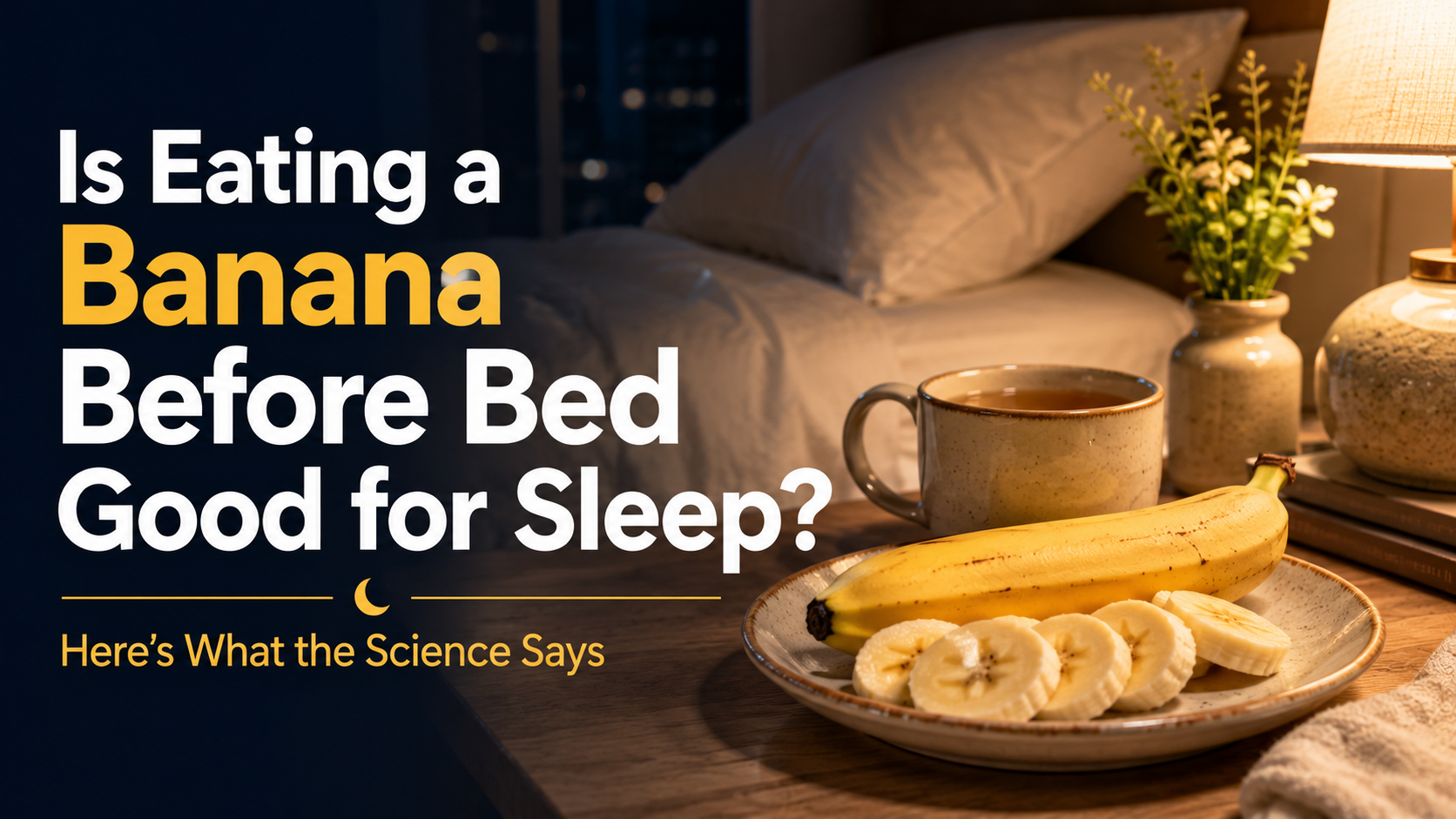
5. Bananas
A banana is an easy, zero-prep way to get tryptophan, potassium, and magnesium into your evening. A 2019 study in the Asia Pacific Journal of Clinical Nutrition linked eating a banana before bedtime to improved sleep quality, and another study found that eating two bananas measurably raised blood melatonin levels. Pairing it with a few spoonfuls of plain Greek yogurt adds protein and calcium without turning it into a heavy meal.
How to use it: one medium banana, alone or with Greek yogurt, 30–60 minutes before bed.
6. Oatmeal
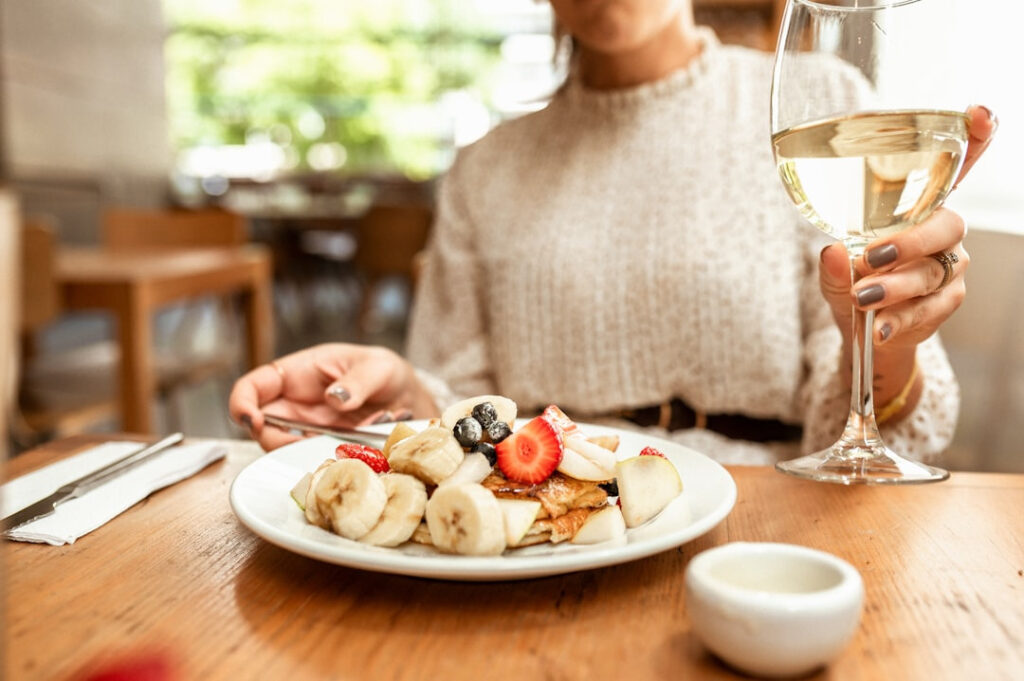
Oats are one of the richest plant-based sources of melatonin you can eat, and their complex carbohydrates digest slowly enough that they won’t spike your blood sugar right before you lie down. Many sleep-focused dietitians suggest eating oatmeal three to four hours before bed rather than right at bedtime, simply so digestion has time to settle.
How to use it: a small bowl, roughly half a cup cooked, plain or with a few banana slices, one to four hours before bed depending on how your stomach handles eating close to bedtime.
7. Warm Milk
Warm milk before bed is the oldest trick in the book, and it’s stuck around for a reason. Milk contains tryptophan and calcium, and organizations like the Cleveland Clinic still list it among the more reliable bedtime drinks — partly for the nutrients, and partly for the calming ritual of having something warm before bed.
How to use it: one cup, warmed (not boiling), 30–60 minutes before bed. Fortified plant milk works as a dairy-free swap, though tryptophan content will vary by brand.
Read Also: 8 Best Bedtime Snacks for Good Sleep (Science-Backed & Dietitian-Approved)
What Are the Worst Foods to Eat Before Bed?
The flip side matters just as much. A few categories are reliably linked to worse, more fragmented sleep:
- High-fat, fried, or heavy foods — burgers, pizza, fried chicken — take longer to digest and are more likely to cause reflux or discomfort while you’re lying flat.
- Caffeine, including the hidden kind in dark chocolate, has a half-life of roughly 5–7 hours, so an afternoon coffee can still be circulating at midnight.
- Alcohol might make you drowsy at first, but it fragments REM sleep later in the night and tends to cause more awakenings, not fewer.
- Ultra-processed foods in general: a 2024 study in the Journal of the Academy of Nutrition and Dietetics found that for every 10% increase in ultra-processed food intake, insomnia risk rose by about 9% in men and 6% in women.
- Spicy or highly acidic foods can trigger heartburn when you’re horizontal — a reliable way to end up wide awake at 2 a.m.
You May Also Like: Sleepmaxxing Tips and Tricks That Actually Work: 10 Hacks to Try (and 5 to Skip)
What’s the Best Time to Eat Before Bed for Sleep?
Timing matters almost as much as the food itself:
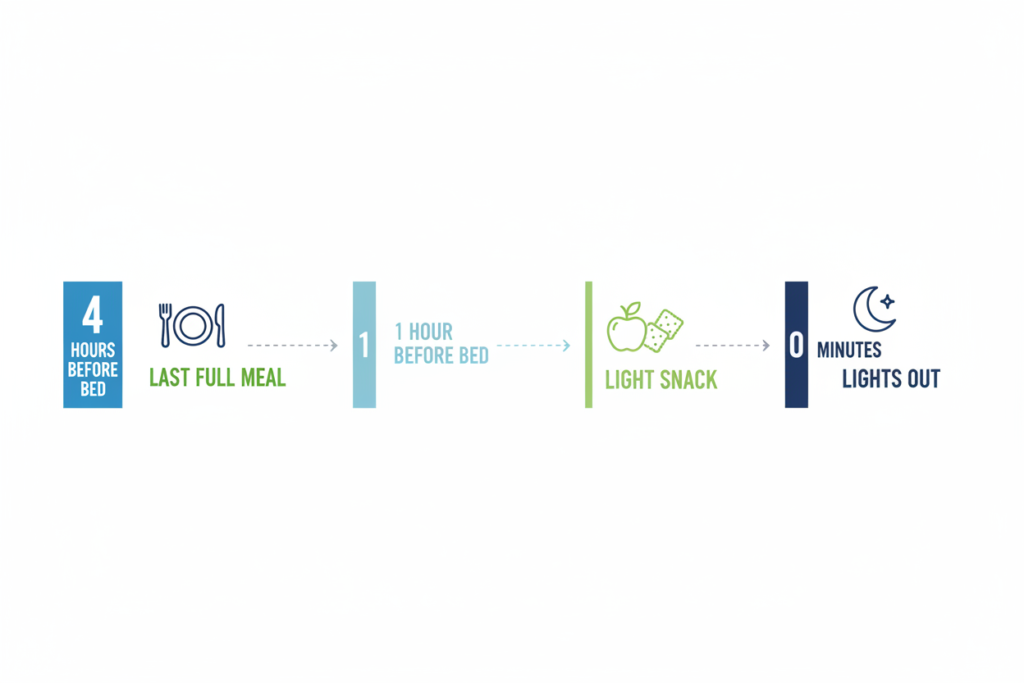
- Eat your last full meal 3–4 hours before bedtime, giving your digestive system time to do most of its work before you lie down.
- If you’re genuinely hungry later, have a light snack — one of the seven foods above — about an hour before bed.
- Stop eating and drinking entirely in the final hour before lights-out, so your body isn’t actively digesting while it’s trying to wind down.
If you’re managing a condition like GERD or diabetes, where eating timing has real medical implications, check with your doctor or a registered dietitian rather than following generic advice.
The Bottom Line
None of these foods replace the fundamentals — a consistent bedtime, a dark and cool room, and limiting screens before sleep will always matter more than any single snack. But if you’re already doing those things and still looking for an edge, the 7 best foods to eat before bed for good sleep are a reasonable, low-risk place to start. Pick one, keep the portion small, and give it about an hour to settle before you turn off the lights.
Read Also: Is Kiwi Good Before Bed? 7 Surprising Benefits for Deep Sleep
Frequently Asked Questions
What are the 7 best foods to eat before bed for good sleep?
Tart cherry juice, kiwi, almonds, chamomile tea, bananas, oatmeal, and warm milk are widely considered the best foods to eat before bed for good sleep. Each contains melatonin, tryptophan, magnesium, or calming compounds like apigenin, and most work best in small portions about an hour before bedtime.
What should I eat one hour before bed for good sleep?
A light option works best: 2 ounces of tart cherry juice concentrate mixed with water, two kiwis, a small handful of almonds, a cup of chamomile tea, or a banana with a little Greek yogurt. Avoid heavy, fatty, or sugary snacks this close to bedtime.
Is it actually bad to eat right before bed?
Not necessarily — it depends on what and how much. A heavy, fatty meal right before lying down can disrupt sleep through indigestion or reflux, but a small, sleep-friendly snack an hour before bed is generally fine for most healthy adults.
How many kiwis should I eat before bed?
Two green kiwifruit, eaten about an hour before bedtime, is the amount used in most of the research linking kiwi to better sleep, including improvements in time spent awake at night and overall sleep efficiency.
How many almonds should I eat before bed?
A small handful — roughly one ounce — is the typical recommendation. More than that adds calories without adding extra sleep benefit.
Does chamomile tea actually help you fall asleep?
The evidence suggests it can reduce how often you wake during the night and improve how rested you feel, though it doesn’t appear to significantly extend total sleep time. It’s a low-risk addition to a wind-down routine either way.
How many hours before bed should I stop drinking caffeine?
Most sleep specialists suggest cutting off caffeine at least 6 hours before bedtime, since its effects can linger for 5–7 hours. If you’re especially caffeine-sensitive, an earlier cutoff — like early afternoon — may serve you better.