Sleepmaxxing Tips and Tricks That Actually Work: 10 Hacks to Try (and 5 to Skip)
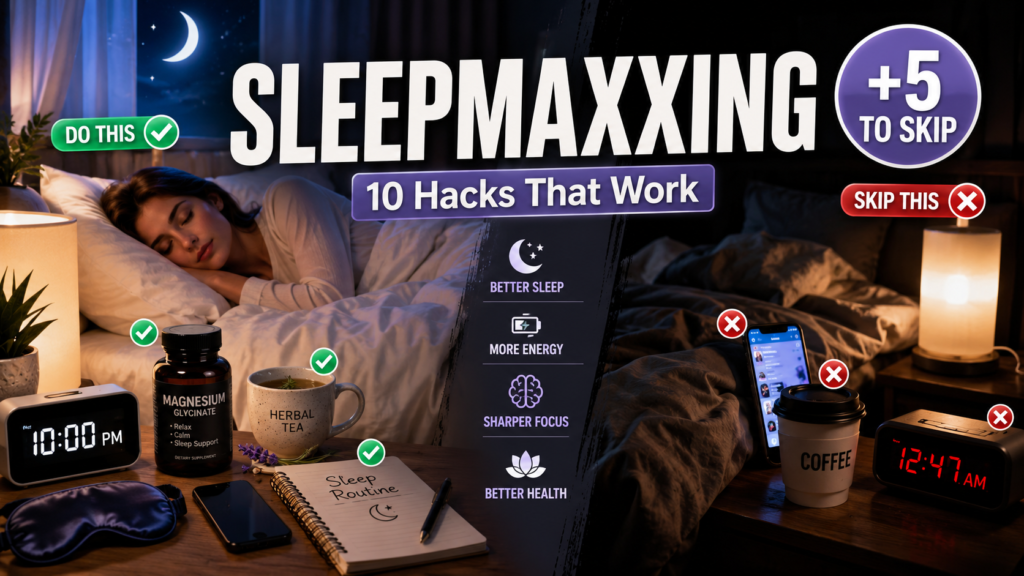
Sleepmaxxing tips and tricks are flooding your social feeds right now.
You’ve probably seen it. The TikTok feeds packed with people taping their mouths shut, swallowing handfuls of supplements, and obsessing over their Oura Ring sleep scores at 6 AM.
That’s sleepmaxxing.
And here’s the thing — buried inside all the noise is some genuinely useful advice. The problem is figuring out which habits are actually grounded in science and which ones are just going viral because they look dramatic on camera.
That’s exactly what this guide is here for. We’re going to walk through the sleepmaxxing tips that have real evidence behind them, call out the ones you should skip or approach with serious caution, and give you a simple, beginner-friendly plan you can start tonight — no expensive gadgets required.
What Is Sleepmaxxing, Really?#
Sleepmaxxing is the practice of optimizing every variable of your sleep — your schedule, your environment, your pre-bed routine, and even your breathing — to squeeze the maximum quality out of every hour you spend unconscious.
The term exploded alongside the rise of consumer sleep trackers like the Oura Ring, WHOOP, and the Apple Watch. Suddenly, people had data. Sleep scores. REM percentages. Deep sleep graphs. And once you can measure something, you want to optimize it.
That’s not inherently bad. Better sleep genuinely transforms everything — energy, mood, metabolism, immune function, even how sharp your thinking is the next day. The American Academy of Sleep Medicine consistently links chronic poor sleep to increased risk of cardiovascular disease, obesity, and cognitive decline.
But here’s the honest problem with the sleepmaxxing trend as it exists online: it mixes legitimately helpful, research-backed habits with unproven, overhyped, or outright risky hacks. And most people scrolling at midnight can’t tell the difference.
The 10 Sleepmaxxing Tips and Tricks That Actually Deliver Results#
1. Nail Your Sleep Window — Consistency Beats Duration#
Most people focus on how many hours they sleep. But when you sleep matters just as much.
Your circadian rhythm — the internal 24-hour clock that regulates almost every function in your body — runs on consistency. Going to bed and waking up at the same time every day, including weekends, is one of the single most impactful things you can do for sleep quality. According to the American Academy of Sleep Medicine, irregular sleep timing is independently linked to worse mood, daytime fatigue, and metabolic disruption. A comprehensive review on the impact of routine sleep schedules published in the National Library of Medicine confirms that consistency is heavily tied to positive long-term health outcomes.
The fix: Pick a wake time first. Everything else builds backward from there. Even if you can’t fall asleep at your target bedtime right away, getting up at the same time anchors your rhythm faster than anything else.
2. Build a Slow Evening Routine — The 90-Minute Wind-Down#
Sleep doesn’t happen the moment your head hits the pillow. Your body needs a runway.
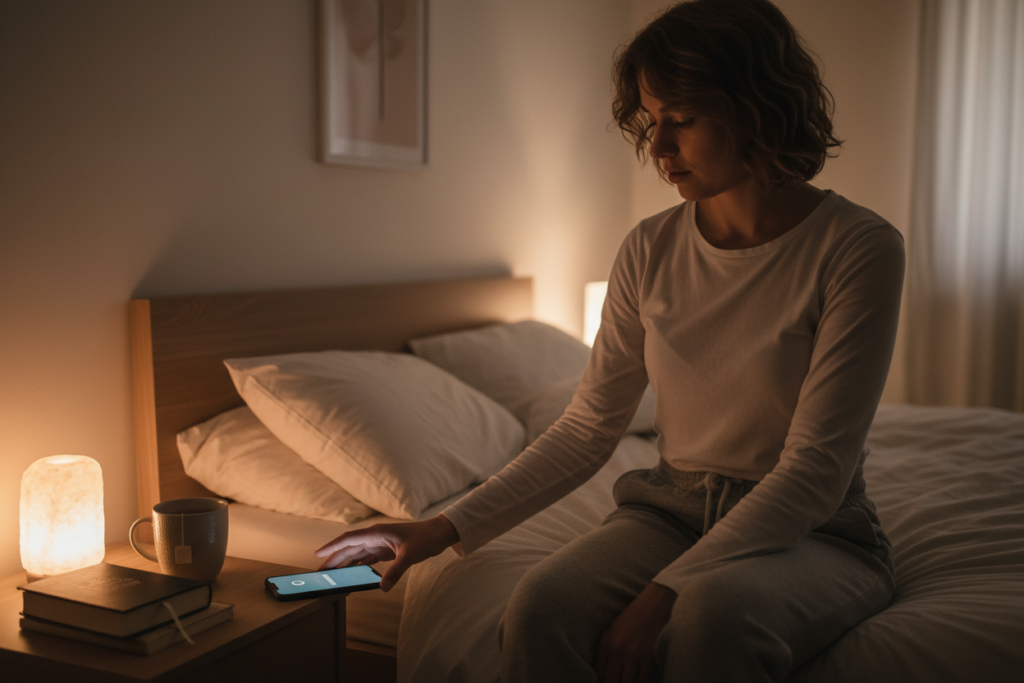
Here’s what’s happening biologically: cortisol, your alertness hormone, needs time to drop before melatonin can rise and signal that it’s time for sleep. As outlined in the Mayo Clinic Healthy Sleep Guide, bright lights, screens, stress, and stimulating content all suppress that natural melatonin curve — pushing your body’s sleep signal later and later.
A slow evening routine counters this. It doesn’t need to be elaborate. The goal is simply to reduce stimulation and give your nervous system permission to shift gears.
A simple stack that works:
- 90 minutes before bed: Dim the lights in your home
- 60 minutes before bed: Take a warm shower or bath (more on why in a moment)
- 30 minutes before bed: No screens. Read, stretch lightly, or do breathwork
- Lights out: Keep it consistent, dark, and cool
The warm bath trick is genuinely interesting science. Submerging in warm water raises your skin temperature, and when you step out, your core body temperature drops rapidly. That drop mimics the natural temperature decline your body uses to initiate sleep onset. A landmark meta-analysis published in Sleep Medicine Reviews found that a warm bath 1–2 hours before bed reduced time to fall asleep by an average of 10 minutes.
3. Optimize Your Bedroom Temperature — The 65–68°F Sweet Spot#
Your body naturally lowers its core temperature during sleep. If your room is too warm, it fights that process — and your sleep quality suffers.
The sweet spot, according to sleep researchers, is somewhere between 65 and 68°F (18–20°C). This is cooler than most people keep their bedrooms.
You don’t need a $400 cooling mattress pad to get there. A basic fan, cracking a window, or sleeping with lighter bedding can do the job. Start there before spending money.
4. Cut Caffeine Earlier Than You Think#
Caffeine works by blocking adenosine receptors — adenosine is the molecule that builds up in your brain during the day and creates sleep pressure. Block those receptors and you delay feeling tired. The problem is caffeine’s half-life is roughly 5–7 hours. That means if you drink a coffee at 3 PM, half of that caffeine is still circulating in your system at 9 PM.
The Sleep Foundation recommends cutting caffeine at least 6 hours before your target bedtime. For most people sleeping around 10–11 PM, that means your last cup should be somewhere around 1–2 PM.
Yes, that afternoon latte is probably disrupting your sleep more than anything else on this list.
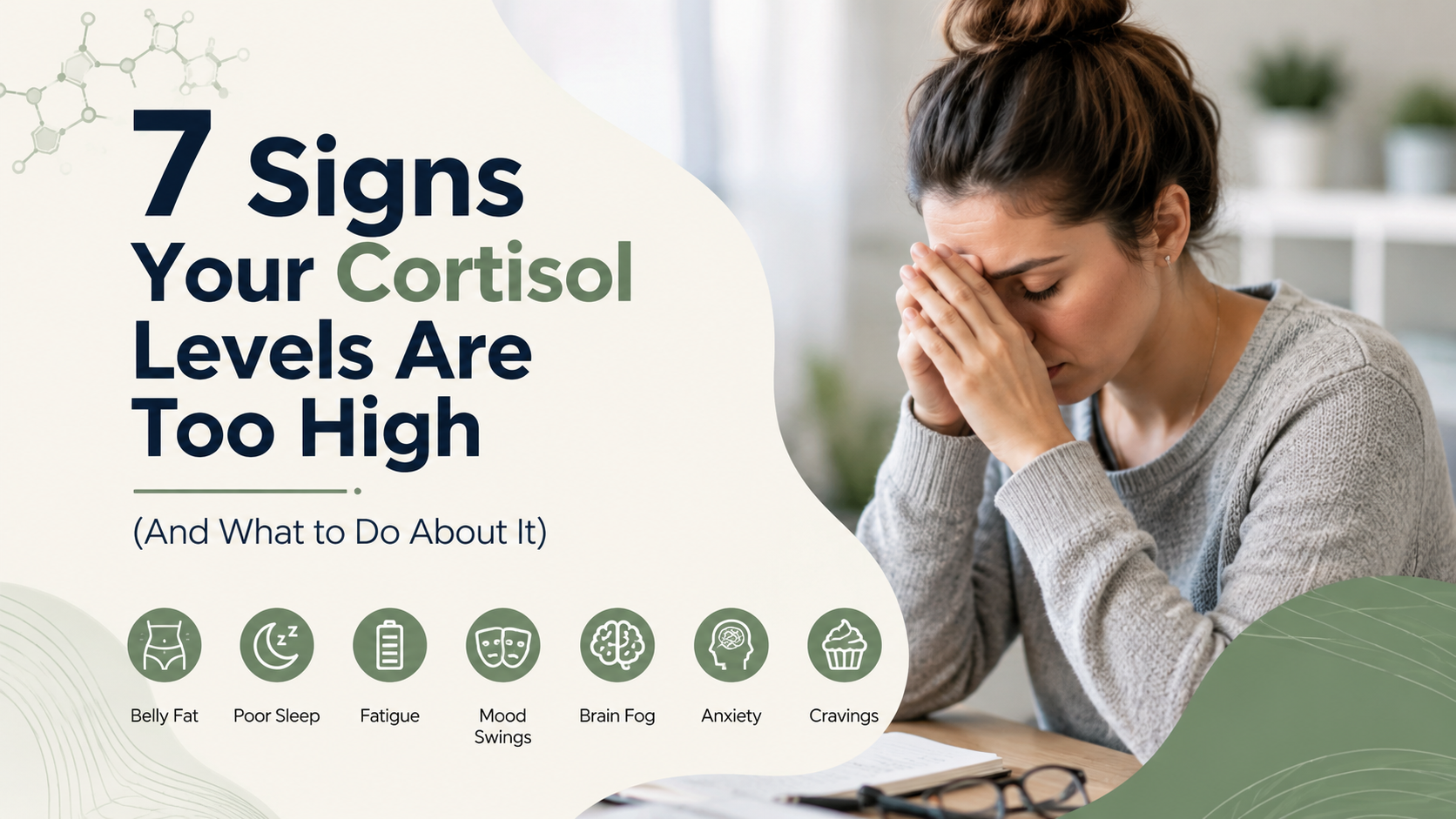
Read Also: 7 Signs Your Cortisol Levels Are Too High (And What to Do About It)
5. Try Magnesium Glycinate Before Bed#
If there is one supplement with a reasonable amount of evidence behind it for sleep, it’s magnesium — specifically in its glycinate form.
Magnesium supports GABA activity, a neurotransmitter that helps calm the central nervous system and quiet the mental noise that keeps many people awake. A review of multiple randomized controlled trials found that magnesium supplementation improved subjective sleep quality, sleep efficiency, and reduced early morning waking — particularly in adults who were deficient, which is more common than most people realize given how magnesium-depleted modern diets tend to be.
Dosage context: Most studies use doses in the 200–400mg range taken 30–60 minutes before bed. Magnesium glycinate is better tolerated than magnesium oxide, which is poorly absorbed and more likely to cause digestive side effects.
Important: Always check with your doctor before adding any supplement, especially if you take medications or have kidney concerns.
6. Embrace Strategic Light Management#
Blue light glasses get all the attention. But light management is bigger — and more nuanced — than that.
Morning light is just as important as evening darkness. Getting outside within 30 minutes of waking and exposing your eyes to natural light (even on a cloudy day) is one of the most powerful circadian anchors available to you. It signals to your brain that the day has started, sharpens cortisol’s natural morning peak, and sets the timer for your evening melatonin release. Neuroscientist Dr. Andrew Huberman has highlighted this extensively — even 10 minutes of outdoor morning light is enough to make a measurable difference.
In the evenings, the goal is reducing light intensity and shifting toward warmer wavelengths. Dimmer, warmer-toned bulbs, or simply turning off overhead lights in favor of lamps goes a long way. Blue light glasses can help at the margins — but they’re not a replacement for actually dimming your environment.
7. Use White Noise or Pink Noise#
Not everyone sleeps in a quiet environment. Urban apartments, street noise, partners, pets — all of it fragments sleep by triggering micro-arousals you often don’t remember but that chip away at sleep quality.
White noise works by masking unpredictable sounds with a consistent, neutral audio backdrop. Your brain stops registering sudden sounds because they’re absorbed into the constant hum.
Pink noise — which emphasizes lower frequencies than white noise — has some interesting emerging research, with a few small studies suggesting it may enhance slow-wave sleep specifically. The evidence is early, but it’s promising.
A basic white noise machine, a fan, or a free app on your phone is all you need to test this.
8. Practice Nasal Breathing (and Fix Mouth Breathing First)#
Breathing through your nose during sleep filters, humidifies, and warms incoming air. It also promotes nitric oxide production, which supports healthy blood pressure and oxygen delivery. Studies have linked habitual mouth breathing during sleep to more disrupted sleep architecture, more frequent waking, and lower blood oxygen saturation.
Here’s the thing about mouth taping though — which we’ll cover in the “skip” section — the first step isn’t tape. It’s figuring out why you’re mouth breathing. Chronic nasal congestion from allergies, a deviated septum, or nighttime stuffiness needs to be addressed first. Try nasal strips, a saline rinse before bed, or an air purifier in your bedroom before jumping to any tape-based intervention.
9. Limit Alcohol — It Is Quietly Destroying Your Sleep#
Alcohol is sedating. That part is true. It can help you fall asleep faster.
But here’s the critical detail most people miss: alcohol suppresses REM sleep — the stage most essential for emotional processing, memory consolidation, and mental recovery. Even a single drink close to bedtime measurably alters sleep architecture. Multiple drinks cause a rebound effect in the second half of the night, where your brain over-corrects with more arousal, leaving you awake at 3 AM staring at the ceiling.
According to the Sleep Foundation, alcohol reduces total REM sleep by as much as 24% in the first half of the night. That “I sleep so well after a drink” feeling? It’s sedation, not restorative sleep. There’s a meaningful difference.
10. Track One Thing at a Time — Avoid Optimization Paralysis#
Sleep tracking devices are powerful tools. They’re also surprisingly easy to misuse.
There’s now a recognized phenomenon called orthosomnia — anxiety created by obsessively monitoring and trying to optimize sleep data, which paradoxically worsens the sleep you’re trying to improve. Research published in the Journal of Clinical Sleep Medicine documented patients developing insomnia-like symptoms as a direct result of sleep tracker anxiety.
In my experience, trying to implement 8 new sleep habits simultaneously while refreshing your sleep score every morning is a recipe for making your sleep worse, not better. Pick one variable. Change it. Give it a week. Then add the next.
Wearables are tools, not verdicts. Your subjective energy and mood the next day are just as valid data points as any app score.
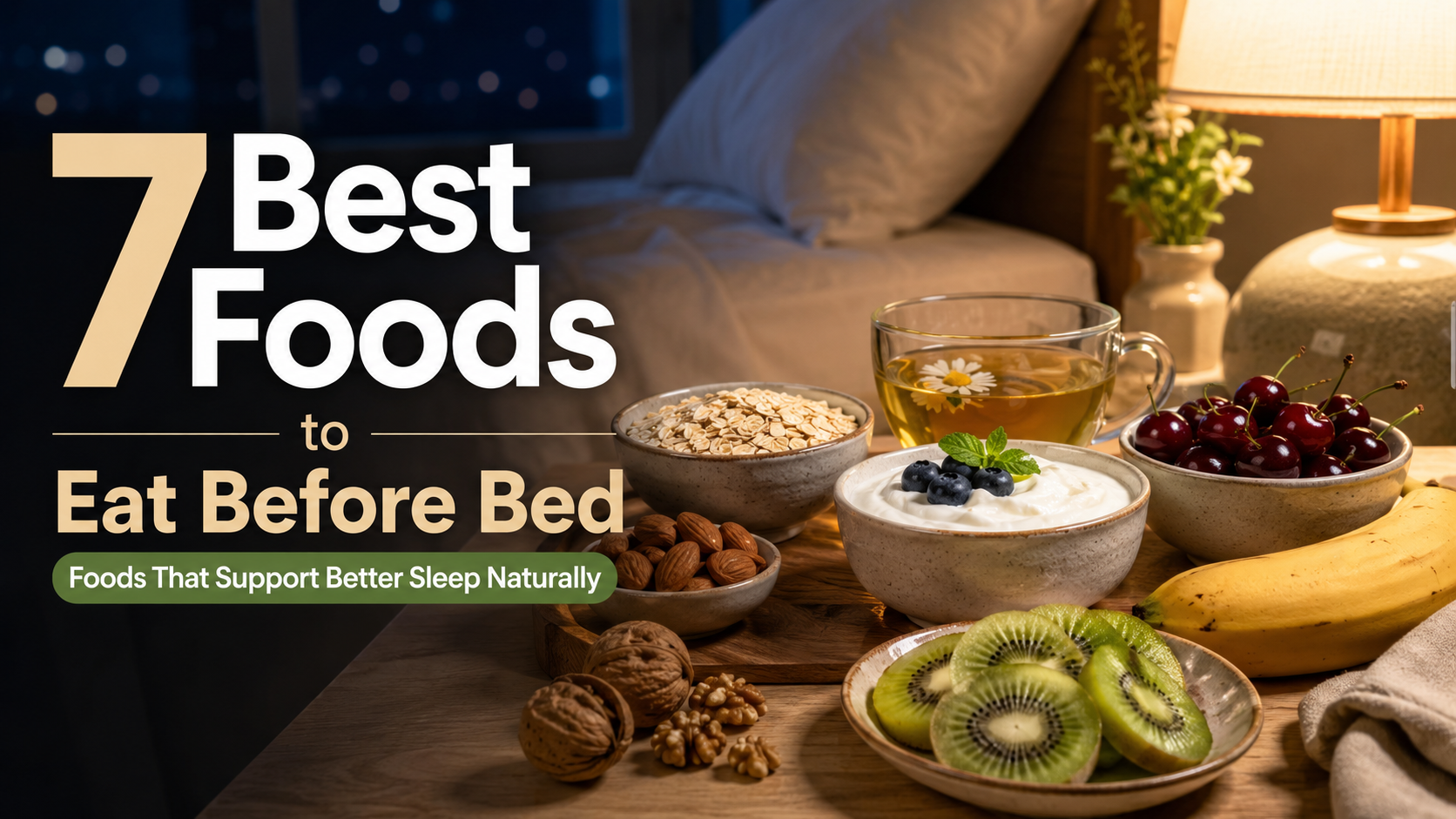
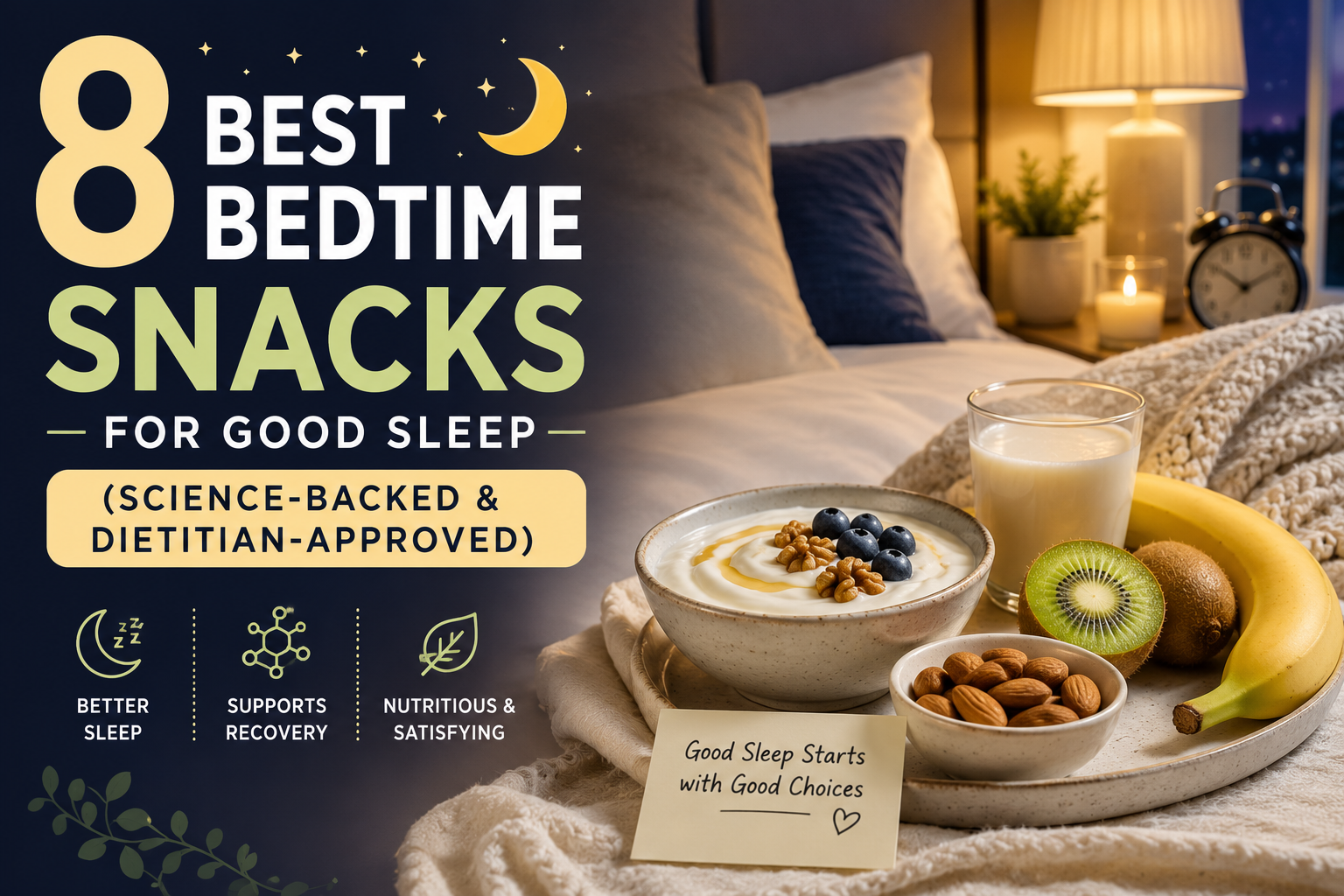
You May Also Like: 8 Best Bedtime Snacks for Good Sleep (Science-Backed & Dietitian-Approved)
Sleepmaxxing at a Glance: What’s Worth It?#
| Habit | Evidence Level | Cost | Effort | Worth Trying? |
|---|---|---|---|---|
| Consistent sleep schedule | Strong | Free | Low | ✅ Yes |
| 90-minute wind-down routine | Strong | Free | Low | ✅ Yes |
| 65–68°F bedroom temperature | Strong | Low | Low | ✅ Yes |
| Cut caffeine before 2 PM | Strong | Free | Low | ✅ Yes |
| Morning sunlight exposure | Strong | Free | Low | ✅ Yes |
| Magnesium glycinate | Moderate | Low | Low | ✅ Yes (check with doctor) |
| White or pink noise | Moderate | Low | Low | ✅ Yes |
| Nasal breathing habits | Moderate | Low | Medium | ✅ Yes |
| Mouth taping | Weak / Risky | Low | Medium | ⚠️ Caution |
| High-dose melatonin nightly | Weak | Low | Low | ❌ Skip or limit |
| Blue light glasses alone | Weak | Medium | Low | ⚠️ Overhyped |
| Cold plunge before bed | Backfires | Medium | High | ❌ Skip (try AM instead) |
| Chasing a perfect sleep score | Negative | High | High | ❌ Skip |
5 Sleepmaxxing Hacks You Should Skip (Or Approach Very Carefully)#
1. Mouth Taping — Riskier Than TikTok Makes It Look#
Mouth taping involves placing a small piece of tape over your lips at night to force nasal breathing. Proponents claim it reduces snoring, improves sleep quality, and even alters facial structure over time.
Here’s the problem. If you have undiagnosed obstructive sleep apnea — a condition affecting roughly 30 million Americans, many of whom don’t know it — mouth taping can be dangerous. Sleep apnea involves airway obstruction during sleep, and forcing nasal-only breathing without addressing the underlying obstruction is not a benign experiment.
Even for people without sleep apnea, nasal congestion makes mouth taping actively uncomfortable and potentially disruptive rather than helpful.
Better alternative: Start with nasal strips, a saline rinse, or treating underlying allergies. If mouth breathing persists, talk to a sleep specialist before reaching for the tape.
2. High-Dose Melatonin Every Night#
Melatonin is not a sleeping pill. It’s a timing signal — it tells your brain that darkness has arrived and sleep should follow. The key word is signal.
Most people who take melatonin take far too much. Common over-the-counter doses in the US range from 5–10mg. But research suggests that doses as low as 0.5–1mg are equally effective for most sleep onset issues, and lower doses are less likely to cause next-day grogginess or interfere with your body’s natural melatonin production over time.
The Mayo Clinic cautions against making melatonin a nightly habit without medical guidance, particularly for younger adults and people on blood pressure or diabetes medications. Use it strategically — for jet lag, schedule shifts, or occasional sleeplessness — rather than as a daily supplement.
3. Relying on Blue Light Glasses Alone#
Blue light blocking glasses have a role — but a limited one. A 2021 Cochrane review found insufficient evidence to conclude that blue light glasses meaningfully improve sleep outcomes compared to placebo lenses.
The bigger problem is behavioral: people wear blue light glasses as a permission slip to keep scrolling, watching, and stimulating their brains right up until lights out. The light is only part of the issue. The cognitive and emotional arousal from the content itself is equally disruptive.
Use the glasses if you want. But couple them with actually dimming your environment and reducing screen exposure — don’t use them as a substitute for it.
4. Cold Plunges Right Before Bed#
Cold exposure has genuine health benefits — improved mood, enhanced recovery, cold adaptation. The timing just matters enormously.
Cold plunges activate your sympathetic nervous system — the “fight or flight” system — which is the exact opposite of what you want approaching sleep. Your body needs to be winding down, not ramping up.
Cold plunges are best placed in the morning or early afternoon, where the alerting effect works in your favor. Save the warm bath for the evening.
5. Chasing a Perfect Sleep Score Every Night#
This deserves its own slot even though we touched on it earlier, because it’s genuinely one of the most common traps in the sleepmaxxing world.
Sleep trackers measure correlates of sleep — movement, heart rate, HRV — and use algorithms to estimate sleep stages. They’re useful trend data, not clinical-grade diagnostics. Treating your nightly score as a verdict on your health is a fast path to sleep anxiety.
Studies on orthosomnia show that wearable-induced sleep anxiety can create the very insomnia it’s meant to help prevent. If checking your sleep score is the first thing you do every morning and it regularly affects your mood, consider taking a break from tracking for a couple of weeks.
How you feel matters. That’s data too.
A Simple 7-Night Sleepmaxxing tips for Better Sleep#
Don’t try to change everything at once. Here’s a one-new-habit-per-night rollout that builds a solid foundation without overwhelm.
- Night 1 — Set your wake time. Pick a time and commit to it for the next 7 days regardless of when you fall asleep.
- Night 2 — Add a screen-free 30 minutes. No phone, TV, or laptop in the last half hour before bed. Replace it with reading, stretching, or just sitting quietly.
- Night 3 — Cool your bedroom. Aim for 65–68°F. Open a window, use a fan, or adjust your thermostat.
- Night 4 — Move your last caffeine earlier. Shift it to before 2 PM and stick to it.
- Night 5 — Add morning sunlight. Step outside within 30 minutes of waking — even just 10 minutes. No sunglasses.
- Night 6 — Try magnesium glycinate. 200–400mg taken 45 minutes before bed, if appropriate for you. Check with your doctor first.
- Night 7 — Review and simplify. Look back at the week. Which habits felt easiest? Which made the biggest difference to how you felt the next day? Keep your top 3 and build from there.
That’s it. No supplements stack. No $300 device. Just a week of consistent, evidence-based habits layered one at a time.
The Bottom Line#
Sleepmaxxing doesn’t need to be expensive, extreme, or exhausting.
The habits that genuinely move the needle — a consistent schedule, a slower evening, a cooler room, cutting caffeine earlier, managing light — are all free, low-effort, and deeply supported by sleep science. The flashy stuff, the tape, the high-dose supplements, the obsessive score-tracking? That’s mostly noise.
Start with one change tonight. Just one. Do it consistently for a week, and then add the next. That boring, unglamorous approach is exactly what the best sleep research supports — and exactly what your body needs.
Your best night’s sleep isn’t a hack away. It’s a habit away.
Note: This article is intended for informational purposes and does not constitute medical advice. If you suspect a sleep disorder such as sleep apnea, insomnia, or another condition, please consult a licensed healthcare provider.
You May Also Like: 9-Step Bedtime Routine for Adults to Improve Sleep Quality
FAQ: Sleepmaxxing Questions Answered#
Is sleepmaxxing safe?#
The concept itself is safe — optimizing sleep is a legitimate health goal. The risk comes from specific hacks, particularly mouth taping for people with undiagnosed sleep apnea, or high-dose supplement use without medical guidance. Stick to behavior-based changes first and you’re on solid ground.
How long does it take for sleepmaxxing habits to work?#
Most people notice improvements in sleep onset and next-day energy within 1–2 weeks of consistent changes. Circadian rhythm shifts typically stabilize within 2–4 weeks of keeping a consistent sleep schedule.
Can sleepmaxxing help with insomnia?#
Mild to moderate difficulty falling or staying asleep can respond well to the behavioral habits covered here — particularly consistent scheduling, wind-down routines, and caffeine reduction. These overlap significantly with Cognitive Behavioral Therapy for Insomnia (CBT-I), which is considered the gold-standard first-line treatment by the American Academy of Sleep Medicine. Chronic or severe insomnia warrants a conversation with a healthcare provider.
Do I need a wearable to sleepmax?#
Absolutely not. The most evidence-backed sleepmaxxing habits — consistent schedule, cool room, caffeine cutoff, wind-down routine — are all free and require no technology. A wearable can add useful trend data, but it’s a tool, not a prerequisite.
What’s the single most impactful sleepmaxxing tip?#
If you can only pick one: a consistent wake time, every day. It anchors your entire circadian rhythm and makes every other sleep habit easier to implement. It costs nothing, requires no products, and the science behind it is overwhelming.