Banana Before Bed Good for Sleep? 5 Proven Expert Facts!
Introduction#
Banana before bed good for sleep? You’ve probably heard someone say, “Don’t eat before bed — it’ll ruin your sleep.” But what if the right food before bed could actually improve it?
It’s cheap, it’s convenient, and it sits right there on your kitchen counter looking almost too simple to be useful. But here’s the thing — a growing body of research suggests that eating a banana before bed might genuinely help you fall asleep faster, sleep more deeply, and wake up feeling more refreshed.
So, is a banana before bed good for sleep? Let’s dig into the science — and settle this once and for all.
What’s Actually in a Banana? (Nutritional Breakdown)#
Before we talk sleep, it helps to understand what you’re actually eating when you peel one of these yellow guys. Bananas are more nutritionally complex than most people give them credit for.
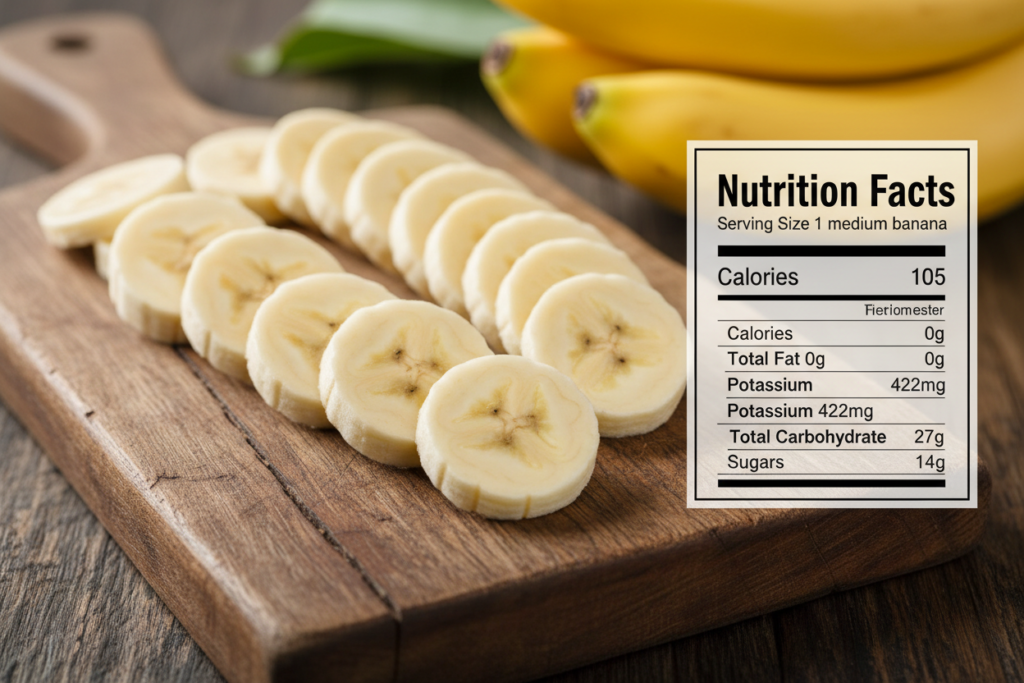
Here’s what one medium banana (about 118g) contains:
| Nutrient | Amount per Medium Banana |
|---|---|
| Calories | ~105 |
| Carbohydrates | ~27g |
| Natural Sugars | ~14g |
| Fiber | ~3g |
| Potassium | ~422mg (12% DV) |
| Magnesium | ~32mg (8% DV) |
| Vitamin B6 | ~0.4mg (24% DV) |
| Tryptophan | ~11mg |
| Melatonin (trace) | Present |
That’s a pretty impressive lineup for something you can grab at the checkout line for under a dollar.
Why Bananas May Help You Sleep Better#
This is where it gets interesting. Several compounds in bananas work together — almost like a natural sleep stack — to ease your body into rest mode.
1. Magnesium and Potassium: Your Muscles’ Best Friends at Night#
One of the most overlooked sleep disruptors? Muscle tension. If you’ve ever woken up with a cramped leg or spent an hour tossing and turning because your body just wouldn’t relax, you’re not alone.
Magnesium plays a critical role in muscle relaxation. It helps regulate the nervous system and has been shown in multiple studies to improve sleep quality, especially in people who are deficient — which, according to the NIH Office of Dietary Supplements, is a surprisingly large percentage of Americans. A dedicated clinical review published by the National Institutes of Health (NIH) confirms that adequate dietary magnesium intake is directly associated with a lower risk of sleep disorder symptoms.
Potassium works alongside magnesium to support muscle function and reduce nighttime leg cramps. Together, they create a physical calm that makes it much easier for your body to settle down.
2. Tryptophan: The Real MVS (Most Valuable Sleep Compound)#
You’ve probably heard of tryptophan in the context of Thanksgiving turkey making everyone drowsy. Well, bananas contain it too.
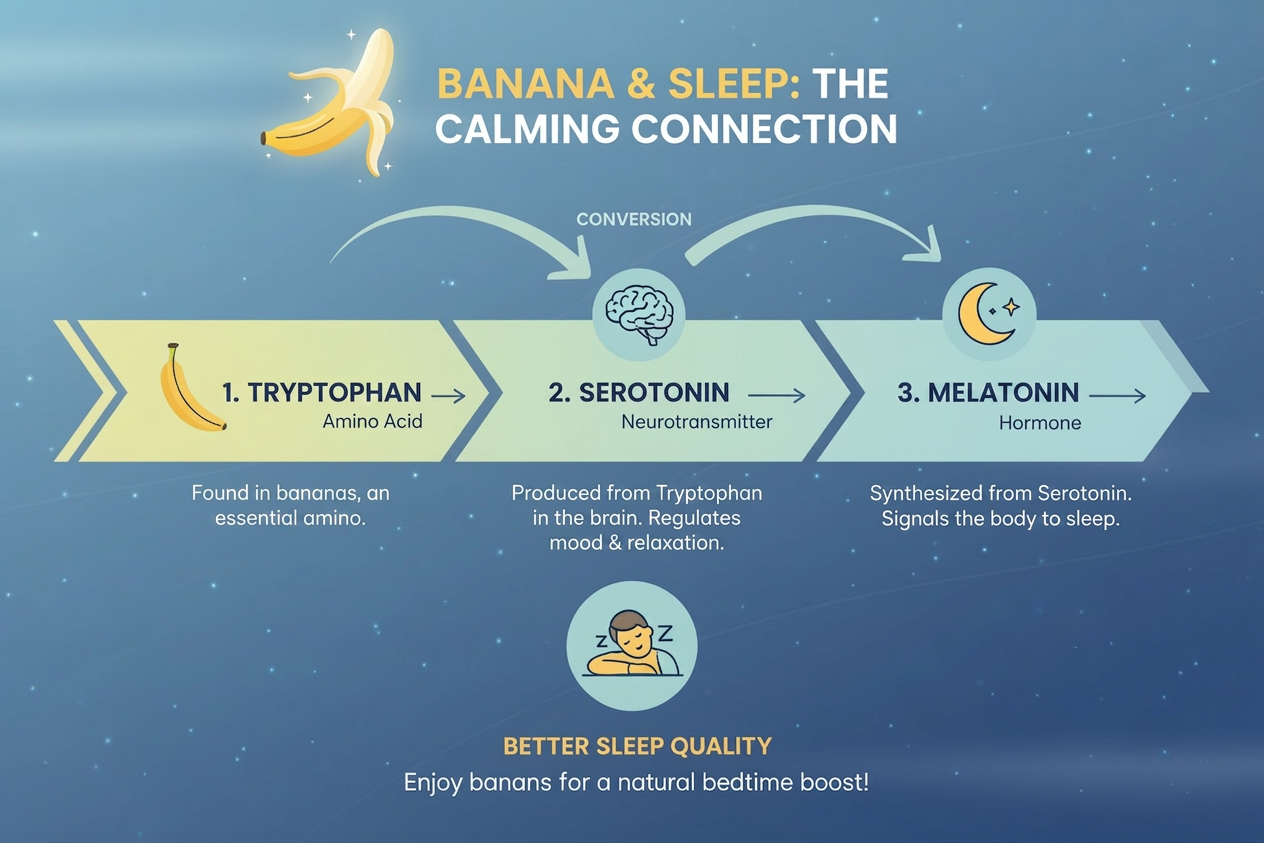
Tryptophan is an essential amino acid — your body can’t make it on its own, so you need to get it from food. Once consumed, it converts to serotonin (your “feel-good” neurotransmitter), which then converts to melatonin (your “it’s time to sleep” hormone).
That’s a pretty powerful chain reaction from a single fruit.
Important note: Bananas don’t contain massive amounts of tryptophan compared to, say, turkey or pumpkin seeds. But when combined with carbohydrates (which bananas naturally have), tryptophan can cross the blood-brain barrier more efficiently. The carbs essentially clear the path.
3. Melatonin: The Sleep Hormone You Didn’t Know Was in Your Fruit Bowl#
Here’s something that surprises most people: bananas naturally contain small amounts of melatonin.
A clinical trial published in the Journal of Pineal Research found measurable serum melatonin levels spikes in healthy individuals after eating two peeled bananas. Though the amounts are modest compared to synthetic over-the-counter bottles, every bit counts — especially when it’s combined with the internal tryptophan-to-melatonin conversion pathway mentioned above.
Think of it as a double hit: you’re getting trace melatonin directly and your body is producing more of it thanks to the tryptophan and B6 in the banana.
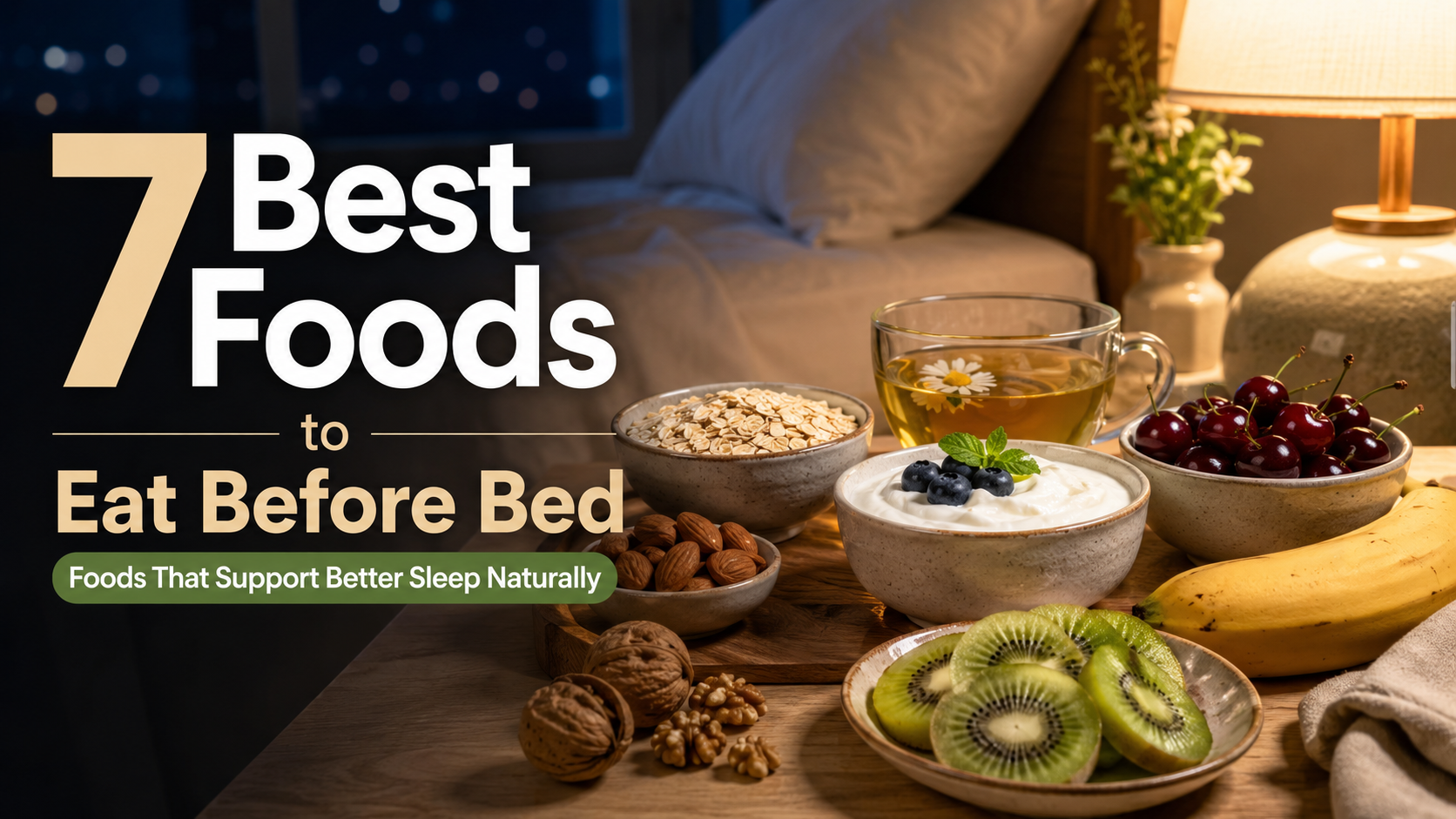
Read Also: 7 Best Foods to Eat Before Bed for Good Sleep
4. Vitamin B6: The Conversion Catalyst#
Vitamin B6 is the unsung hero here. Without it, the conversion of tryptophan into serotonin and eventually melatonin doesn’t happen efficiently.
Bananas are one of the best whole-food options for this micronutrient. According to the NIH Vitamin B6 Fact Sheet, a single medium banana delivers roughly 0.4 milligrams of pyridoxine, fulfilling 25% of your recommended daily value. If you are low on B6, your brain may actively struggle to produce adequate melatonin even when tryptophan is available.
A banana before bed helps fix that chemical bottleneck.
5. Natural Sugars and Blood Sugar Balance#
This one is a bit more nuanced. Some people worry about eating carbs or sugar before bed. Here’s the balanced take:
Bananas contain natural sugars (fructose, glucose, and sucrose) along with dietary fiber, which slows digestion and prevents rapid blood sugar spikes. A moderate rise in blood sugar from a banana can actually support serotonin production — helpful for sleep.
The caveat: If you eat an overripe banana (the darker, spottier ones), the sugar content is higher and the glycemic impact is greater. To keep your insulin stable overnight according to standard guidelines by the U.S. Food and Drug Administration (FDA), a ripe but not overripe banana is your best bet.
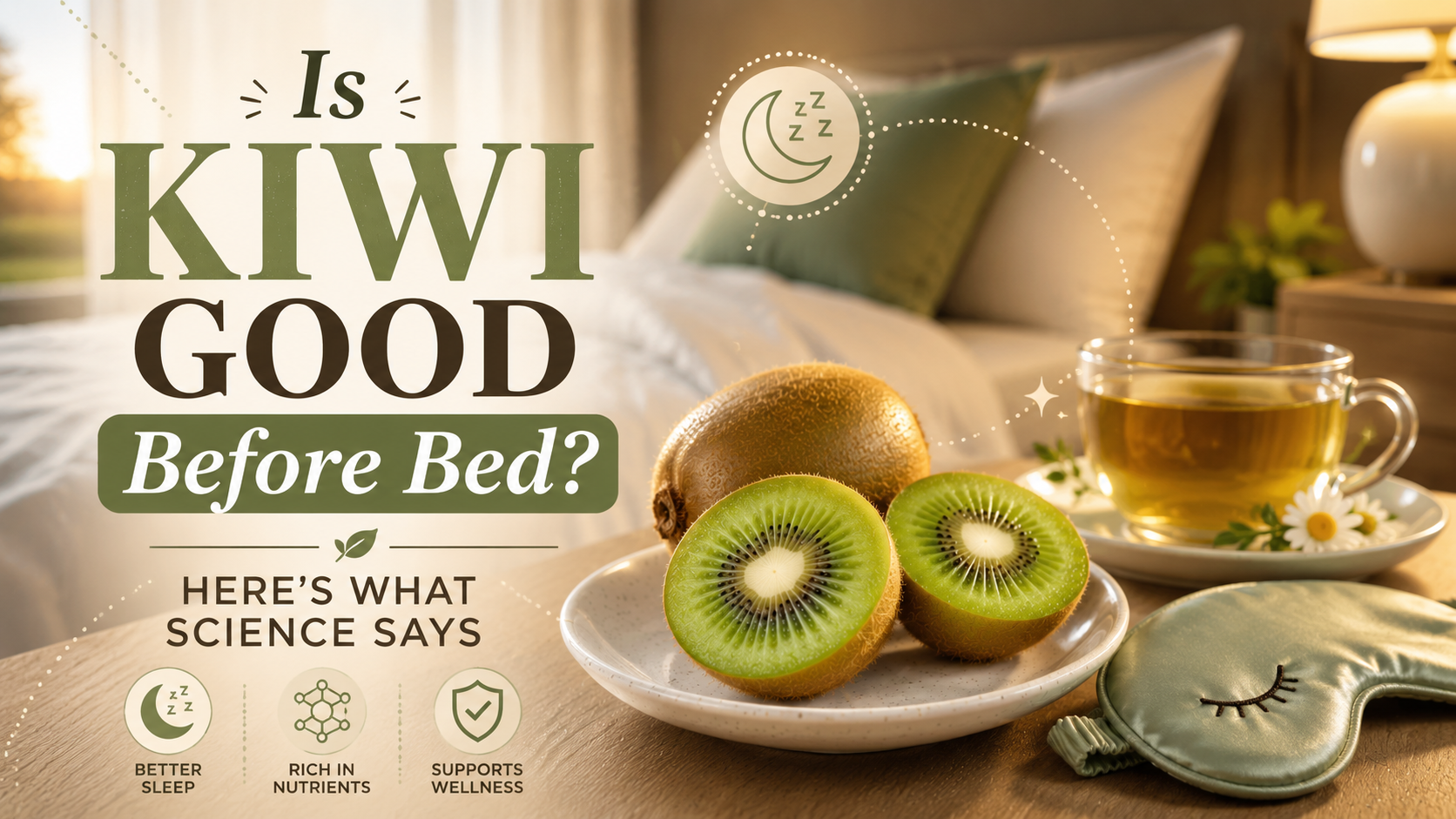
You May Also Like: Is Kiwi Good Before Bed? 7 Surprising Benefits for Deep Sleep
How Many Bananas Should You Eat Before Bed?#
One medium banana is the sweet spot. Here’s why more isn’t necessarily better:
- Caloric load: A second banana adds another ~105 calories, which may be more than you want right before sleep.
- Digestive comfort: More banana means more food your digestive system has to process while you’re trying to rest.
- Blood sugar: Sticking to one keeps your natural sugars in a range that supports sleep rather than disrupting it.
If you want to supercharge the effect slightly, pair your banana with a small amount of almond butter or a few walnuts. The healthy fats and additional magnesium can enhance relaxation even more.
Best Time to Eat a Banana Before Sleep#
Timing matters here. You don’t want to eat right before your head hits the pillow — your body needs a little time to begin converting tryptophan and processing nutrients.
Recommended window: 30 to 60 minutes before bedtime.
This gives your body enough time to:
- Begin digesting the banana
- Start converting tryptophan to serotonin
- Let blood sugar stabilize
- Allow muscle-relaxing minerals to get to work
Eating too close to bedtime (within 15 minutes) may cause some mild digestive discomfort. Eating too far ahead (2+ hours before) may mean the timing of the sleep-promoting compounds doesn’t align well with when you’re trying to fall asleep.
Possible Downsides to Watch Out For#
To be fair and accurate — bananas before bed aren’t magic, and they’re not right for everyone.
Watch out if you:
- Have acid reflux or GERD: Bananas are generally considered a low-acid food and are often recommended for reflux — but everyone’s digestive system is different. If you notice symptoms, listen to your body.
- Are managing blood sugar closely: If you’re diabetic or pre-diabetic, check with your doctor or a registered dietitian before adding fruit to your nighttime routine.
- Are watching calories tightly: 105 calories may or may not fit your evening macros, depending on your goals.
- Have a latex allergy: Some people with latex allergies also react to bananas — a phenomenon called latex-fruit syndrome.
None of these are reasons to avoid bananas entirely — they’re just things to keep in mind.
Banana Before Bed vs. Other Sleep-Friendly Snacks#
Bananas are a solid choice, but how do they stack up against other popular bedtime snacks?
| Snack | Key Sleep Nutrients | Calories | Ease of Prep | Best For |
|---|---|---|---|---|
| Banana | Magnesium, potassium, tryptophan, B6, melatonin | ~105 | Grab and go | Muscle relaxation + melatonin support |
| Tart cherry juice | Melatonin (natural), antioxidants | ~100–130 | Pour and drink | Direct melatonin boost |
| Almonds | Magnesium, melatonin, healthy fats | ~160 (1 oz) | Grab and go | Calming the nervous system |
| Kiwi | Serotonin, antioxidants, Vitamin C | ~60 | Minor prep | Improving sleep onset time |
| Chamomile tea | Apigenin (calming), no calories | ~0 | Steep and sip | Anxiety-driven insomnia |
| Greek yogurt | Tryptophan, calcium, protein | ~100 | Grab and eat | Protein + tryptophan combo |
The banana holds its own nicely — especially for people who want something quick, portable, and genuinely filling (unlike tea or a few almonds).
Read Also: 8 Best Bedtime Snacks for Good Sleep (Science-Backed & Dietitian-Approved)
Who Benefits Most from a Bedtime Banana?#
Honestly? Most healthy adults can benefit. But a few groups stand out:
- People with nighttime leg cramps: The magnesium and potassium combo is particularly useful here.
- Those with mild sleep onset issues: If you struggle to fall asleep (but not necessarily stay asleep), the tryptophan pathway may help.
- Stress-heavy lifestyles: Magnesium is depleted by chronic stress. Replenishing it nightly can have a cumulative calming effect.
- Athletes and active people: Muscle recovery overnight is enhanced by potassium and magnesium — two things bananas deliver well.
- People avoiding sleep supplements: If you want a natural, whole-food alternative to melatonin gummies or magnesium tablets, a banana is an elegant option.
Conclusion: Should You Eat a Banana Before Bed?#
Here’s the short answer: for most healthy adults, yes — a banana before bed is a simple, affordable, and genuinely science-supported strategy for better sleep.
It won’t replace good sleep hygiene, a consistent bedtime, or a dark, cool room. But as a sleep-supporting snack? It checks a lot of boxes: magnesium and potassium for muscle relaxation, tryptophan and B6 for the serotonin-melatonin conversion chain, and trace melatonin to boot.
One medium banana, about 30–60 minutes before you hit the pillow, is all it takes to give your body a natural nudge toward restful sleep.
Check This Out: 7 Best Foods to Eat Before Bed for Good Sleep
Frequently Asked Questions: Banana Before Bed Good for Sleep?#
Can bananas help with insomnia?#
Bananas are a great natural aid for mild sleep disturbances, but they are not a clinical cure for chronic insomnia. They naturally deliver a combination of muscle-relaxing magnesium, potassium, and tryptophan—an essential amino acid your brain requires to synthesize serotonin and melatonin. For persistent or severe medical insomnia, you should always consult a licensed healthcare provider
Is a green or yellow banana better for sleep?#
A ripe, yellow banana is significantly better for evening consumption and sleep quality. Green bananas contain high amounts of resistant starch which takes longer to break down and can cause late-night gas, bloating, or digestive discomfort. On the flip side, overripe brown bananas contain higher simple sugar concentrations that can trigger blood sugar spikes, potentially waking you up in the middle of the night.
Can I eat a banana before bed if I have diabetes?#
If you are managing diabetes or are highly sensitive to insulin, you should consult your doctor or registered dietitian before making bananas a nightly routine. While bananas offer excellent nutrients, they possess a moderate glycemic index and deliver roughly 27 grams of carbohydrates. For some individuals, consuming a carbohydrate-dense fruit late at night can induce blood sugar fluctuations that actively disrupt sleep architecture
How long before bed should you eat a banana?#
The optimal time to eat a banana is 30 to 60 minutes before your target bedtime. Your body requires this window of time to digest the fruit, absorb the active nutrients, and begin converting the dietary tryptophan into sleep-inducing melatonin. Eating it too close to turning the lights out doesn’t give the muscle-relaxing minerals enough time to take full effect
Does eating a banana before bed cause weight gain?#
No, eating a single medium banana before bed is highly unlikely to cause weight gain. One banana contains roughly 105 calories, meaning it will only impact your weight if it pushes you past your total daily caloric maintenance threshold. Furthermore, getting deeper, high-quality sleep actually aids weight management by balancing your body’s natural hunger hormones, ghrelin and leptin.