Is Kiwi Good Before Bed? 7 Surprising Benefits for Deep Sleep
You’re lying in bed, staring at the ceiling at midnight. Your mind is running a marathon even though your body is exhausted. Sound familiar? You’ve probably tried everything — turning off screens earlier, taking melatonin, even that lavender pillow spray your coworker swore by.
But here’s something most people overlook sitting right in the produce aisle: kiwi.
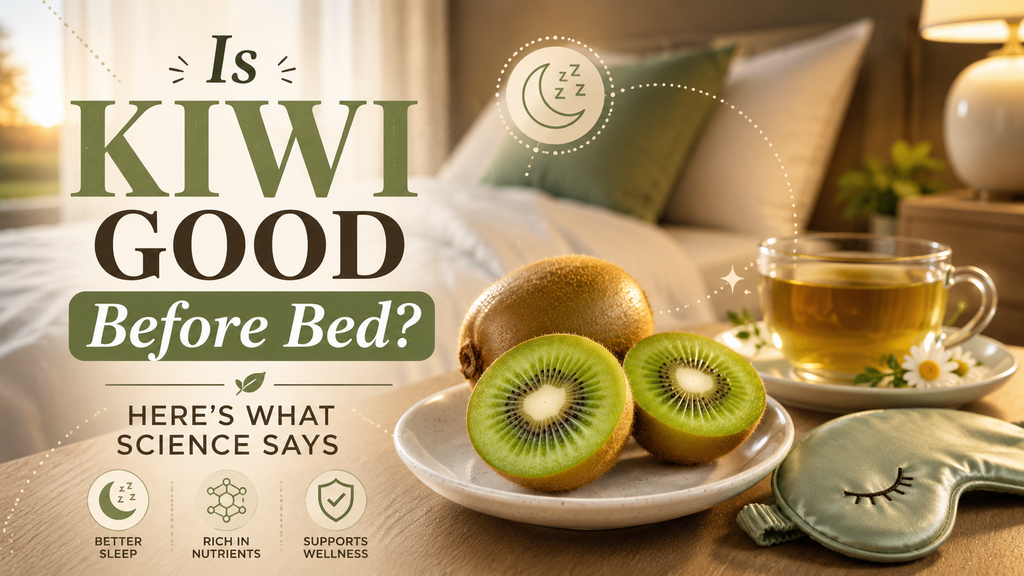
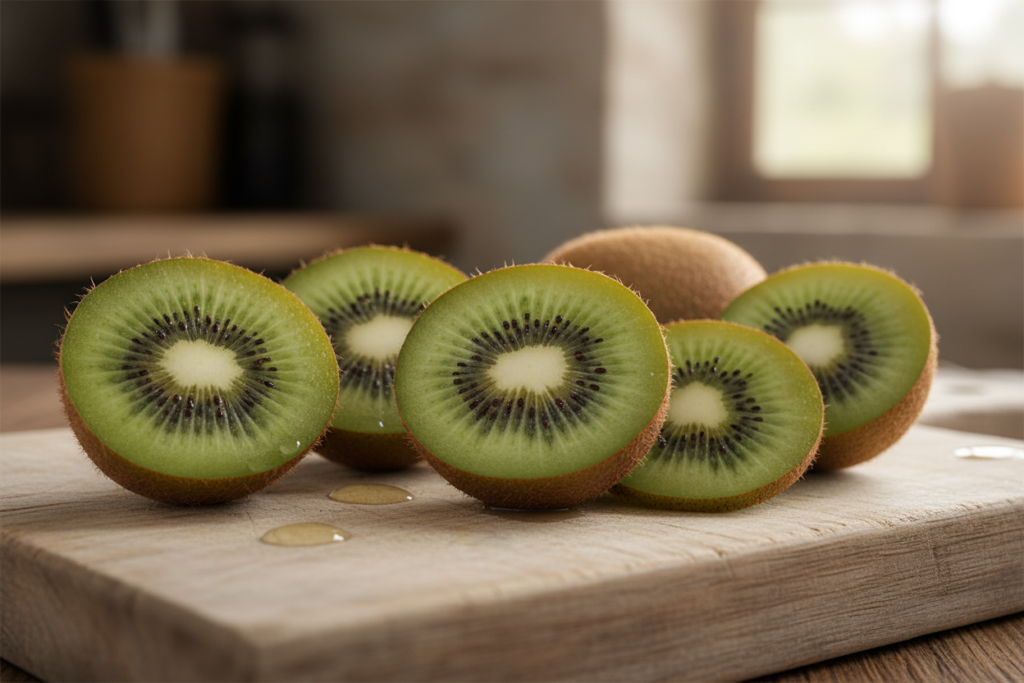
Yes, the small, fuzzy green fruit. Is kiwi good before bed? It turns out eating kiwi before bed isn’t just a quirky health hack — it’s backed by actual research, and the numbers are pretty hard to ignore. A study involving elite athletes showed that eating just 2 kiwis about an hour before bed for four weeks led to a 47% reduction in time spent awake after falling asleep, 27% fewer nighttime wake-ups, and roughly an extra hour of total sleep.
So, is kiwi good before bed for your overall health? The short answer: absolutely. Let’s dig into why.
What Makes Kiwi a Sleep Superfood?#
Before we get into the studies, it helps to understand why this humble fruit has any business helping you sleep. Kiwi is quietly loaded with nutrients that directly support your body’s natural sleep processes.
Here’s what’s inside those two little fruits working hard for you at night:
| Nutrient | Sleep Benefit |
|---|---|
| Serotonin | Helps you relax and ease into sleep naturally |
| Melatonin | Signals your body that it’s time to wind down |
| Vitamin B6 | Helps tired muscles relax after a long day |
| Magnesium | Crucial mineral for achieving quality sleep |
| Folate | Helps you sleep soundly and stop waking up too early |
| Polyphenols/Antioxidants | Reduce oxidative stress and inflammation that disrupt sleep |
What’s striking is that kiwi doesn’t just hit one lever — it works across multiple pathways simultaneously. If you have ever wondered, “is kiwi good before bed compared to pills?”, that’s what makes it genuinely different from a simple melatonin gummy that only addresses one piece of the puzzle.
The Science Behind Why Kiwi Is Good Before Bed#
Let’s talk about the research, because this isn’t just one lucky study. Multiple investigations across the last few years have pointed in the same direction, solidifying the evidence for anyone wondering, “is kiwi good before bed?”
The 2023 Atlantic Technological University Study (The Big One)#
This is the study that really turned heads. Researchers followed 15 elite athletes who ate 2 green kiwis exactly 1 hour before bed every night for 4 weeks. The results measured via sleep tracking were striking:
- 47% reduction in time spent awake after initially falling asleep
- 27% fewer nighttime awakenings
- +1 full hour of additional total sleep per night
- Sleep efficiency jumped from 86% to 93% — a meaningful 7-point improvement
Think about that. These were trained athletes who already had disciplined sleep routines, and the kiwi still moved the needle that dramatically. For the average person dealing with everyday stress and poor sleep habits, the potential is significant. You can read the comprehensive findings in the full PubMed Study on Kiwifruit and Sleep.
You May Also Like: 8 Best Bedtime Snacks for Good Sleep (Science-Backed & Dietitian-Approved)
The 2023 Massey University Study#
Researchers at Massey University found that consuming 2 green kiwifruit daily improved both sleep quality and mood, with participants showing higher levels of serotonin and melatonin metabolites in their system. The official Massey University News Release showed that kiwi was literally changing their brain chemistry for the better.
The 2025 Actigraphy Study#
A more recent 2025 study used actigraphy (wearable motion-tracking devices used to measure actual sleep behavior) and found that 2 kiwis before bed led to a 17% increase in total sleep time and a 2.5% improvement in sleep efficiency. These are objective, device-measured results — not just self-reported feelings.
The 2019 Asia Pacific Journal of Clinical Nutrition Trial#
Even earlier, a clinical trial published in this peer-reviewed journal found that kiwi helped participants fall asleep faster, sleep longer overall, and wake up less frequently during the night. The pattern has been consistent across years of research.
Dr. Raj Dasgupta, sleep expert at Huntington Health, summarized it well: “One study revealed individuals who consumed two kiwis an hour before sleep for four weeks fell asleep more quickly, enjoyed longer sleep durations, and experienced improved sleep quality.”
How Kiwi Actually Works in Your Body at Night#
Here’s where it gets interesting from a biology standpoint. Kiwi doesn’t just contain sleep-friendly nutrients — it actively influences the hormones and chemicals your body needs to fall and stay asleep.
Serotonin → Melatonin Conversion#
Kiwi contains serotonin, the brain chemical that helps you feel calm and relaxed. Your body also uses serotonin as a building block to produce melatonin — the hormone that signals nighttime and triggers your sleep drive. So eating kiwi before bed essentially gives your body the raw materials it needs to produce its own natural melatonin.
This is fundamentally different from taking a synthetic melatonin supplement, which can cause dependency and affect how your body regulates the hormone on its own over time.
Cortisol Reduction#
Cortisol is your stress hormone — and if it’s elevated at night (which is incredibly common in busy, stressed adults), it actively blocks sleep. Kiwi has been shown to help lower cortisol levels, which is one reason consuming it in the evening is particularly effective. Less stress hormone = easier time falling asleep.
Muscle Relaxation via B6 and Magnesium#
If you’re waking up in the night or struggling to get comfortable, vitamin B6 and magnesium may be part of the fix. B6 helps tired muscles relax, while magnesium is widely recognized as a crucial mineral for sleep quality and muscle function. Kiwi gives you both.
Folate for Staying Asleep#
One thing most articles miss entirely: folate. This B-vitamin found in kiwi has been linked to helping people sleep more soundly and — importantly — stop waking up too early in the morning. If you’re someone who crashes at 10pm but pops awake at 4am unable to go back to sleep, this nutrient might be especially relevant for you.
Read Also: 9-Step Bedtime Routine for Adults to Improve Sleep Quality
How to Eat Kiwi Before Bed (The Right Way)#
The research is pretty specific about the protocol, so there’s no need to guess here.
The Sleep-Optimized Kiwi Protocol#
- Choose 2 green kiwifruit — the research consistently used green variety, which is higher in polyphenols and antioxidants than yellow
- Eat them 1 hour before your target bedtime — this gives your body enough time to process the nutrients and allow serotonin levels to rise
- Do this daily for at least 4 weeks — results in the studies didn’t happen overnight; consistency is what drove the improvements
- Don’t peel the skin — this is a tip almost nobody mentions, but eating kiwi whole (skin and all) adds significant fiber, prebiotic compounds, and polyphenols that feed beneficial gut bacteria. The gut-brain connection is real, and a healthier gut supports better sleep
- Keep it simple — no need to blend it into a smoothie or mix it with other foods right before bed; eat it as-is
Pro tip: If the skin texture bothers you, try scrubbing it clean and taking small bites. Many people find it perfectly palatable once they get used to it.

Kiwi Before Bed vs. Melatonin Supplements#
A lot of people reach for melatonin when they can’t sleep. It’s convenient, it’s cheap, and it seems to work — at least initially. But there are some real trade-offs worth knowing.
| Factor | Kiwi Before Bed | Melatonin Supplement |
|---|---|---|
| Mechanism | Supports natural melatonin production | Introduces synthetic melatonin externally |
| Side effects | None (for most people) | Grogginess, dependency, disrupted natural cycles |
| Additional benefits | Nutrients, antioxidants, gut health, cortisol reduction | Sleep only |
| Time to work | 4 weeks of consistent use | Often immediate but short-lived |
| Cost | ~$0.50–$1 per night | Varies; ongoing expense |
| Research quality | Multiple peer-reviewed studies | Extensive but mixed long-term results |
The key difference: kiwi works with your body’s natural systems. Melatonin supplements, while not harmful in the short term, can create a feedback loop where your body produces even less of its own melatonin over time.
Read Also: 7 Signs Your Cortisol Levels Are Too High (And What to Do About It)
Other Sleep-Supporting Foods Worth Knowing#
Kiwi is a standout, but it’s not the only food with sleep benefits. Here are a few worth adding to your rotation:
- Tart cherry juice — one of the richest natural sources of melatonin
- Almonds — packed with both magnesium and melatonin
- Bananas — contain tryptophan, which converts to serotonin and then melatonin
- Oatmeal — surprisingly rich in melatonin and complex carbs that stabilize blood sugar overnight
Building a sleep-friendly diet that includes a variety of these foods alongside your 2 nightly kiwis is the smartest long-term play.
Important Things to Keep in Mind#
Let’s be real for a second. Kiwi is genuinely impressive for sleep support — but it’s not magic, and a couple of caveats matter.
It’s not a standalone solution. Nutrition expert Goyal noted that while kiwi’s sleep-promoting properties are real, it should complement a broader approach to sleep hygiene — not replace it. You still need consistent bedtimes, a cool dark room, limited screen time, and stress management.
If you have chronic insomnia, please see a doctor. Kiwi might meaningfully improve your sleep quality, but chronic insomnia is a clinical condition that deserves professional attention. Use kiwi as a supportive habit, not a substitute for medical care.
Allergies are real. Some people are allergic to kiwi — reactions can include tingling or swelling in the mouth. If you’ve never eaten kiwi before, start with a small amount and see how your body responds.
Kiwi Nutritional Snapshot (Per 2 Green Kiwis)#
| Nutrient | Amount (approx.) |
|---|---|
| Calories | ~84 |
| Vitamin C | 137% Daily Value |
| Vitamin K | 71% Daily Value |
| Vitamin B6 | 6% Daily Value |
| Folate | 10% Daily Value |
| Magnesium | 6% Daily Value |
| Fiber | 4.2g |
| Potassium | 460mg |
Beyond sleep, you’re getting a genuinely nutritious snack — immune support from the Vitamin C, bone health from Vitamin K, and prebiotic fiber for your gut. It’s a rare case where the health trend and the actual nutrition science fully agree.
The Bottom Line#
Here’s the takeaway: eating 2 kiwis about an hour before bed is one of the simplest, most research-backed dietary changes you can make to improve your sleep. It’s inexpensive, it’s delicious, it has zero side effects for most people, and the science is genuinely solid.
A 47% reduction in nighttime wakefulness. An extra hour of sleep. Better morning energy and reduced fatigue. All from a fruit you can grab at any grocery store for under a dollar.
You don’t need to overhaul your entire life to sleep better. Sometimes you just need to make a small, smart swap — and this one might be the easiest you’ve ever tried.
You May Also Like: Sleepmaxxing Tips and Tricks That Actually Work: 10 Hacks to Try (and 5 to Skip)
Frequently Asked Questions#
Is kiwi good for you before bed? #
Yes. Multiple studies show that eating 2 green kiwis about an hour before bed can help you fall asleep faster, sleep longer, and wake up fewer times during the night. The fruit’s combination of serotonin, melatonin, magnesium, B6, folate, and polyphenols all contribute to better sleep.
How many kiwis should I eat before bed? #
Research consistently used 2 green kiwifruit consumed 1 hour before bedtime. That’s the dose that produced significant sleep improvements in the studies.
When is the best time to eat kiwi before bed? #
About 1 hour before your target bedtime. This gives your body enough time to digest the fruit and begin elevating serotonin levels before you try to sleep.
How long does it take for kiwi to improve sleep? #
Most research showed meaningful improvements after 4 weeks of daily consistent use. Some people may notice changes sooner, but don’t judge it after a single night.
Is it safe to eat kiwi before bed every night? #
For most people, yes. Kiwi is a nutritious, low-calorie food that’s safe for nightly consumption. If you have a kiwi allergy or kidney disease (due to high potassium), check with your doctor first.
Is kiwi better than melatonin for sleep? #
Not necessarily “better,” but it works differently — and arguably more sustainably. Kiwi supports your body’s natural melatonin production rather than supplying it from outside, which avoids the dependency issues associated with supplement use.