
Best Foods for Gut Health: 20 Science-Backed Picks
The Gut Health Wake-Up Call Nobody Warned You About#
Let’s be honest — most of us didn’t grow up thinking about our gut microbiome. You ate, you digested (hopefully), and you moved on. But somewhere between chronic bloating, unpredictable energy crashes, and a immune system that seems to take every sick day you never asked for, gut health became a topic you can’t ignore.
Here’s the wild part: roughly 70% of your immune system lives in your gut. And the billions of bacteria that call your digestive tract home? They influence everything from how you feel in the morning to how clearly you think by afternoon.
The good news? You don’t need a supplement stack or a radical cleanse. You need the right foods — consistently, over time. This guide covers the best foods for gut health, why they work, and exactly how to start eating more of them without turning your kitchen into a biology lab.
Why Your Gut Health Matters More Than You Think#
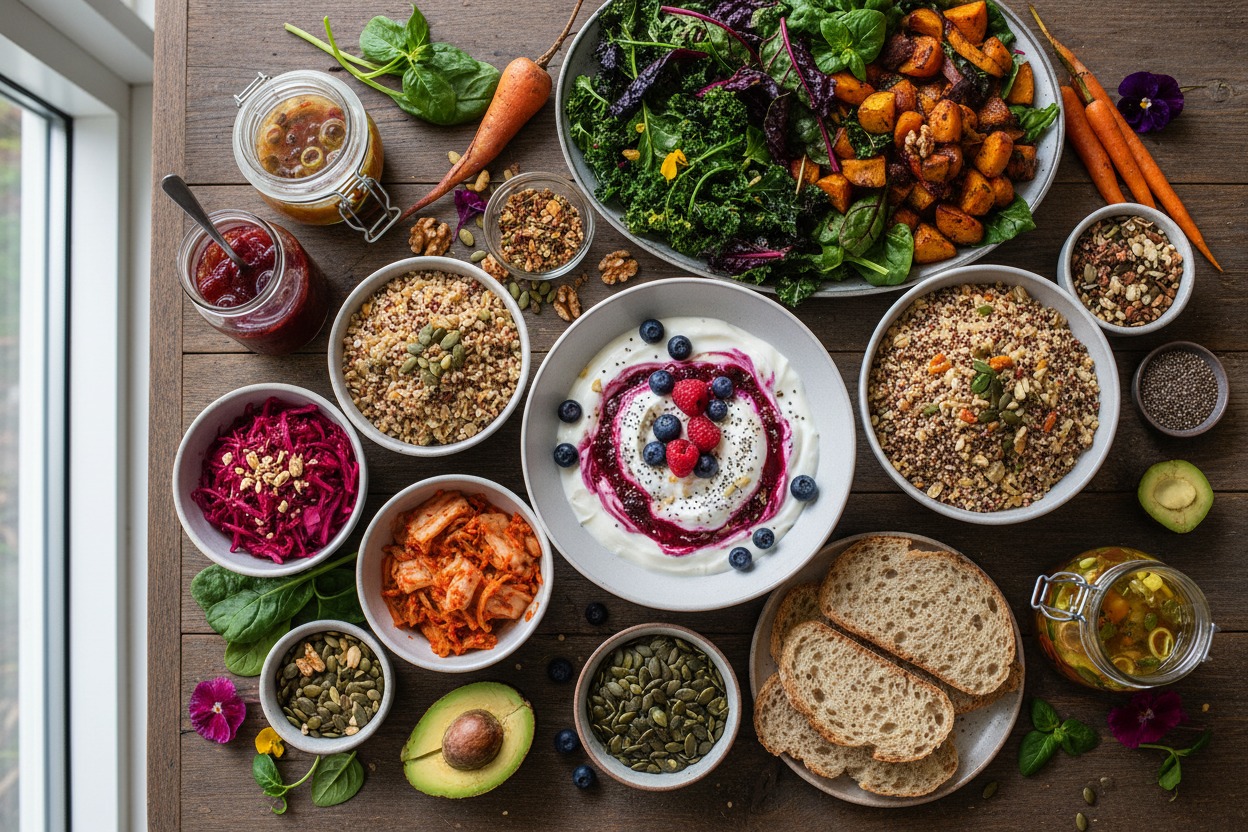
Your gut isn’t just a digestion machine. It’s home to the gut microbiome — a complex community of trillions of bacteria, fungi, and other microorganisms that researchers are still actively studying. What we do know is significant:
- A diverse microbiome is linked to better immune function, mental health, and reduced inflammation.
- Poor gut health has been connected to bloating, fatigue, skin issues, and even mood disorders.
- What you eat directly shapes which bacteria thrive and which die off.
The relationship between food and your gut microbiota is basically a daily vote. Every meal either feeds the good guys or crowds them out. So let’s make those votes count.
The 20 Best Foods for Gut Health#
Fiber-Rich Foods — The Foundation of Digestive Health#
Dietary fiber is the single most important nutrient for gut health, full stop. It feeds beneficial bacteria, adds bulk to stool, and keeps things moving the way they should. Most Americans get around 15 grams of fiber per day — about half of the recommended 25–38 grams.
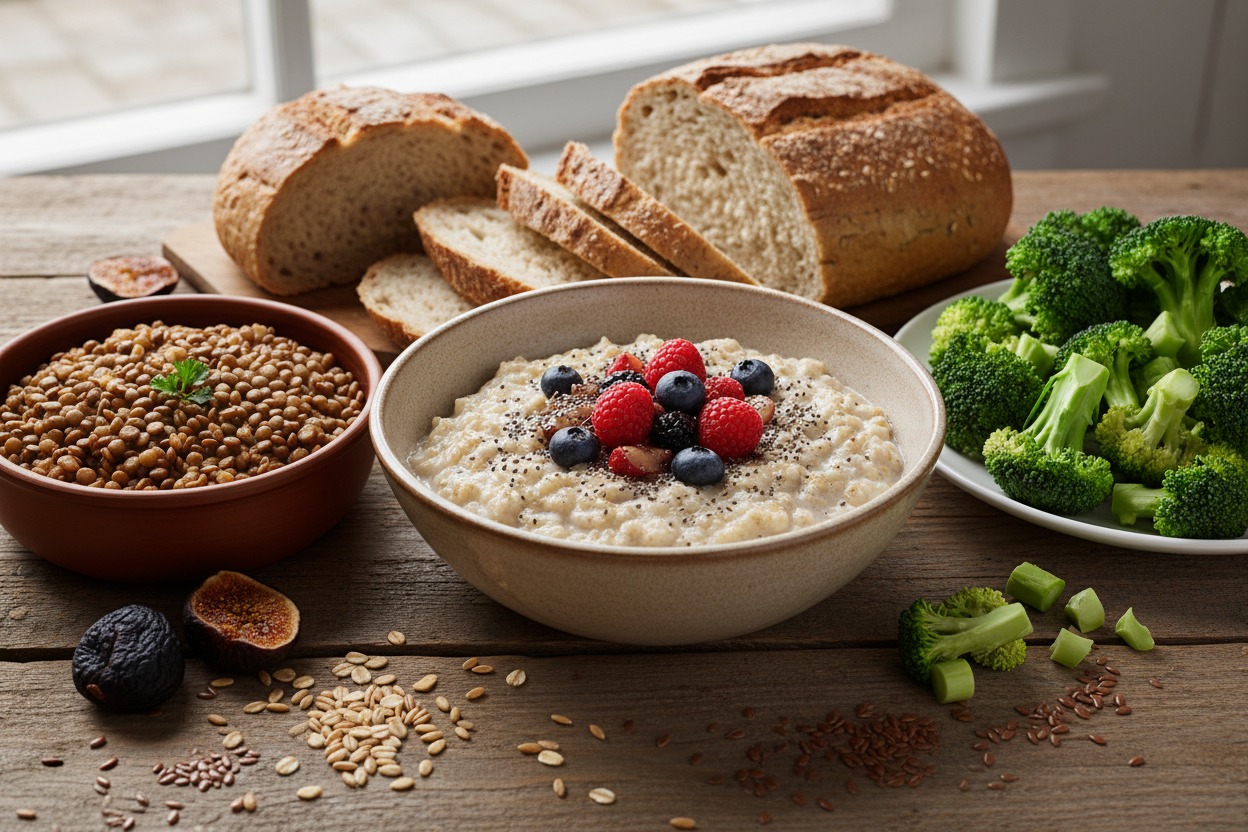
1. Oats Oats contain beta-glucan, a type of soluble fiber that acts as a prebiotic — meaning it feeds the good bacteria already living in your gut. They’re also gentle on sensitive stomachs, making them one of the most practical gut-friendly breakfast foods you can add to your routine.
2. Lentils and Legumes Lentils, chickpeas, black beans — these are fiber-rich foods that also deliver plant-based protein and resistant starch. Resistant starch passes through the small intestine undigested, reaching the colon where it ferments and feeds beneficial bacteria.
3. Whole Grains (Quinoa, Brown Rice, Barley) Whole grains retain their bran and germ layers, which means more fiber and more microbiome-supportive nutrients than their refined counterparts. Barley in particular is rich in beta-glucan, similar to oats.
4. Apples An apple a day might actually have some truth behind it. Apples contain pectin, a type of soluble fiber that increases butyrate production — a short-chain fatty acid that nourishes colon cells and supports intestinal health.
5. Broccoli and Cruciferous Vegetables Broccoli, Brussels sprouts, and cabbage are high in fiber and contain sulfur-containing compounds that support a healthy gut lining. A 2019 study found that broccoli consumption helped reduce gut inflammation in mice — and researchers are actively exploring these effects in humans.
Probiotic Foods for Gut Health — Live Cultures That Work for You#
Probiotic foods contain live beneficial microorganisms that, when consumed in adequate amounts, support the microbial balance in your gut. Think of them as direct reinforcements.
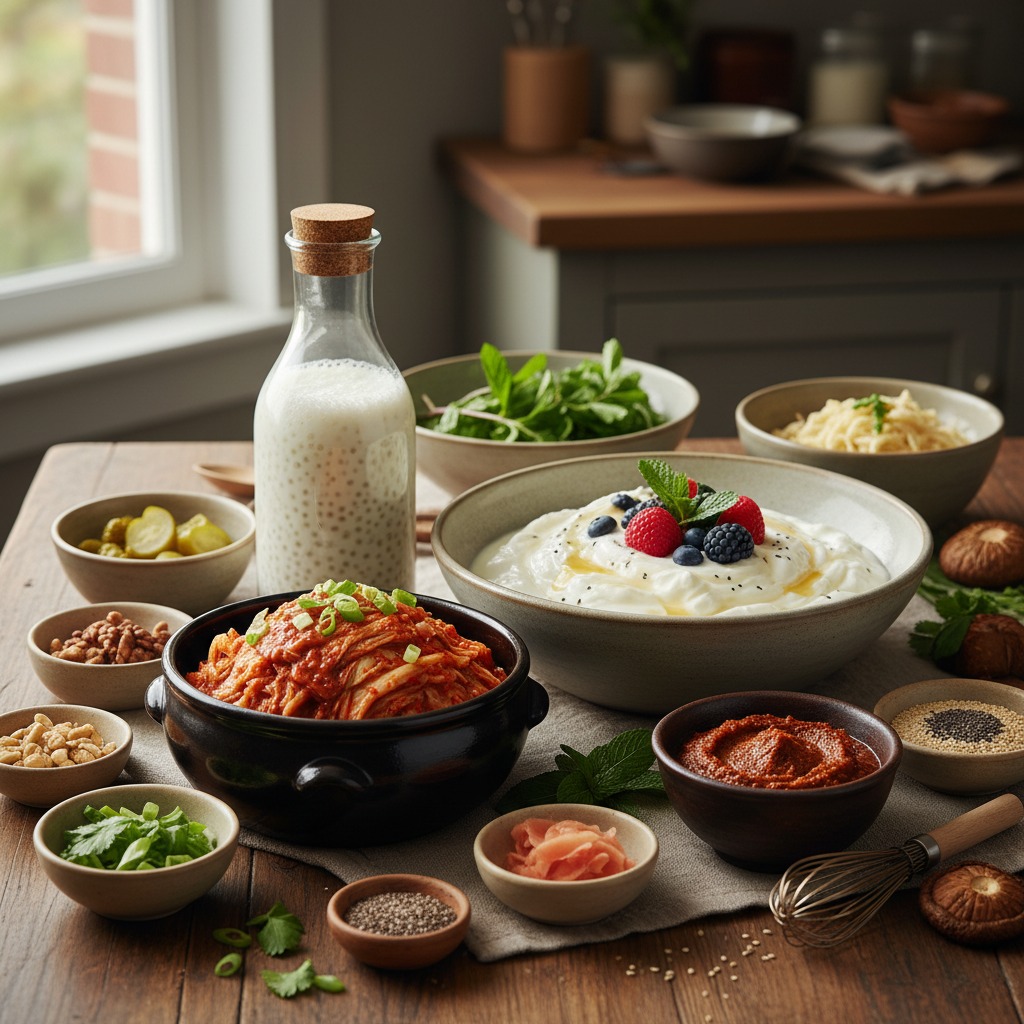
6. Yogurt Classic for a reason. Plain, full-fat yogurt with live and active cultures is one of the most accessible probiotic foods available. Look for labels that say “contains live active cultures” — not all yogurts qualify. Greek yogurt also delivers a solid protein punch alongside its gut benefits.
7. Kefir Think of kefir as yogurt’s more potent cousin. It’s a fermented milk drink that typically contains a wider variety of bacterial strains than yogurt, plus beneficial yeasts. Research suggests kefir may help improve lactose digestion even in people who are lactose intolerant, since the fermentation process breaks down much of the lactose.
8. Kimchi Kimchi is a Korean fermented vegetable dish — usually cabbage or radishes — seasoned with chili paste, garlic, and ginger. It’s rich in Lactobacillus bacteria and also delivers anti-inflammatory compounds from its spices. It’s one of those foods that tastes bold and delivers on the gut-health front simultaneously.
9. Sauerkraut Unpasteurized sauerkraut (the kind in the refrigerator section, not the shelf-stable can) is loaded with Lactobacillus strains. It’s also high in vitamin C and antioxidants. A small serving — even just two tablespoons — alongside a meal can make a difference.
10. Miso A fermented soybean paste used widely in Japanese cuisine, miso contains beneficial bacteria and enzymes. Miso soup is an easy, low-calorie way to add fermented foods for gut health to your daily routine, especially at dinner.
11. Tempeh Tempeh is fermented soybeans pressed into a firm block. Unlike tofu, it’s a fermented food with probiotic benefits and a higher protein content. It’s also a complete protein, which makes it particularly useful for plant-based eaters.
Prebiotic Foods — Fuel for Your Good Bacteria#
If probiotics are the beneficial bacteria, prebiotics are their food supply. Eating plenty of prebiotic-rich foods ensures your existing good bacteria have what they need to multiply and thrive.
12. Garlic Garlic contains inulin and fructooligosaccharides (FOS) — both powerful prebiotics. It’s also antimicrobial, which means it may help keep harmful bacteria in check while supporting beneficial ones. Raw garlic has the highest prebiotic activity, but cooked garlic still delivers.
13. Onions Onions are among the richest dietary sources of inulin. Like garlic, they feed Bifidobacterium bacteria, which are consistently associated with better gut health and reduced bloating. Leeks and shallots are in the same family and offer similar benefits.
14. Asparagus Asparagus is one of the best prebiotic foods, thanks again to its inulin content. It also contains polyphenols, which have antioxidant effects in the gut. Roasted, grilled, or raw — it’s a flexible, gut-supportive vegetable.
15. Bananas (Especially Slightly Underripe) Here’s a nuance most people miss: slightly underripe bananas are higher in resistant starch than fully ripe ones. That resistant starch acts as a prebiotic, feeding good bacteria in the colon. Fully ripe bananas still have value — they’re rich in pectin and easier to digest — but if you’re going for maximum prebiotic effect, slightly green works better.
16. Jerusalem Artichokes (Sunchokes) These knobby root vegetables are one of the highest sources of inulin per serving of any food. They’re worth tracking down at a farmers market or specialty grocery store if you’re serious about feeding your microbiome.
Anti-Inflammatory Gut Supporters#
17. Blueberries and Polyphenol-Rich Berries Blueberries, raspberries, and blackberries are rich in polyphenols — plant compounds that act as antioxidants and feed beneficial gut bacteria. Research from King’s College London has shown that polyphenols from berries can increase the diversity of the gut microbiome, which is one of the key markers of gut health.
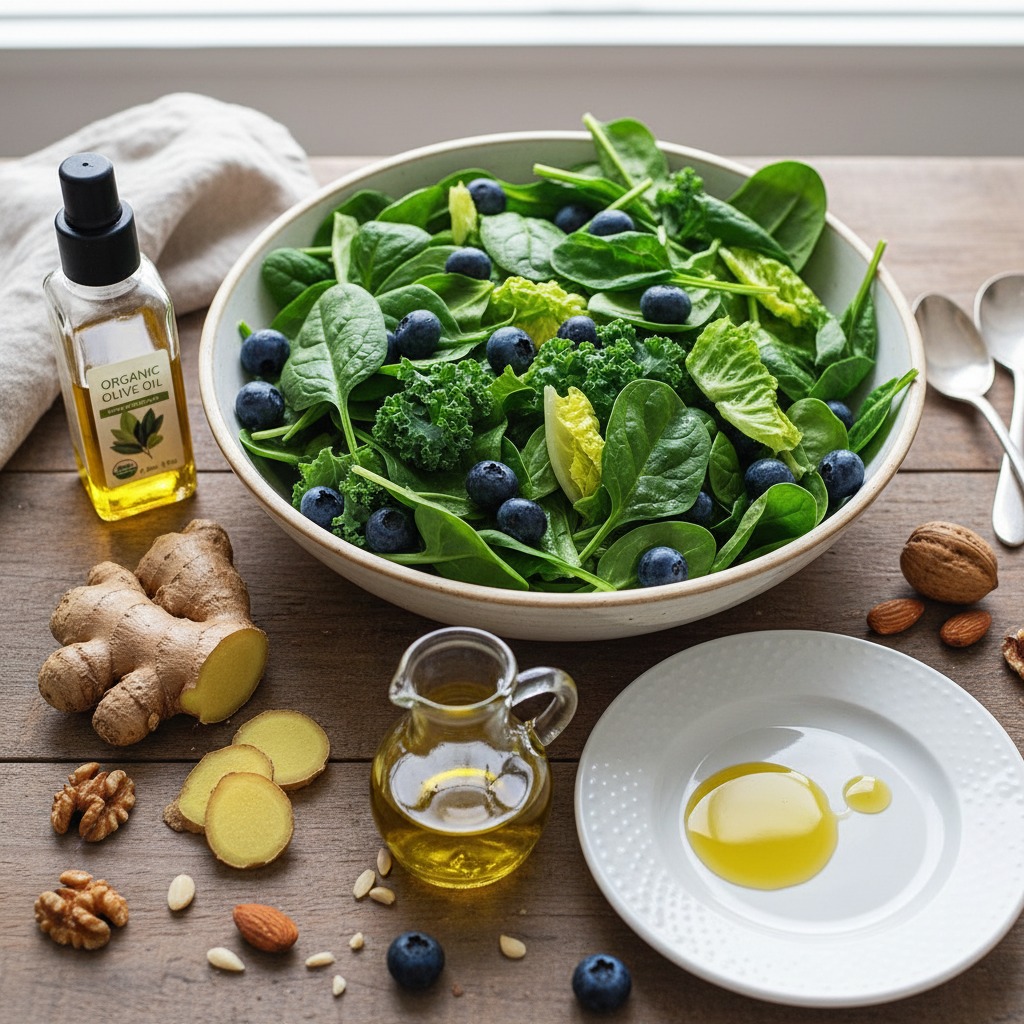
18. Ginger Ginger has well-documented anti-nausea properties, but it also supports gut motility — meaning it helps food move through your digestive system more efficiently. Fresh ginger in tea, smoothies, or stir-fries is an easy addition to a gut-friendly diet.
19. Leafy Greens (Spinach, Kale, Swiss Chard) Leafy greens are rich in fiber, folate, and a unique sugar molecule called sulfoquinovose (SQ), which may selectively feed beneficial gut bacteria. They’re also among the most nutrient-dense foods on the planet by calorie, making them a gut health and overall health no-brainer.
20. Extra Virgin Olive Oil The Mediterranean diet’s cornerstone ingredient has proven anti-inflammatory effects. Extra virgin olive oil contains oleic acid and polyphenols that support the growth of beneficial bacteria and may help reduce gut inflammation. Drizzle it on vegetables, use it in dressings, or use it as your primary cooking fat.
Quick-Reference Table: Best Gut Health Foods at a Glance#
| Food | Type | Key Benefit | Easiest Way to Add It |
|---|---|---|---|
| Oats | Prebiotic/Fiber | Feeds good bacteria, reduces inflammation | Overnight oats or stovetop porridge |
| Yogurt (plain) | Probiotic | Adds live beneficial cultures | Breakfast or snack with berries |
| Kimchi | Probiotic | Diverse bacterial strains, anti-inflammatory | Side dish or mixed into rice bowls |
| Garlic | Prebiotic | Feeds Bifidobacterium, antimicrobial | Cook into nearly everything |
| Blueberries | Polyphenol | Increases microbiome diversity | Smoothies, yogurt topping, snack |
| Lentils | Fiber/Prebiotic | Resistant starch, plant protein | Soups, salads, grain bowls |
| Kefir | Probiotic | Wide bacterial diversity | Drink plain or blend into smoothies |
| Asparagus | Prebiotic | Inulin-rich, feeds good bacteria | Roasted as a side dish |
| Broccoli | Fiber/Anti-inflammatory | Supports gut lining integrity | Roasted, steamed, or raw |
| Olive oil | Anti-inflammatory | Polyphenols support good bacteria | Salad dressings, cooking |
How to Build a Gut-Friendly Diet (Without Overhauling Your Life)#
You don’t need a dramatic transformation. Small, consistent shifts add up more than you’d expect.
Start with one fermented food per day. It doesn’t have to be kimchi if you’re not into that. Even a small serving of plain yogurt counts. The goal is regularity, not perfection.
Aim for 30 different plant foods per week. This sounds like a lot, but it includes herbs, spices, nuts, seeds, and legumes — not just vegetables and fruits. Research from the American Gut Project found that people who ate 30+ plant varieties per week had significantly more diverse gut microbiomes than those eating 10 or fewer.
Prioritize fiber at every meal. Add a handful of spinach to your scrambled eggs. Toss lentils into your soup. Top your rice bowl with kimchi. These aren’t extreme changes — they’re just strategic additions.
Hydrate consistently. Fiber absorbs water, and without adequate hydration, more fiber can actually worsen digestive discomfort. Aim for at least 8 cups of water daily, more if you’re active.
Foods to Avoid for Gut Health#
Equally important as what you eat is what you limit. These are the biggest dietary disruptions to gut health:
- Ultra-processed foods — High in additives, emulsifiers, and artificial sweeteners that disrupt the microbiome
- Excessive added sugar — Feeds harmful bacteria and may reduce beneficial Lactobacillus populations
- Alcohol — Disrupts gut barrier function and reduces microbial diversity with heavy use
- Red and processed meats in excess — Associated with lower gut microbiome diversity in large dietary studies
- Artificial sweeteners (especially saccharin and sucralose) — Emerging research suggests these may negatively alter gut bacteria, though more human studies are needed
This isn’t about perfection or elimination. It’s about tipping the balance in your favor more often than not.
You May Also Like: 10 Surprising Benefits of Exercising Every Day (Most People Miss #7)
6. FAQ SECTION#
What are the best foods for gut health?#
The best foods for gut health combine fiber, probiotics, and prebiotics. Top choices include yogurt, kefir, kimchi, sauerkraut, oats, garlic, onions, bananas, lentils, and berries. These work together to feed good bacteria, add live cultures, and support the gut lining.
What foods help with bloating?#
For bloating, focus on foods that ease gas and support healthy digestion: ginger, fennel, plain yogurt with live cultures, bananas, and cooked vegetables. Avoid carbonated drinks, excess raw cruciferous vegetables (if you’re sensitive), and high-fructose foods when bloating is severe.
Are fermented foods really good for gut health?#
Yes — fermented foods for gut health are among the most well-supported dietary interventions. A 2021 Stanford study published in Cell found that a high-fermented food diet increased microbiome diversity and reduced inflammatory markers significantly compared to a high-fiber diet alone.
What is the difference between prebiotics and probiotics?#
Probiotics are live bacteria found in fermented foods and supplements. Prebiotics are the fiber-based food that feeds those bacteria. You need both: probiotics add new good bacteria, while prebiotics help the ones you already have flourish. Together, they’re called synbiotics.
What foods should I avoid for gut health?#
Limit ultra-processed foods, excess added sugar, heavy alcohol consumption, and artificial sweeteners. These can disrupt the balance of your gut microbiome over time by feeding harmful bacteria and reducing microbial diversity.
How do I improve gut health naturally?#
Eat more fiber (aim for 25–38g daily), include at least one fermented food daily, stay well hydrated, aim for 30 different plant foods per week, manage stress, and get adequate sleep. These lifestyle factors all influence your microbiome significantly.
Can food really change the gut microbiome?#
Yes, and faster than most people expect. Research shows that dietary changes can begin altering microbiome composition within 48–72 hours. Long-term dietary patterns have the most significant impact, but even short-term shifts can influence which bacterial species are most active in your gut.
What are the best gut health foods for beginners?#
Start simple: add plain yogurt or kefir to your morning, include a serving of oats or whole grain bread, and try to eat at least five servings of vegetables and fruit daily. These basics alone will move the needle on most people’s gut health before you even reach for anything exotic like tempeh or Jerusalem artichokes.
Conclusion: Feed Your Gut Like It Matters#
Because it does. Your gut microbiome is one of the most influential — and underappreciated — aspects of your health. And unlike a lot of things in your health journey, it responds directly and measurably to what you eat.
You don’t need a strict protocol. You don’t need to spend a fortune on supplements. You need a consistent diet rich in fiber, fermented foods, and a diverse range of plant foods — and you need to pair that with the habits that support good digestion: hydration, stress management, and adequate sleep.
Start with two or three of the foods on this list. Add one fermented food to your daily routine. Aim for more plants, more variety, and less ultra-processed convenience. Give it a few weeks. Pay attention to how you feel — your energy, your digestion, your mood.
The research keeps confirming what your gut has been trying to tell you all along: what you eat is one of the most powerful tools you have.
Have a favorite gut-health food that didn’t make the list? Drop it in the comments — we’d love to hear what’s been working for you.