11 Best High-Protein Bedtime Snacks for Better Sleep, According to Dietitians and Sleep Science
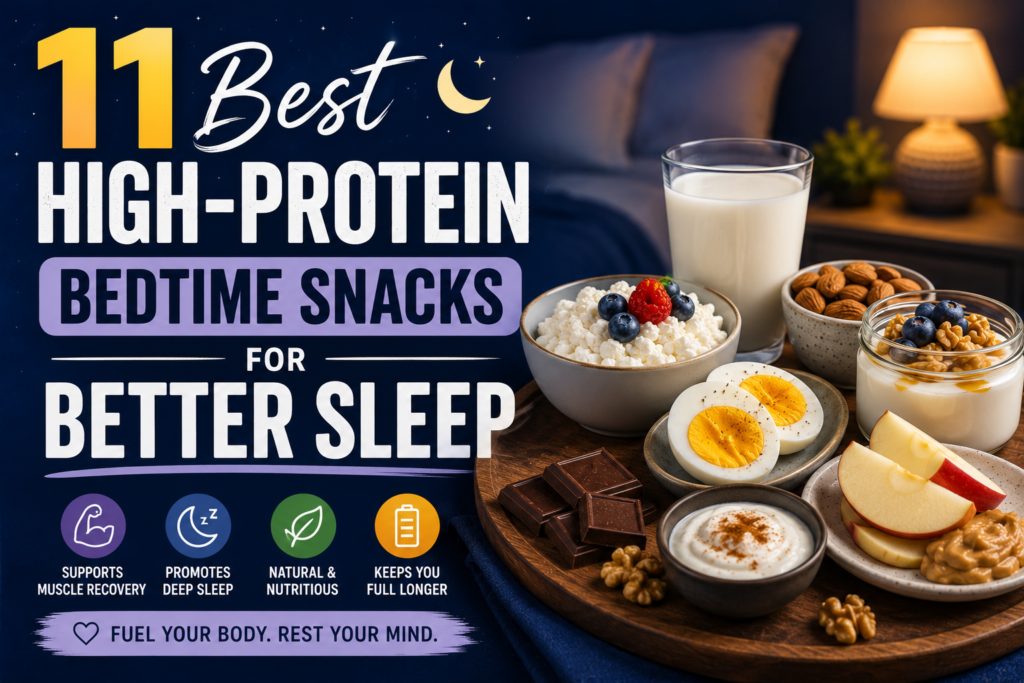
Looking for the Best High-Protein Bedtime Snacks to improve your evening routine? If you’ve ever lain awake at 11 p.m. debating whether a snack will help or hurt your sleep, you’re not alone. The old advice to “never eat before bed” is outdated — what actually matters is what you eat. Research increasingly points to protein-rich, low-sugar snacks as a smart choice for supporting steady blood sugar, muscle recovery, and the body’s natural production of sleep-related hormones.
In this guide, you’ll find 11 dietitian-backed options, the science behind why they work, a quick-reference comparison table, and practical guidance on portion size and timing — so you can stop guessing and start sleeping better.
Table of Contents
Can Eating Protein Before Bed Actually Improve Sleep?
Yes, for most healthy adults, a small protein-rich snack before bed can support better sleep — though it’s a supporting player, not a magic fix. Here’s the science behind it.

The Science: Tryptophan, Serotonin, and Melatonin
Certain protein-rich foods contain tryptophan, an amino acid your body uses to produce serotonin, which is then converted into melatonin — the hormone that helps regulate your sleep-wake cycle. Foods like turkey, dairy, eggs, and nuts naturally contain tryptophan, which is part of why they’ve long been associated with sleepiness.
That said, tryptophan needs carbohydrates to cross into the brain more efficiently, which is why many sleep-friendly snacks pair protein with a modest amount of natural carbs, like fruit.
Protein, Blood Sugar, and Sleep Quality
Stable blood sugar overnight appears to matter more than most people realize. Diets high in added sugar and refined carbohydrates have been linked to more nighttime wake-ups, while fiber-rich foods have been associated with more time spent in restorative, slow-wave sleep. Pairing protein with fiber and healthy fat helps slow digestion and prevent the blood sugar spikes and crashes that can fragment sleep.
Protein and Overnight Muscle Recovery
If you exercise regularly, there’s an added bonus: slow-digesting proteins, particularly casein (found in dairy like cottage cheese and Greek yogurt), release amino acids gradually throughout the night. Some research in sports nutrition suggests this can support overnight muscle protein synthesis, making a bedtime snack useful for active people, not just those chasing better sleep.
What Makes a Snack “Sleep-Friendly”? (The Criteria)
Every snack on this list meets four criteria:
- 10–20 grams of protein, ideally with some slow-digesting casein or a mix of protein sources
- Low in added sugar, to avoid blood sugar spikes
- A modest amount of fiber, healthy fat, or complex carbs, for steady digestion
- Roughly 150–250 calories, light enough to avoid discomfort but filling enough to prevent hunger wake-ups
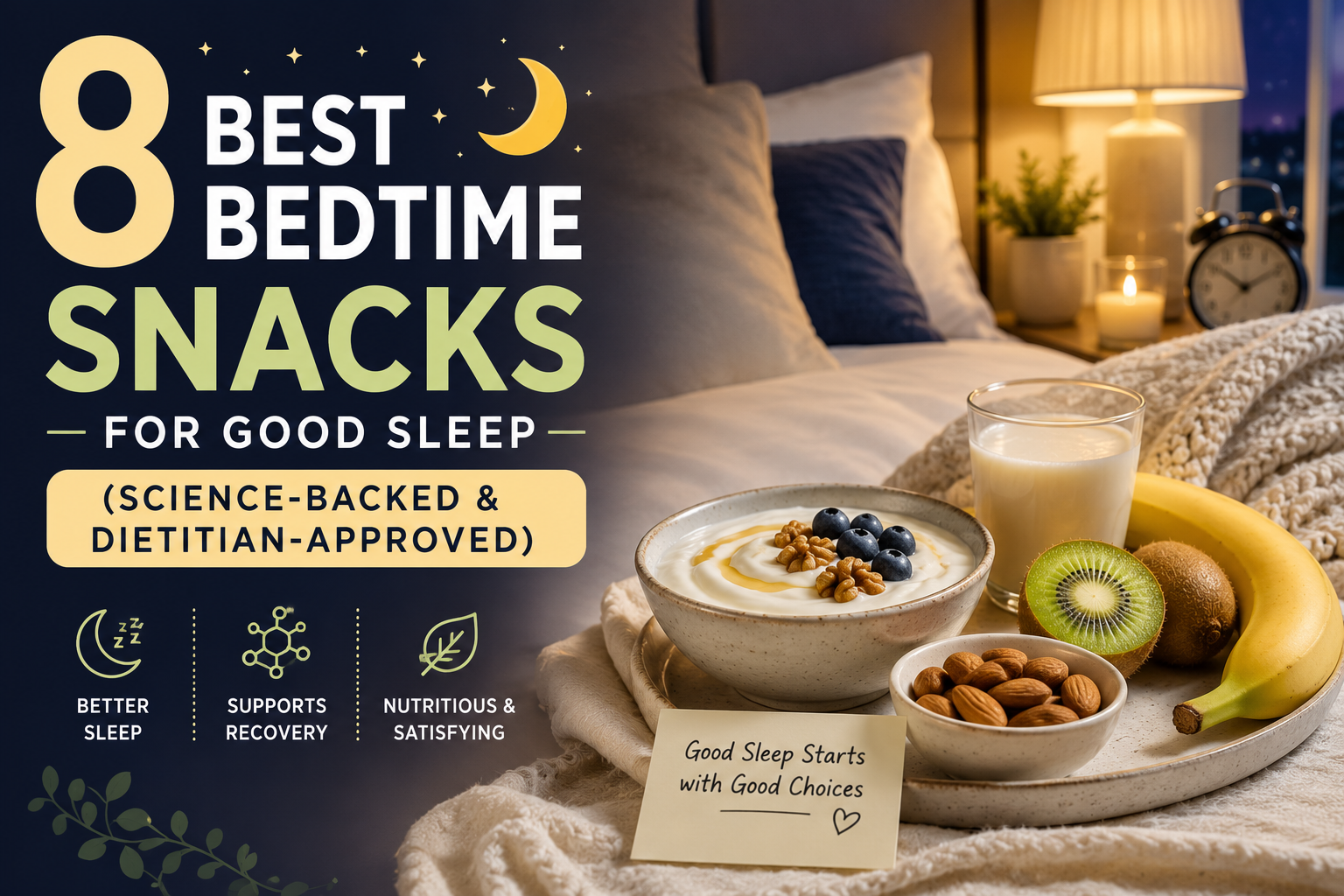
Read Also: 8 Best Bedtime Snacks for Good Sleep (Science-Backed & Dietitian-Approved)
The 11 Best High-Protein Bedtime Snacks
1. Cottage Cheese with Berries
Cottage cheese is rich in casein, the slow-digesting protein that fuels overnight muscle repair, and pairing it with berries adds fiber and natural sweetness without added sugar. It’s one of the most frequently recommended bedtime snacks among dietitians for exactly this combination.
2. Greek Yogurt with Pumpkin Seeds
Greek yogurt delivers a hearty dose of protein along with probiotics, while pumpkin seeds contribute magnesium — a mineral involved in muscle relaxation and often associated with sleep quality. Top with a few tart cherries for a melatonin-containing boost.
3. Turkey and Cheese Roll-Ups
Turkey is one of the most tryptophan-rich common foods, and pairing lean turkey slices with a bit of cheese adds protein without excess carbs. Roll them up with a leaf of lettuce for a low-effort, no-cook option.
4. Small Casein or Whey Protein Shake
A half-serving protein shake (mixed with water or milk) is a quick way to hit your protein target without overloading on volume before bed. Casein-based powders are digested more slowly, making them a better late-night pick than fast-digesting whey alone.
5. Hard-Boiled Eggs
Eggs are a complete protein and naturally contain tryptophan. One or two hard-boiled eggs make a portable, low-carb option that’s easy to prep in advance for busy weeknights.
6. Banana with Almond Butter
This classic combo pairs a natural carbohydrate source with the healthy fats and protein in almond butter, which can help stabilize blood sugar levels overnight. Bananas also provide potassium and magnesium, both linked to muscle relaxation.
You May Also Like: Banana Before Bed Good for Sleep? 5 Proven Expert Facts!
7. Edamame
For plant-based eaters, edamame is a standout: a half-cup provides roughly 8–9 grams of complete protein along with fiber and magnesium. Steam it and sprinkle with a little sea salt for a satisfying, low-effort snack.
8. Hummus with Veggies
Hummus, made from protein- and fiber-rich chickpeas, pairs well with crunchy vegetables like bell peppers or cucumber. It’s a lighter option for anyone who wants something savory without dairy or meat.
9. Tart Cherry and Greek Yogurt Bowl
Tart cherries are one of the few foods that naturally contain melatonin, and combining them with protein-rich Greek yogurt makes for a snack that checks both the protein and sleep-hormone boxes.
10. Chia Seed Pudding
Chia seeds absorb liquid and expand, forming a pudding-like texture packed with fiber, plant protein, and magnesium. Make it with milk (dairy or fortified plant milk) the night before for a ready-to-eat snack.
11. Protein Bar (Choose Carefully)
Not all protein bars are created equal. Look for one with at least 10 grams of protein, under 8 grams of added sugar, and recognizable ingredients. This is the most convenient option for travel or busy nights, but it’s worth reading the label closely.
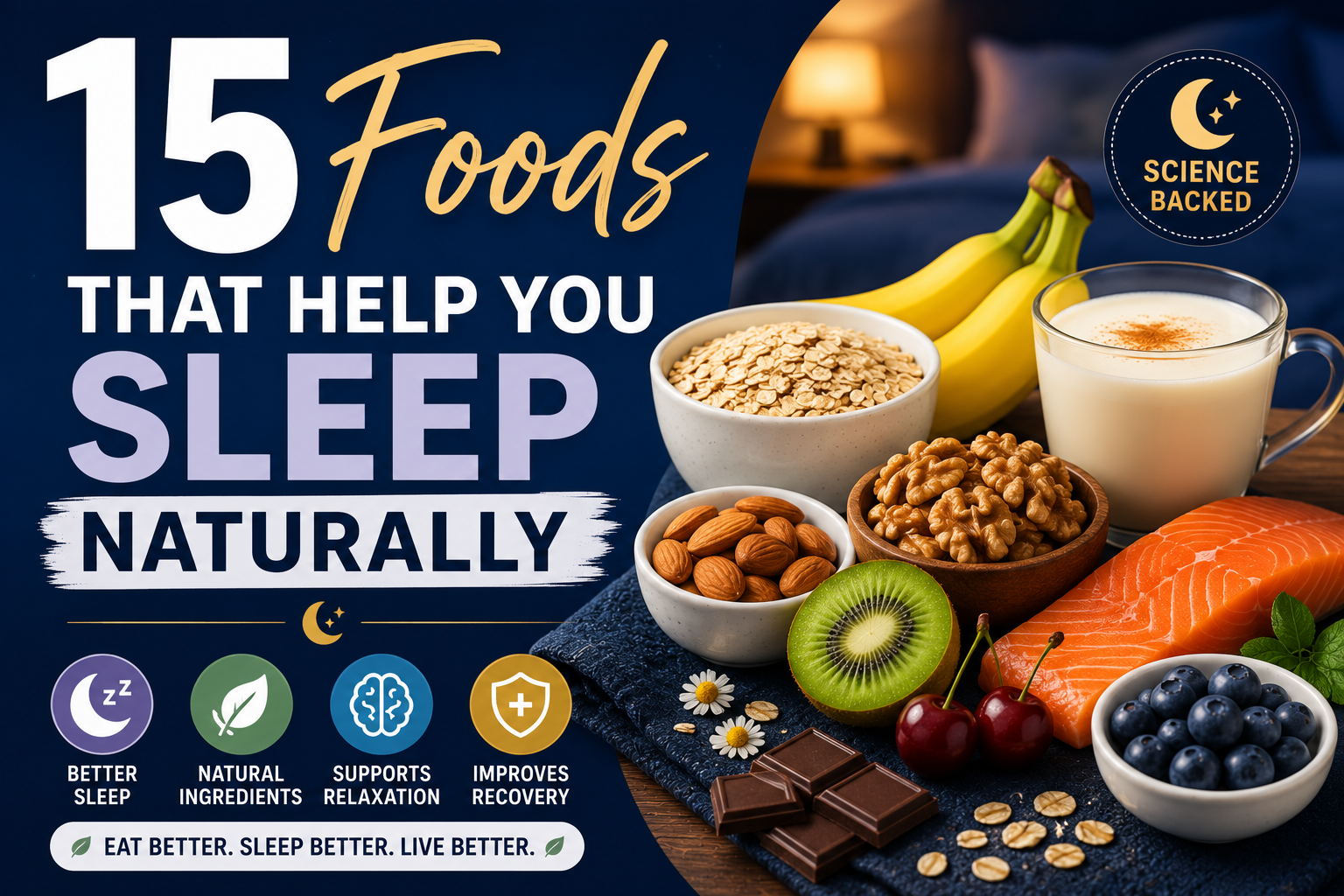
Read Also: 15 Foods That Help You Sleep Naturally (Backed by Sleep Science)
Comparison Table: Protein, Calories, and Sleep-Supporting Nutrients
| Snack | Protein (approx.) | Calories (approx.) | Key Sleep Nutrient | Best For |
|---|---|---|---|---|
| Cottage cheese with berries | 14–18g | 150–180 | Casein, fiber | Overnight fullness |
| Greek yogurt with pumpkin seeds | 15–18g | 170–200 | Magnesium, casein | Muscle recovery |
| Turkey and cheese roll-ups | 12–15g | 150–180 | Tryptophan | No-cook convenience |
| Casein/whey protein shake (half serving) | 12–15g | 100–150 | Slow-digesting protein | Quick prep |
| Hard-boiled eggs (2) | 12g | 140 | Tryptophan | Low-carb needs |
| Banana with almond butter | 5–6g | 200–230 | Magnesium, potassium | Sweet cravings |
| Edamame (½ cup) | 8–9g | 100 | Magnesium, fiber | Plant-based diets |
| Hummus with veggies | 7–8g | 150–180 | Fiber | Savory, dairy-free |
| Tart cherry Greek yogurt bowl | 14–16g | 160–190 | Melatonin, casein | Sleep-hormone support |
| Chia seed pudding | 6–8g | 180–200 | Fiber, magnesium | Prep-ahead convenience |
| Protein bar (quality check) | 10–20g | 180–220 | Varies | On-the-go nights |
Values are approximate and will vary by brand, portion, and specific ingredients.
How Much and When to Eat Before Bed
Ideal Portion Size
Aim for roughly 150–250 calories and 10–20 grams of protein. This is enough to prevent hunger-driven wake-ups without leaving you too full to fall asleep comfortably.
Timing: 30–60 Minutes Before Bed
Eating too close to lying down can cause discomfort or acid reflux for some people. A window of 30 to 60 minutes before bed generally allows enough time for early digestion to begin without keeping you up.
Signs You Should Skip the Snack Instead
If you regularly experience heartburn, bloating, or general digestive discomfort at night, a bedtime snack may not be right for you — even a healthy one. In that case, focus on a well-balanced dinner earlier in the evening instead.
Snacks and Ingredients to Avoid Before Bed
- Sugary foods and refined carbs (candy, white bread, pastries) — linked to more nighttime awakenings
- Caffeine, including chocolate and some teas — even small amounts eaten late in the day can disrupt sleep for sensitive individuals
- High-sodium snacks — can contribute to fluid retention and disrupted sleep for some people
- Large, heavy, or fried meals — harder to digest and more likely to cause discomfort
- Excess alcohol — while it may make you feel drowsy initially, it fragments sleep later in the night
Read Also: 9 Foods That Keep You Awake at Night (And Why They Disrupt Sleep)
Beyond Snacking: Other Evidence-Based Sleep Habits
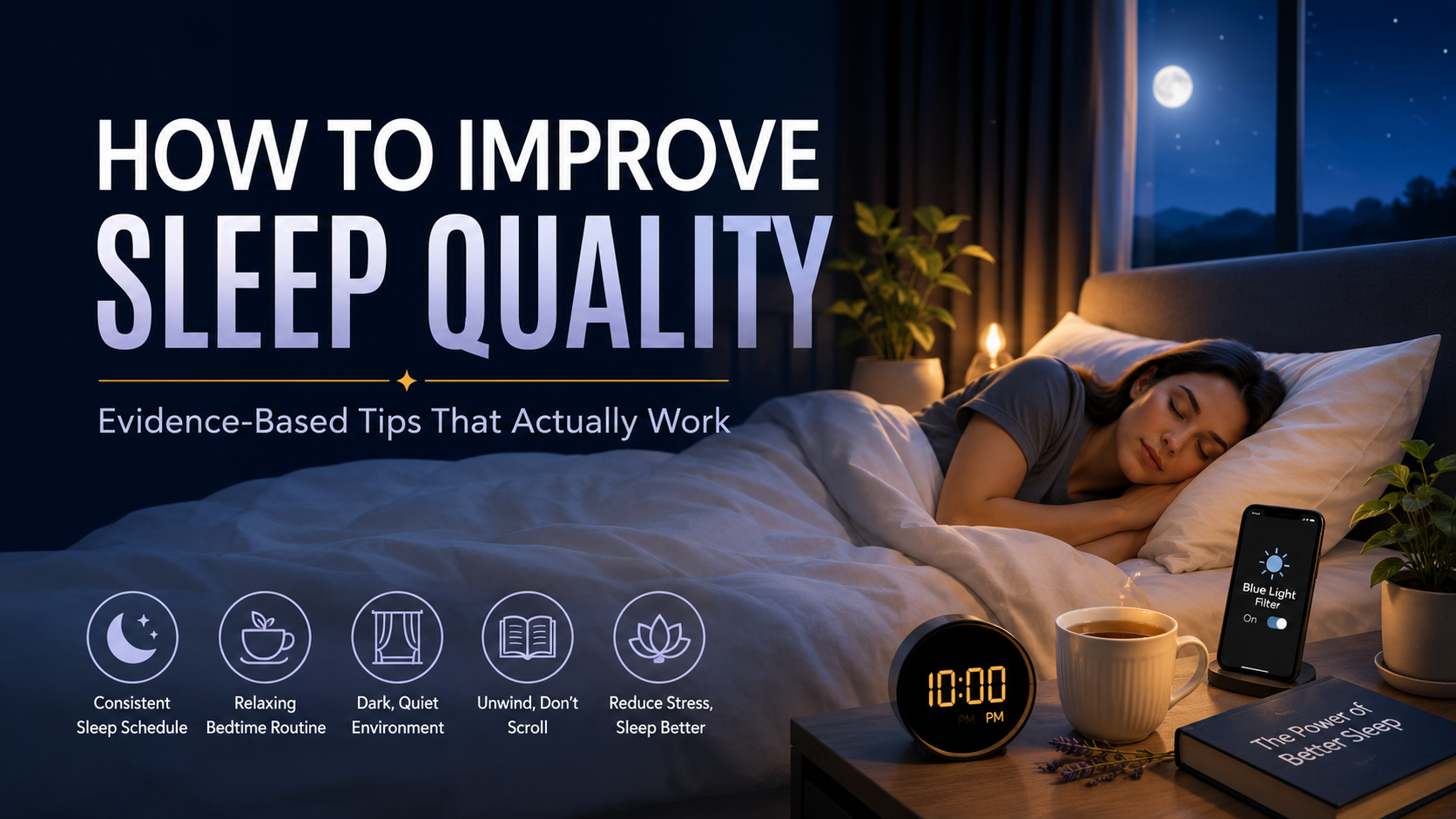
A good bedtime snack works best as part of a broader sleep routine. The American Academy of Sleep Medicine and the CDC both emphasize the fundamentals: keep a consistent sleep and wake schedule (even on weekends), limit screen exposure and bright light in the hour before bed, get regular daytime exercise, and keep your bedroom cool, dark, and quiet. If you’ve read our guide to improving sleep quality, pair these habits with the snack choices above for the most complete approach.
You May Also Like: Improve Sleep Quality: Evidence-Based Tips That Work
Key Takeaways
- A small, balanced high-protein snack 30–60 minutes before bed can support steady blood sugar and better sleep quality for many adults.
- Casein-rich foods like cottage cheese and Greek yogurt are especially well-suited for overnight release of amino acids.
- Tryptophan-containing foods (turkey, dairy, eggs, nuts) support the body’s natural serotonin-to-melatonin pathway.
- Keep portions to roughly 150–250 calories and 10–20 grams of protein.
- Avoid added sugar, caffeine, high sodium, and heavy or fried foods close to bedtime.
- A good snack works best alongside consistent sleep habits, not as a replacement for them.
Conclusion
The right bedtime snack won’t replace a consistent sleep schedule or a dark, cool bedroom, but it can be a genuinely useful piece of your nightly routine. Start with one or two of the options above — cottage cheese and berries or a banana with almond butter are easy places to begin — and pay attention to how your body responds. Small, evidence-based changes like this are often the ones that stick.
This article is for general informational purposes and isn’t a substitute for personalized medical or nutritional advice. If you have ongoing sleep issues, talk to a healthcare provider or registered dietitian.
Frequently Asked Questions
Is it bad to eat protein right before bed?
Not for most healthy adults. A small, balanced protein snack is generally fine and may even support better sleep quality, as long as it’s eaten 30–60 minutes before lying down and isn’t overly large.
What is the best high-protein snack for sleep?
Cottage cheese with berries is one of the most commonly recommended options, thanks to its combination of slow-digesting casein protein, fiber, and low sugar content.
Does cottage cheese really help you sleep?
It may help indirectly. Cottage cheese is rich in casein protein and contains tryptophan, both of which support steady overnight amino acid release and the body’s serotonin-melatonin pathway, though it isn’t a guaranteed sleep aid.
How much protein should I eat before bed?
Most guidance suggests 10–20 grams, roughly the amount in a cup of Greek yogurt or two eggs, is enough to be beneficial without being excessive.
Can eating before bed cause weight gain?
Weight gain is driven by total daily calorie intake and overall diet quality, not simply the timing of a snack. A small, balanced bedtime snack fits within a healthy diet for most people.
What foods should I avoid before bedtime?
Limit added sugar, caffeine, high-sodium foods, heavy or fried meals, and excess alcohol close to bedtime, as each has been linked to disrupted or lower-quality sleep.
Is a protein shake good before bed?
Yes, particularly one made with casein or a blend, since it digests slowly overnight. Keep the portion modest (around half a normal serving) to avoid excess calories or discomfort.