15 Foods That Help You Sleep Naturally (Backed Science)
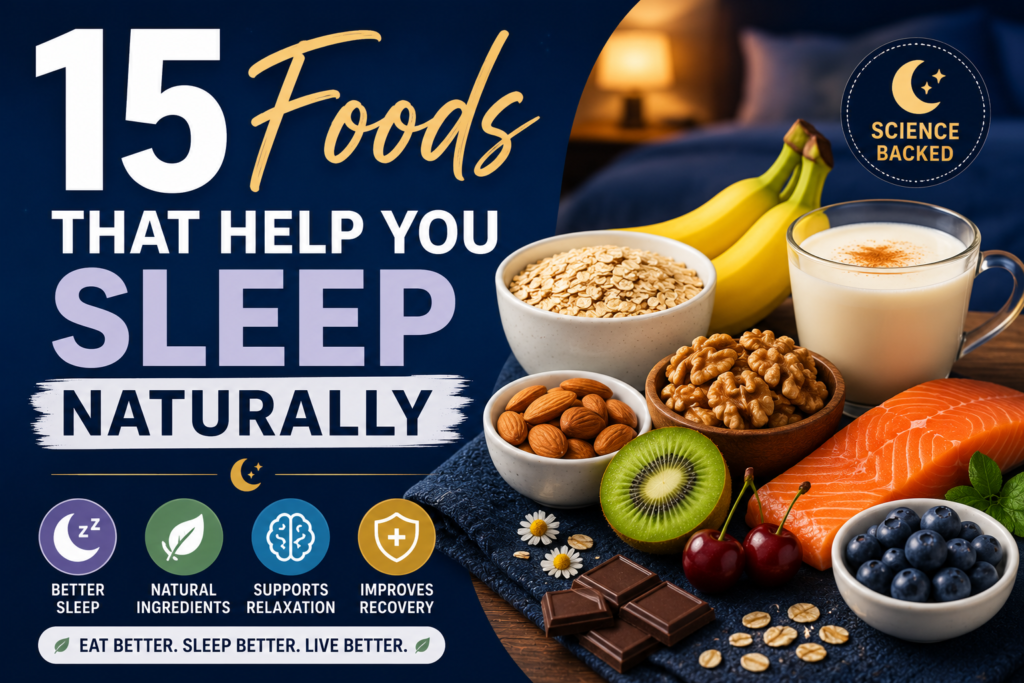
If you’ve ever wondered whether what’s on your dinner plate affects how well you sleep, the answer is yes. Foods that help you sleep naturally include fatty fish, tart cherries, kiwi, almonds, turkey, eggs, milk, oats, bananas, chamomile tea, tofu, sweet potatoes, and cheese — each supplying nutrients like melatonin, tryptophan, magnesium, or potassium that support your body’s natural wind-down process.
No single food is a cure for insomnia, and diet works best alongside good sleep habits. But the research on several of these foods is worth understanding, especially if you’re building an evening routine designed to help you fall asleep faster and stay asleep longer.
Table of Contents
How Food Affects Sleep: The Science Behind It
Before jumping into the list, it helps to know why these foods show up on it. Most sleep-supporting foods work through one of three pathways.
Melatonin and tryptophan — the sleep-hormone pathway
Melatonin is the hormone that signals to your brain that it’s time for sleep. Your body produces it naturally in response to darkness, but small amounts also occur in foods like tart cherries, milk, and oats. Tryptophan is an amino acid your body can’t make on its own — it has to come from food — and it’s a building block for both serotonin and, eventually, melatonin. Foods like turkey, eggs, and tofu are common tryptophan sources.
Magnesium, potassium, and muscle relaxation
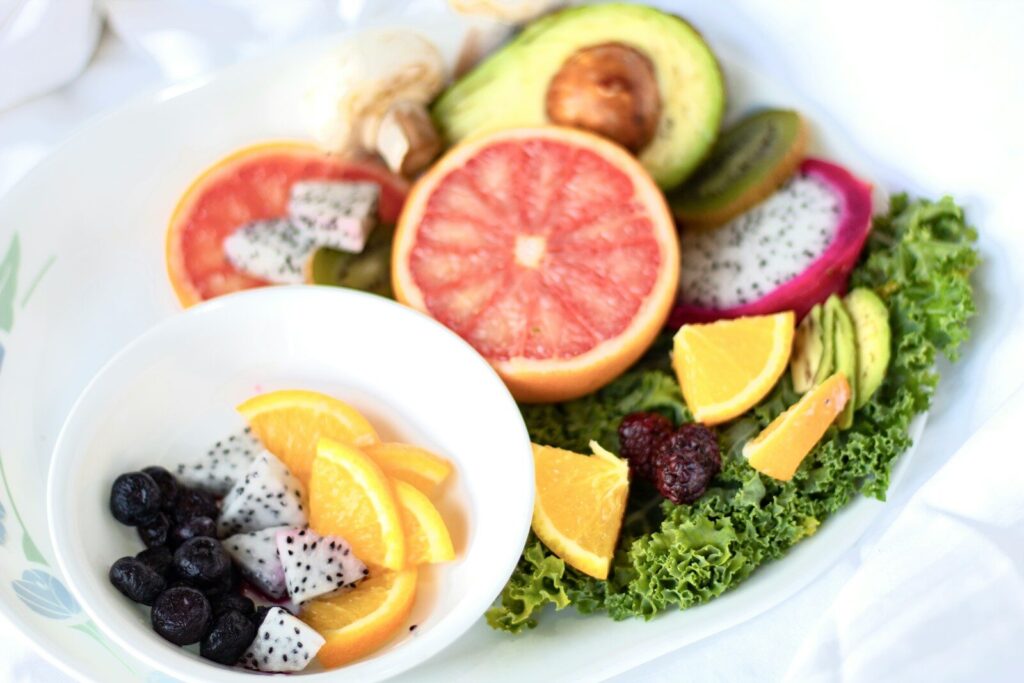
Magnesium plays a role in regulating the nervous system and may help muscles relax, while potassium is associated with fewer nighttime awakenings. Nuts, bananas, and leafy greens are reliable sources of both.
Blood sugar stability and nighttime awakenings
Foods that digest slowly and avoid sharp blood sugar spikes — complex carbs like oats and sweet potatoes, for example — may help you avoid the kind of blood sugar dip that can trigger a stress-hormone response and wake you up overnight.
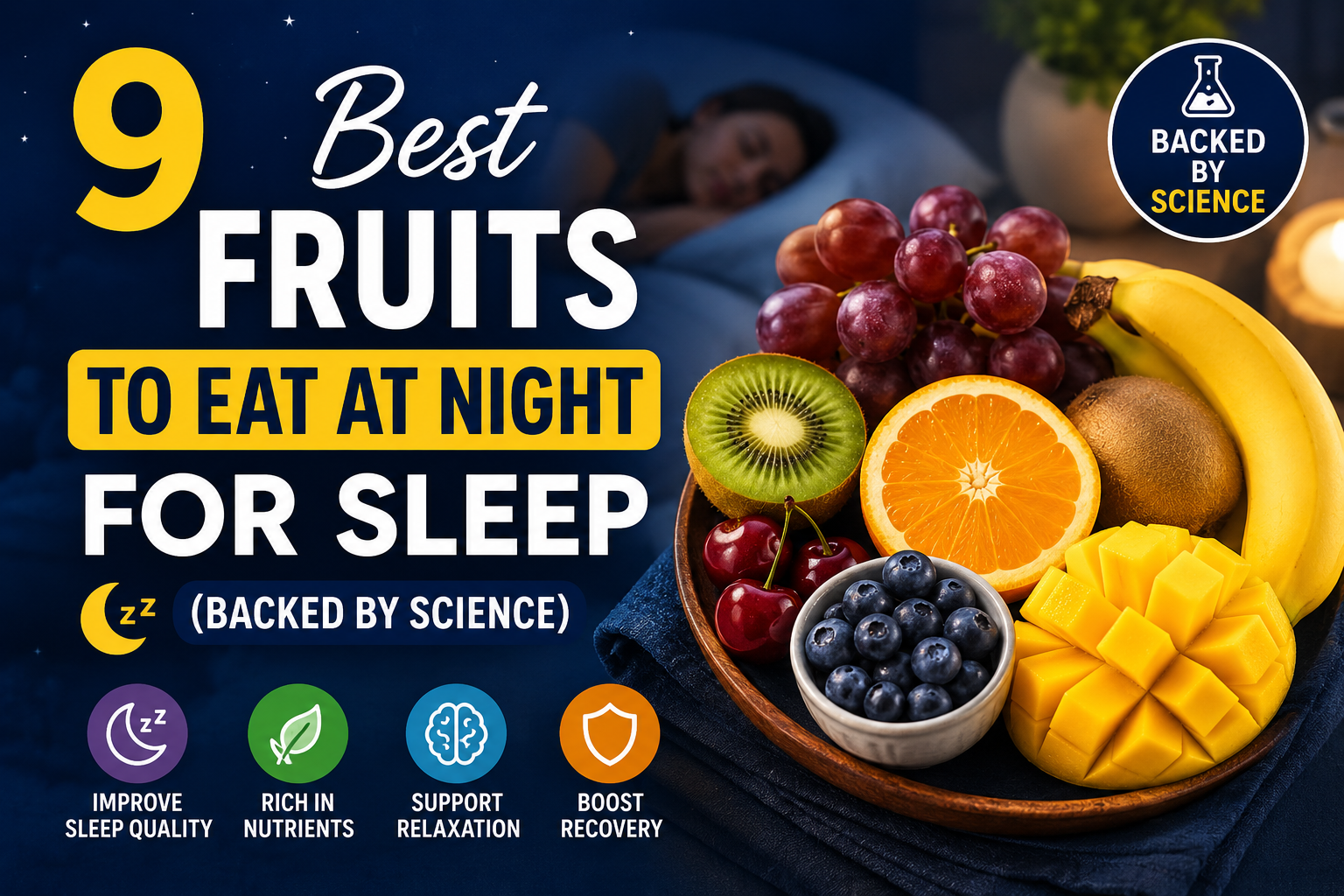
Read Also: 9 Best Fruits to Eat at Night for Sleep (Backed by Science)
15 Foods That Help You Sleep Naturally
1. Fatty Fish (Salmon, Trout)
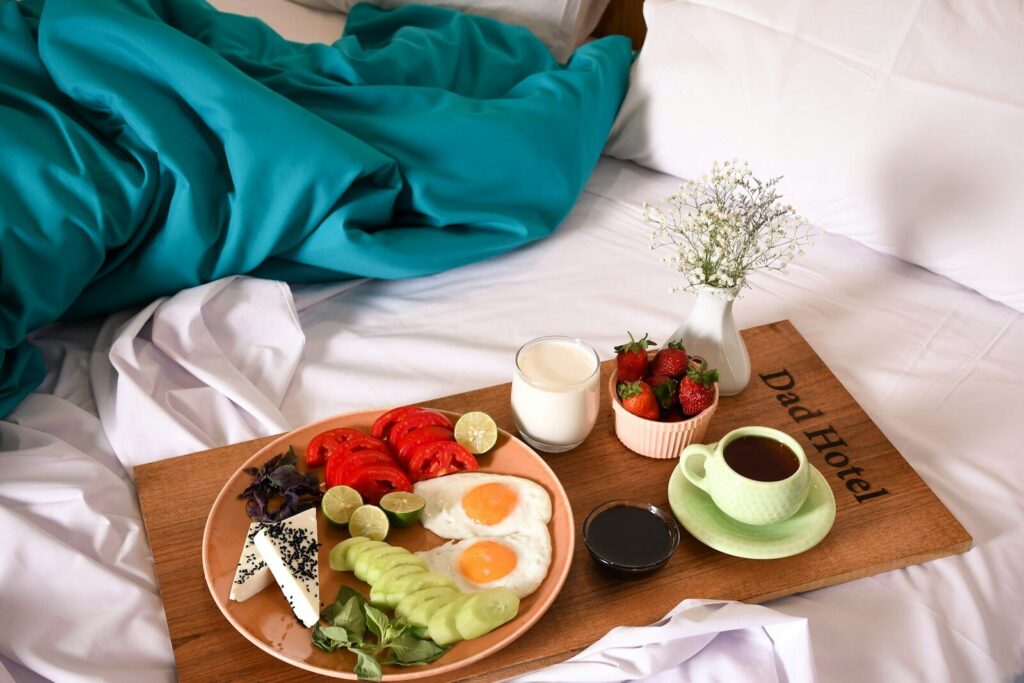
Fatty fish like salmon and trout are rich in omega-3 fatty acids, vitamin D, and tryptophan — a combination researchers believe may support serotonin regulation. Some research has linked higher omega-3 and vitamin D intake to better sleep quality, though more studies in this specific area are still needed.
Try it: A modest dinner portion (3–4 oz), ideally not the very last meal before bed since heavier proteins take longer to digest.
2. Tart Cherries and Tart Cherry Juice
Tart cherries, particularly the Montmorency variety, are one of the few natural food sources with measurable melatonin content. A small study published in the European Journal of Nutrition found that drinking tart cherry juice was associated with increased melatonin levels and modestly longer sleep duration in healthy adults.
Try it: About 1 cup of tart cherry juice in the evening, or a handful of fresh tart cherries.
3. Kiwi
In a small study from the Asia Pacific Journal of Clinical Nutrition, adults with self-reported sleep problems who ate two kiwis an hour before bed for four weeks reported falling asleep faster and experiencing fewer nighttime awakenings. Researchers point to kiwi’s serotonin and antioxidant content as possible explanations, though the study size was small. (For a full breakdown of kiwi and other fruit options, see our guide to the best fruits to eat at night for sleep.)
Read Also: Is Kiwi Good Before Bed? 7 Surprising Benefits for Deep Sleep
4. Almonds and Walnuts
Almonds and walnuts both contain magnesium and healthy fats, and walnuts are also a natural source of melatonin. Magnesium may help muscles relax and could play a role in moderating cortisol, the body’s primary stress hormone.
Try it: A small handful (about 1 ounce) as an evening snack.
Read Also: 7 Signs Your Cortisol Levels Are Too High (And What to Do About It)
5. Pistachios
Pistachios stand out among nuts for their combined melatonin and vitamin B6 content, the latter of which supports the conversion of tryptophan into serotonin. They’re calorie-dense, so portion control matters.
Try it: About 15–20 pistachios, shelled.
6. Turkey and Poultry
Turkey’s reputation as a “sleepy” food comes from its tryptophan content, though the effect is likely more about the overall meal (turkey plus carbs) than turkey alone. Chicken offers a similar tryptophan profile.
Try it: A light portion as part of an early dinner rather than a heavy late-night meal.
Read Also: Best Drinks Before Bed for Better Sleep: 12 Science-Backed Options
7. Eggs
Eggs provide tryptophan along with vitamin D, both of which are associated with the serotonin-melatonin pathway. They’re versatile enough to work as a light evening snack (think a soft-boiled egg) if you’re not a fan of sweeter bedtime options.
8. Milk
The “warm milk before bed” tradition has some real science behind it. Milk contains both tryptophan and melatonin, and one study found that milk collected at night (“night milk,” when cows’ natural melatonin levels are higher) contained substantially more melatonin than daytime milk. Research in mice suggested night milk had calming, sleep-supportive effects, though human research on this specific point is still developing.
Try it: A small warm glass of milk, dairy or fortified plant-based, about 30–60 minutes before bed.
9. Oats
Oats are a source of complex carbohydrates and contain small amounts of melatonin. Their fiber content helps them digest slowly, which may help you avoid the blood sugar swings that can disrupt sleep.
Try it: A small bowl of plain oatmeal, lightly sweetened if needed, in the early evening.
10. Bananas
Bananas combine magnesium, potassium, vitamin B6, and a modest amount of tryptophan — a well-rounded profile for an easy-to-digest bedtime snack.
Try it: One medium banana, optionally with a small spoonful of nut butter.
You May Also Like: Banana Before Bed Good for Sleep? 5 Proven Expert Facts!
11. Chamomile Tea
Chamomile contains apigenin, a compound with mild sedative properties in laboratory and some clinical research. Several studies suggest chamomile tea may improve subjective sleep quality and reduce nighttime awakenings, though larger trials are still needed to confirm the effect size.
Try it: One cup of chamomile tea, caffeine-free, 30–60 minutes before bed.
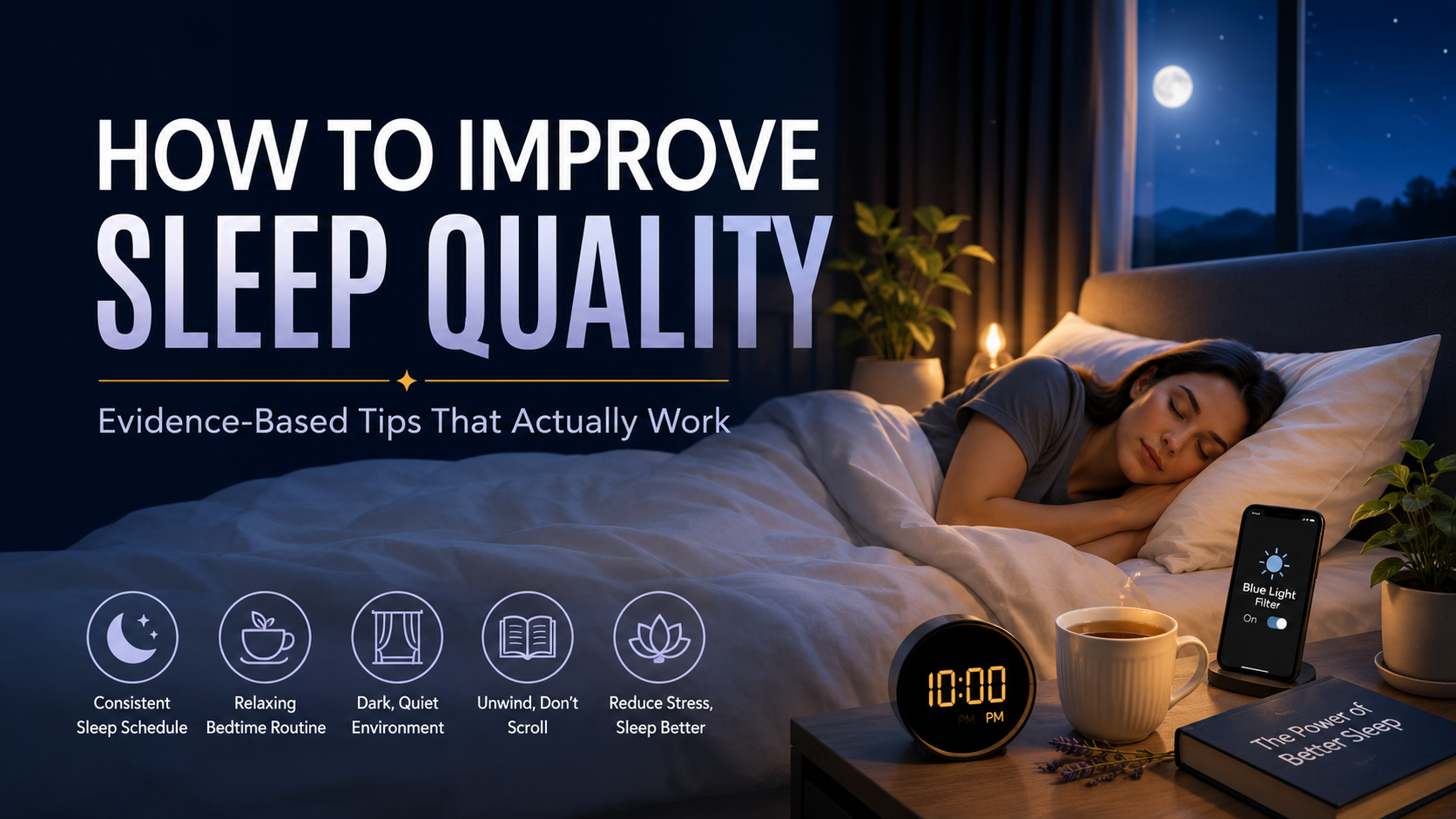
Read Also: Improve Sleep Quality: Evidence-Based Tips That Work
12. Tofu and Edamame
Soy-based foods like tofu and edamame are solid plant-based tryptophan sources, making them a useful option for vegetarians and vegans building a sleep-friendly evening meal.
13. Sweet Potatoes
Sweet potatoes offer complex carbohydrates along with potassium and magnesium, supporting both stable blood sugar and muscle relaxation overnight.
14. Cheese
Cheese — particularly aged varieties — contains tryptophan along with magnesium and zinc. It pairs naturally with complex carbs (think whole-grain crackers), which may help tryptophan cross into the brain more effectively.
Try it: A small portion (1–2 oz) with whole-grain crackers as an evening snack.
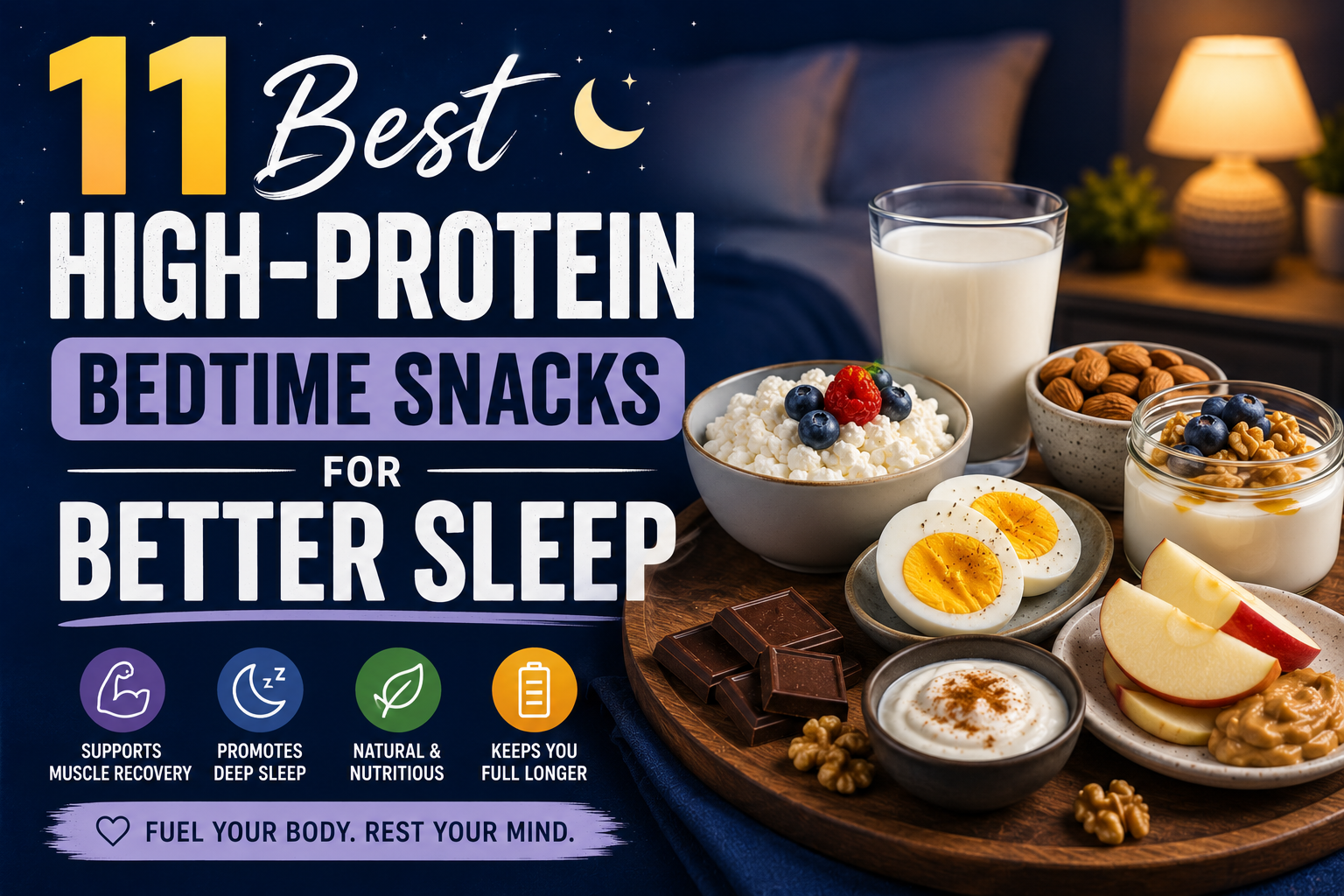
Read Also: 7 Best Foods to Eat Before Bed for Good Sleep
15. Berries and Other Antioxidant-Rich Fruit
Berries are low on the glycemic index and rich in antioxidants, which may help offset the oxidative stress associated with poor sleep quality. Along with kiwi and tart cherries, they round out the fruit category — explored in more depth in our fruit-specific sleep guide.
Food Comparison Table
| Food | Category | Key Nutrient(s) | Best Time to Eat |
|---|---|---|---|
| Fatty fish (salmon) | Protein | Omega-3s, vitamin D, tryptophan | Early dinner |
| Tart cherries/juice | Fruit | Melatonin, anthocyanins | Evening |
| Kiwi | Fruit | Serotonin, antioxidants | 1 hour before bed |
| Almonds/walnuts | Nuts | Magnesium, melatonin (walnuts) | Evening snack |
| Pistachios | Nuts | Melatonin, vitamin B6 | Evening snack |
| Turkey/poultry | Protein | Tryptophan | Early dinner |
| Eggs | Protein | Tryptophan, vitamin D | Light evening snack |
| Milk | Dairy | Tryptophan, melatonin | 30–60 min before bed |
| Oats | Whole grain | Complex carbs, melatonin | Early evening |
| Bananas | Fruit | Magnesium, potassium, tryptophan | Evening snack |
| Chamomile tea | Beverage | Apigenin | 30–60 min before bed |
| Tofu/edamame | Plant protein | Tryptophan | Early dinner |
| Sweet potatoes | Whole food/carb | Complex carbs, potassium | Early dinner |
| Cheese | Dairy | Tryptophan, magnesium, zinc | Small evening snack |
| Berries | Fruit | Antioxidants, low glycemic index | Evening snack |
Building a Sleep-Friendly Evening Snack
The most effective bedtime snacks tend to combine a slow-digesting carbohydrate with a small amount of protein. A few easy combinations:
- Banana with a spoonful of almond butter
- Whole-grain crackers with a slice of cheese
- Plain Greek yogurt with a handful of berries
- Oatmeal topped with sliced banana
- A small bowl of edamame
Keep portions modest — this is a snack, not a second dinner — and try to eat 1–2 hours before lying down to give digestion time to settle.
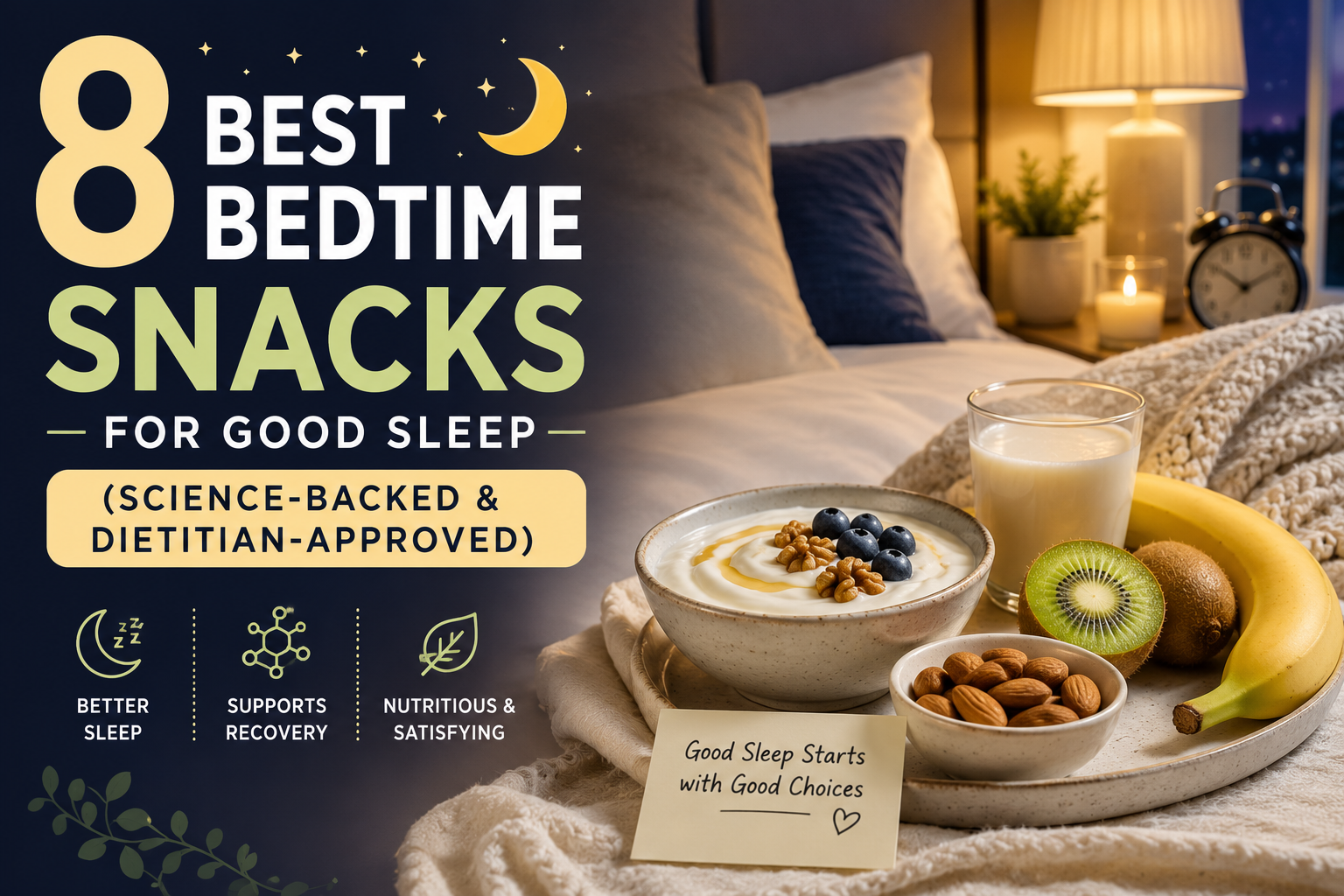
You May Also Like: 8 Best Bedtime Snacks for Good Sleep
Foods and Drinks to Avoid Before Bed
Some common choices can work against your sleep goals:
- Caffeine: Found in coffee, tea, chocolate, and many sodas, caffeine can stay in your system for several hours. Most experts recommend avoiding it for at least 6 hours before bed, and some people are sensitive well beyond that window.
- Alcohol: It may make you feel drowsy initially, but alcohol is associated with more fragmented sleep and disrupted REM cycles later in the night.
- Heavy or high-fat meals: Rich, fatty foods take longer to digest and can cause discomfort when eaten too close to bedtime.
- Spicy foods: These can trigger heartburn or raise body temperature, both of which may interfere with falling asleep.
- High-sugar snacks: Refined sugar can cause a blood sugar spike followed by a dip, potentially contributing to nighttime awakenings.
Beyond Diet: Other Habits That Support Natural Sleep
Diet is one lever among several. The American Academy of Sleep Medicine and the CDC both emphasize that consistent sleep and wake times, limiting screen exposure before bed, and keeping your bedroom cool and dark tend to have a larger overall impact on sleep quality than any single food choice. Diet works best as a supporting habit alongside these fundamentals — not a replacement for them.
Key Takeaways
- Tryptophan, melatonin, magnesium, and potassium are the key nutrients behind most sleep-supporting foods.
- Tart cherries and kiwi have some of the most direct research support, though studies remain small.
- Pairing a complex carb with a small amount of protein makes for a well-rounded bedtime snack.
- Caffeine, alcohol, heavy meals, and high-sugar snacks are worth limiting in the hours before bed.
- Food works best as one part of a broader sleep routine, alongside consistent sleep timing and a cool, dark bedroom.
The Bottom Line
There’s no single food that guarantees a perfect night’s sleep, but a growing body of research points to real, if modest, benefits from foods rich in melatonin, tryptophan, magnesium, and potassium. Start by swapping your current evening snack for one of the combinations above, keep portions light, and give your body 1–2 hours to digest before lying down. If sleep issues persist despite these changes, it’s worth talking to a healthcare provider to rule out an underlying sleep disorder.
You May Also like: 9-Step Bedtime Routine for Adults to Improve Sleep Quality
This article is for informational purposes only and is not a substitute for professional medical advice. If you have chronic sleep issues, consult a healthcare provider or board-certified sleep specialist.
Frequently Asked Questions
What foods naturally help you sleep?
Foods containing melatonin, tryptophan, magnesium, or potassium — such as tart cherries, kiwi, almonds, turkey, milk, and oats — are commonly associated with better sleep quality, though effects are generally modest.
What can I eat at night to fall asleep faster?
A small snack combining a complex carbohydrate and a bit of protein — like a banana with almond butter, or crackers with cheese — is a reasonable choice about an hour before bed.
Is it better to eat protein or carbs before bed for sleep?
Research suggests a combination works better than either alone. Carbohydrates may help tryptophan reach the brain more efficiently, while protein supplies the tryptophan itself.
Do melatonin-rich foods actually work like a supplement?
Not exactly. The melatonin content in food is far lower than in a supplement, so the effect is likely more modest and gradual rather than immediate.
What foods should I avoid before bed?
Caffeine, alcohol, heavy or high-fat meals, spicy foods, and high-sugar snacks are commonly linked to disrupted or lower-quality sleep.
How soon before bed should I eat a sleep-friendly snack?
Most guidance suggests 1–2 hours before bed, giving your body time to digest before you lie down.
Can diet alone fix insomnia?
No. Diet may support better sleep as part of a broader routine, but persistent insomnia should be discussed with a doctor or sleep specialist rather than managed through food alone.