Low Impact Workouts for Weight Loss: The Complete Guide
You don’t need to sprint, jump, or punish your joints to get fit.
That might sound counterintuitive — especially if you’ve been told that “real” exercise means HIIT classes and running until your knees ache. But the truth is, low impact workouts can be just as powerful as high-intensity training, and in many cases, they’re actually the smarter choice.
Whether you’re dealing with sore knees, recovering from an injury, starting your fitness journey for the first time, or simply tired of feeling wrecked after every session, low impact exercise offers something rare: results without the punishment.
In this guide, you’ll get everything you need — what low impact training is, why it works, the best exercises, how to build a weekly routine, and how to make it more challenging when you’re ready to level up.
What Are Low Impact Workouts?#
Low impact workouts are exercises where at least one foot stays in contact with the ground (or your body is supported by water) at all times. There’s no jumping, pounding, or high-force impact on your joints. Think: walking, swimming, cycling, yoga, rowing, and strength training — all challenging, none of them punishing.
The word “low impact” refers specifically to joint stress, not workout difficulty. You can have a low impact workout that’s actually quite intense — your heart rate can skyrocket, your muscles can burn, and you can absolutely break a sweat. It just won’t beat up your knees, hips, and ankles in the process.

Is Low Impact Exercise Actually Effective#
Short answer: yes, absolutely.
Long answer: research consistently shows that low impact training can match high impact workouts for cardiovascular improvements, weight loss, and muscle building — as long as you’re challenging your body enough. A 2019 study published in the Journal of Exercise Science & Fitness found that low impact interval training produced similar aerobic adaptations to high impact intervals in sedentary adults.
The key variables are the same regardless of impact level: intensity, duration, progressive overload, and consistency.
Here’s what makes low impact exercise so effective for long-term fitness:
- Lower injury risk means you can train consistently without taking weeks off to recover.
- Joint preservation is especially critical as you age.
- It’s sustainable — workouts you can actually stick to beat theoretically superior workouts you keep skipping.
- Full-body benefits including improved cardiovascular health, strength, flexibility, and mobility.
In fact, the Physical Activity Guidelines for Americans emphasize that regular physical activity of any type can significantly improve overall health, reduce disease risk, and support long-term weight management.
Who Should Do Low Impact Workouts?#
Low impact fitness isn’t just for seniors or people with injuries (though it’s excellent for both). It’s a smart choice for a wide range of people:
| Who Benefits | Why Low Impact Works for Them |
|---|---|
| Beginners | Builds base fitness without risk of injury |
| People with bad knees or joint pain | Minimizes stress on vulnerable joints |
| Those recovering from surgery or injury | Allows movement during rehabilitation |
| Seniors (65+) | Supports mobility, balance, and bone density safely |
| Pregnant or postpartum women | Maintains fitness with appropriate intensity |
| People managing diabetes or hypertension | Provides cardiovascular benefits at safe exertion levels |
| Anyone living in an apartment | Quiet, neighbor-friendly options available |
| Intermediate and advanced exercisers | Valuable for active recovery and cross-training |
If you’ve been avoiding exercise because you’re afraid of getting hurt — or because past high impact workouts left you sore and burned out — low impact training is worth a serious look.
The 10 Best Low Impact Workouts (With Benefits)#
1. Walking (The Most Underrated Exercise on the Planet)#
Don’t sleep on walking. A 2022 study in Nature Medicine found that just 8,200 steps per day was associated with significant reductions in obesity, depression, diabetes, and sleep apnea. Walking is low impact cardio at its most accessible — no equipment, no gym, no excuses.
Make it harder: Walk uphill, increase speed, use trekking poles, or add a weighted vest.

2. Swimming and Water Aerobics#
Water essentially removes gravity from the equation. The buoyancy of water reduces impact on your joints by up to 90%, making swimming one of the best low impact workouts for bad knees, arthritis, and injury recovery. It’s also a legitimate full-body workout that builds cardiovascular fitness and muscular endurance simultaneously.
Water aerobics, specifically, has seen a surge in popularity as a low impact workout for seniors — and for good reason. The resistance of water challenges muscles without any joint stress.
3. Cycling (Indoor or Outdoor)#
Cycling is joint-friendly cardio that can be genuinely intense. On an indoor bike, you control the resistance and push into high-intensity intervals — all with zero impact on your knees or hips. This makes cycling an ideal low impact cardio exercise for people with joint pain who still want to crush a serious workout.
Pro tip: Proper bike fit matters enormously for comfort and injury prevention. If your knees hurt while cycling, your seat is likely too low.
4. Elliptical Training#
The elliptical machine mimics running mechanics without the ground impact. Studies have found that elliptical training produces similar cardiovascular benefits to treadmill running while significantly reducing joint loading. It’s a go-to for runners who are nursing injuries or need a lower-stress alternative.
Read Also: 7 Best Cardio Workouts to Lose Weight at Home (No Gym, No Excuses)
5. Rowing#
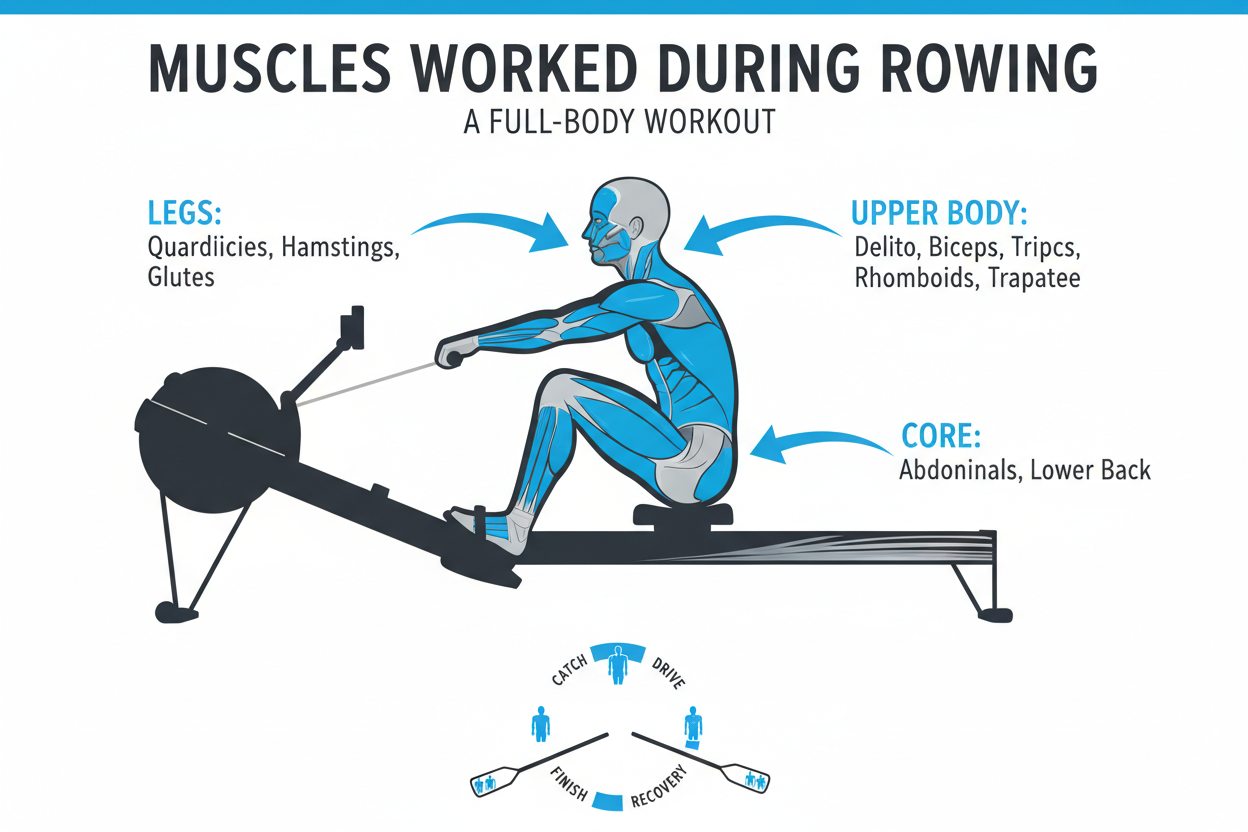
Rowing is a sleeper hit of the fitness world. It’s a low impact full body workout that engages your legs, back, core, and arms simultaneously, making it one of the most time-efficient exercises available. A strong rowing session can burn 400–600 calories per hour while being completely joint-friendly.
6. Strength Training#
Yes — lifting weights is low impact. There’s no pounding, no jumping, just controlled movement under load. And it might be the most important type of exercise you can do for long-term health. Progressive strength training builds muscle, boosts metabolism, improves bone density, and supports joint stability.
Low impact strength training exercises include:
- Squats and goblet squats
- Romanian deadlifts
- Seated rows and lat pulldowns
- Chest press and shoulder press
- Glute bridges and hip thrusts
Don’t be afraid of the weights section. Start light, focus on form, and progress gradually.
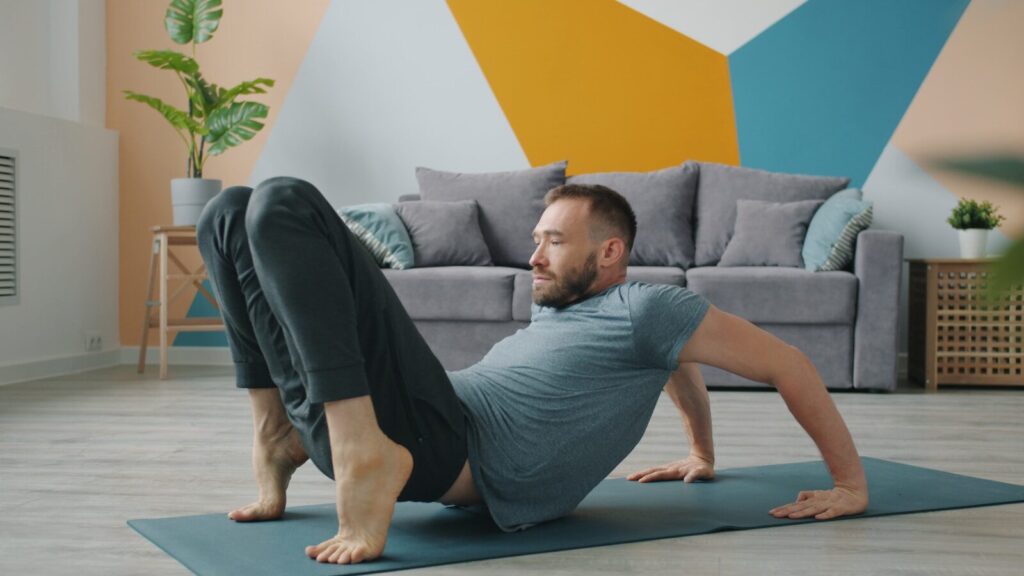
7. Yoga#
Yoga builds strength, flexibility, balance, and mindfulness all in one practice. It’s one of the most versatile low impact exercises available — restorative styles offer gentle recovery, while power yoga or Ashtanga can be genuinely demanding. For people dealing with chronic pain, yoga has strong evidence backing its effectiveness for reducing discomfort and improving function.
8. Pilates#
If yoga is the ancient wisdom, Pilates is its precision-engineered cousin. Pilates focuses specifically on core strength, spinal alignment, and controlled movement — making it excellent low impact strength training for beginners and rehabilitation alike. Mat Pilates requires zero equipment and can be done anywhere.
9. Tai Chi#
Tai chi often gets written off as just something people do in parks at 7am. In reality, it’s one of the most evidence-backed movement practices for older adults. Research published in the British Journal of Sports Medicine found that tai chi significantly reduced fall risk and improved balance in seniors. It’s a quiet, meditative, joint-friendly workout with real functional benefits.
10. Dancing (Yes, It Counts)#
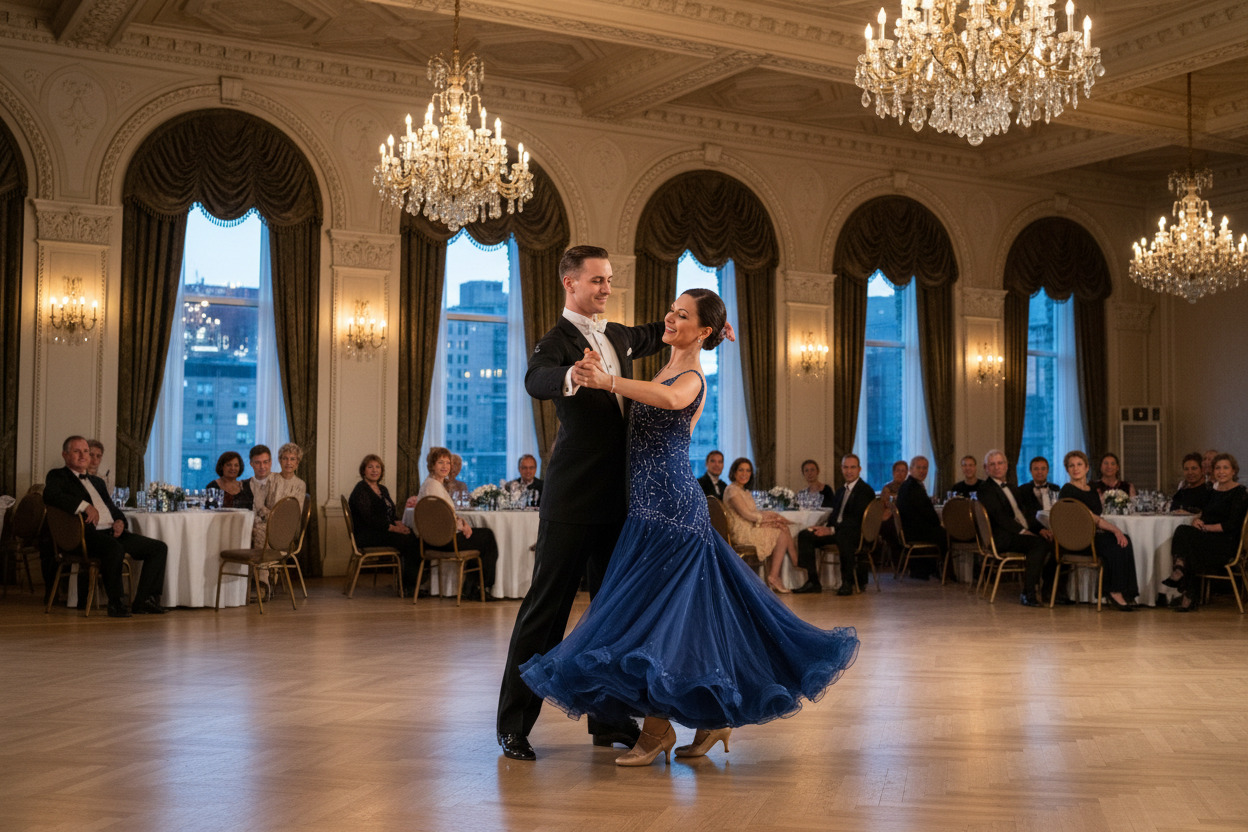
Ballroom dancing, salsa, Zumba, or just freestyle movement in your living room — dancing is a legitimately effective low impact cardio exercise. It combines cardiovascular conditioning with balance, coordination, and spatial awareness. And you actually enjoy it, which makes you keep showing up.
Low Impact Workout Routine You Can Do at Home (No Equipment)#
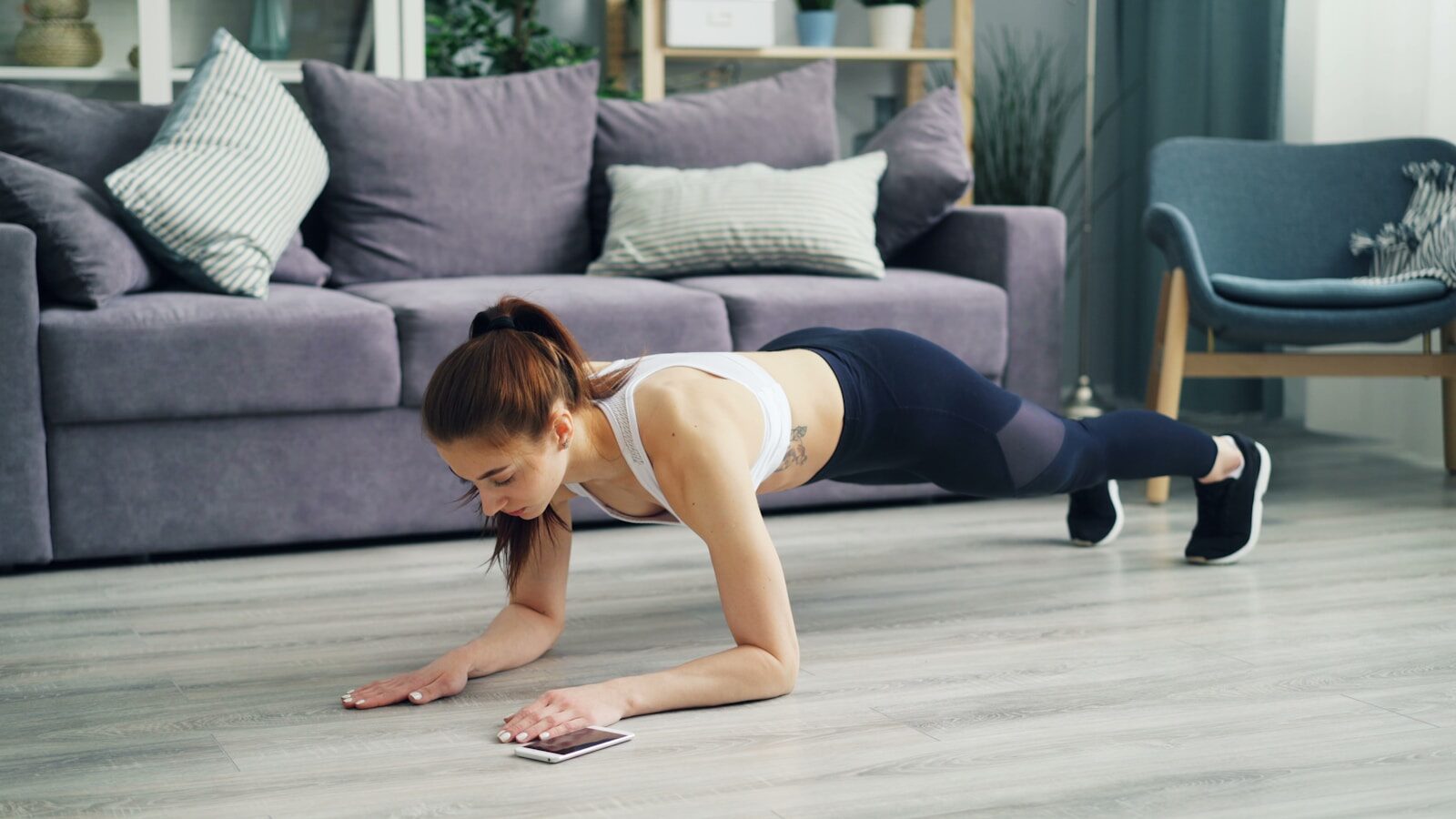
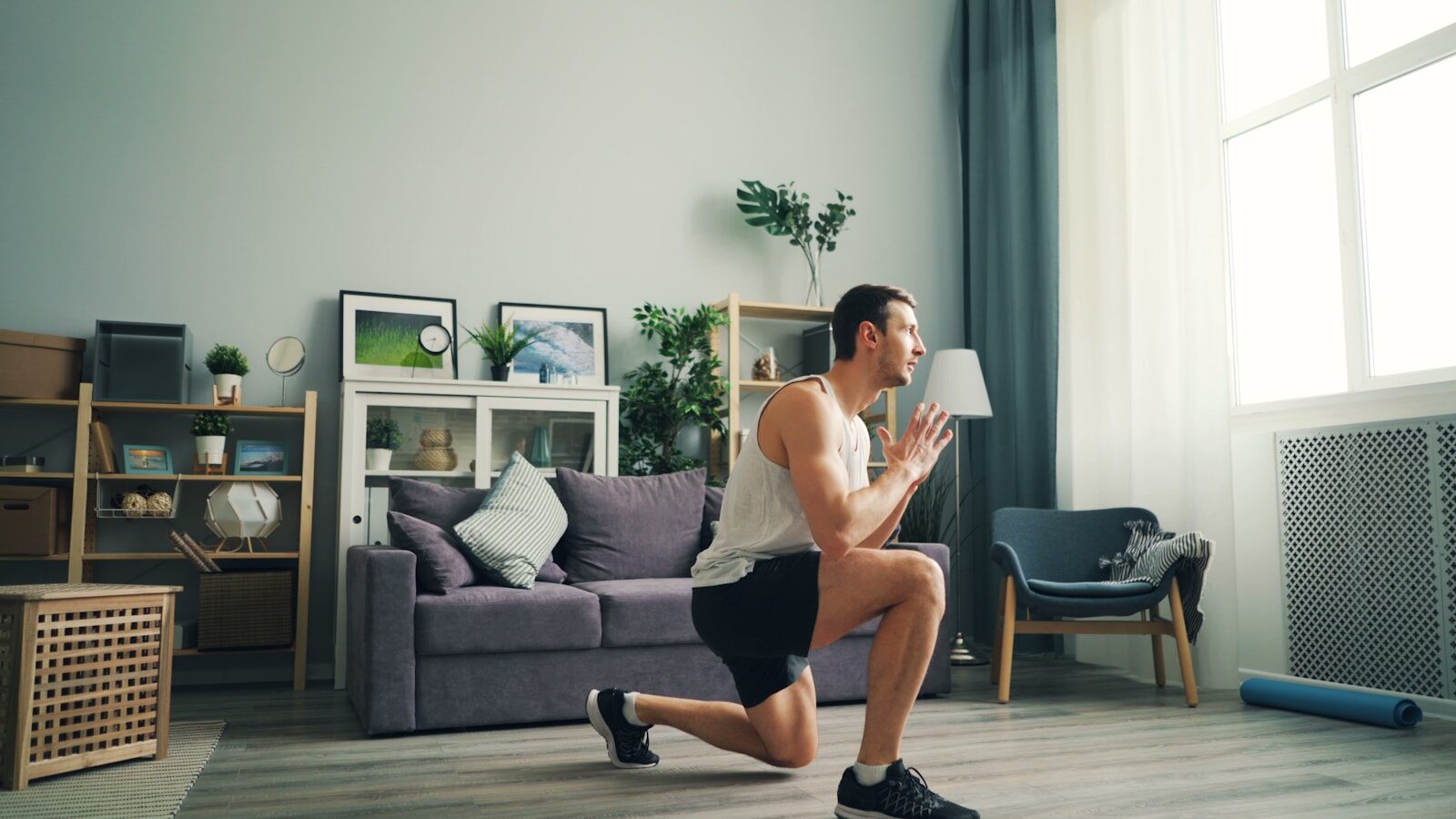
Here’s a beginner low impact home workout routine you can do in 30 minutes, no equipment required. No jumping, no downstairs neighbor complaints, and no gym membership needed.
Warm-Up (5 minutes)
- March in place: 2 minutes
- Hip circles: 30 seconds each side
- Arm swings: 1 minute
- Gentle torso twists: 1 minute
Main Circuit — 3 Rounds (20 minutes)
| Exercise | Reps / Duration | Rest |
|---|---|---|
| Bodyweight squats | 15 reps | 30 sec |
| Step-touch side steps | 45 seconds | 20 sec |
| Glute bridges | 15 reps | 30 sec |
| Wall push-ups | 12 reps | 30 sec |
| Standing knee raises | 30 seconds | 20 sec |
| Bird-dog (each side) | 10 reps | 30 sec |
| Standing side leg raises | 12 each side | 30 sec |
Cool-Down (5 minutes)
- Standing quad stretch: 30 seconds each
- Hip flexor stretch: 45 seconds each
- Child’s pose: 1 minute
- Seated forward fold: 1 minute
How to Make Low Impact Workouts More Challenging#
One common misconception is that once you start feeling comfortable with low impact exercise, you need to “graduate” to high impact training. You don’t.
Here are five ways to increase the challenge while keeping everything joint-friendly:
- Increase resistance or weight — Add bands, dumbbells, or weighted vests to bodyweight moves
- Add incline — Walking uphill dramatically increases cardiovascular demand and calorie burn
- Slow down the movement — A 4-second eccentric (lowering) phase in squats is brutally hard
- Add intervals — Alternate between moderate and high-effort periods (low impact HIIT)
- Extend duration — Go from 20-minute walks to 45-minute walks before adding intensity
The goal is progressive overload — consistently asking a little more of your body over time. That’s what drives adaptation, regardless of impact level.
You May Also Like: 7 Powerful Daily Fitness Routine for Beginners at Home to Lose Weight Fast
How Often Should You Do Low Impact Workouts?#
Because low impact exercise is easier on your joints and connective tissue, you can do it more frequently than high impact training. Here’s a practical framework:
5–6 days per week is sustainable for most people if you vary intensity:
- 2–3 days of low impact strength training
- 2–3 days of low impact cardio (walking, cycling, swimming)
- 1 day of active recovery (gentle yoga, stretching, slow walk)
Listen to your body. Fatigue, persistent soreness, and declining performance are signs you need more rest. But gentle movement on most days is generally beneficial — especially as you age.
Low Impact vs. Low Intensity: What’s the Difference?#
These terms get conflated constantly, but they mean different things:
- Low impact = minimal joint stress (one foot on the ground or body supported)
- Low intensity = light effort, low heart rate (Zone 1–2 cardio, leisurely stroll)
You can have high-intensity low-impact workouts — sprint intervals on a bike, hard rowing sessions, heavy strength training. The impact stays low even as the effort goes high.
This distinction matters because it expands your options. Low impact doesn’t mean easy. It means smart.
Quiet Low Impact Workouts for Apartments#
If you’re training in an apartment, noise and vibration are real concerns. Here are low impact options that are virtually silent:
- Yoga and Pilates on a mat
- Resistance band strength training
- Slow, controlled bodyweight exercises (squats, lunges, push-ups)
- Stationary cycling (with a trainer stand or exercise bike)
- Walking in place or step-touches during warm-up
Avoid box jumps, jumping jacks, burpees, or anything plyometric. Everything in this list works beautifully in a 400-square-foot apartment.
Conclusion: Move Smarter, Not Harder#
The fitness industry has spent decades selling the idea that if you’re not gasping, grimacing, or jumping, you’re not really working out. That’s simply not true — and for a lot of people, high impact training is actively getting in the way of consistent, long-term progress.
Low impact workouts let you show up day after day, week after week, without accumulating the joint wear that eventually forces you to stop. They’re sustainable. They’re adaptable. And they work.
Start with one or two sessions this week. Walk more. Get on a bike. Try a Pilates class. Your joints will thank you — and so will your future self.
Ready to get started? Pick one workout from this list and commit to three sessions this week. Small steps, consistent movement, real results.
You May Also Like: Healthy Morning Routine to Lose Weight: 10 Simple Habits That Actually Work
Frequently Asked Questions#
What are low impact workouts?#
Low impact workouts are exercises where at least one foot stays grounded (or the body is supported by water), minimizing joint stress. They avoid jumping and high-force movements while still delivering real fitness benefits.
Are low impact workouts effective for weight loss? #
Yes. Low impact exercise burns calories, builds muscle, and can be just as effective as high impact training for weight loss — especially when intensity is managed well. Walking, cycling, and strength training are all proven tools for fat loss.
Can low impact workouts build muscle? #
Absolutely. Strength training, rowing, Pilates, and yoga all build muscle. Add progressive overload (more weight, reps, or difficulty over time) and you’ll see real strength gains.
Are low impact workouts good for bad knees? #
Yes — they’re often the best option. Swimming, cycling, elliptical training, and strength exercises that don’t load the knee in awkward positions (like leg press, glute bridges) are all excellent choices for joint pain.
Can I do low impact workouts every day? #
You can exercise most days as long as you vary intensity. Mix harder days with easier, more restorative sessions. Always include at least one lighter recovery day each week.