9 Foods That Keep You Awake at Night (And Why They Disrupt Sleep)
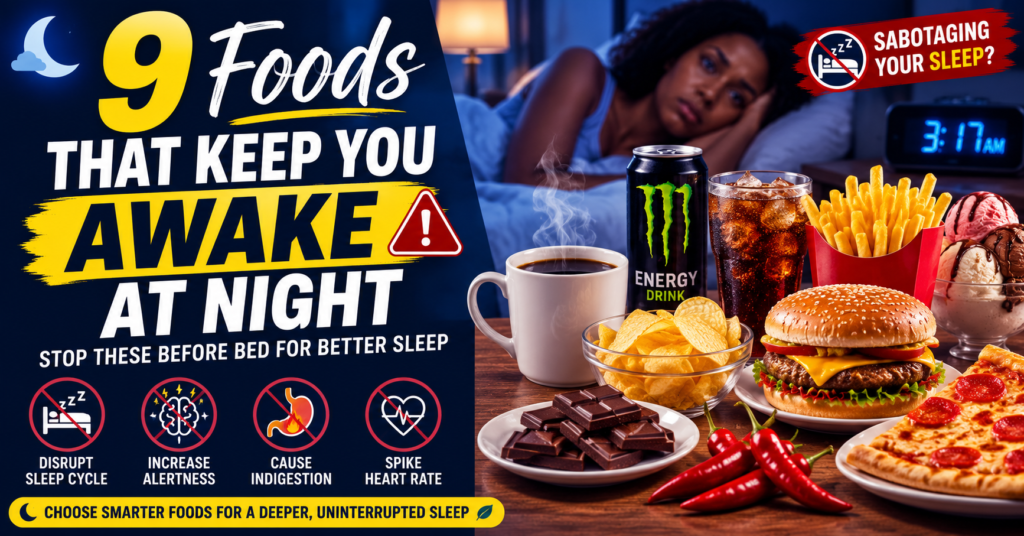
If you’re eating reasonably well but still tossing and turning, your evening snack might be part of the problem. Foods that keep you awake at night include caffeine, chocolate, alcohol, spicy foods, high-fat and fried foods, aged cheese and processed meats, citrus fruits and tomatoes, high-sugar foods, and excess fluids close to bedtime — each disrupts sleep through a different mechanism, from blocking your body’s natural sleep signals to triggering acid reflux.
None of these foods are “bad” in a general sense — this is about timing, not permanent avoidance. Below, we’ll walk through why each one interferes with sleep, how long before bed you should steer clear, and what to reach for instead.
Table of Contents
How Food Disrupts Sleep: The Science Behind It
Understanding why these foods keep you up makes it much easier to know which ones actually matter for your own habits.
Stimulants and adenosine blocking
Caffeine works by blocking adenosine, a chemical that naturally builds up in your brain throughout the day and makes you feel sleepy. The more adenosine caffeine blocks, the more alert — and less ready for sleep — you feel, even hours later.
Acid reflux and body temperature
Spicy and high-fat foods can both aggravate acid reflux, which tends to worsen when you’re lying flat. Spicy foods may also raise your core body temperature slightly, working against the natural temperature drop your body needs to fall asleep.
Blood sugar spikes and tyramine
High-sugar and refined-carb foods can cause a fast rise and fall in blood sugar, which may trigger a stress-hormone response that wakes you up overnight. Separately, aged and cured foods contain tyramine, an amino acid that can prompt the release of norepinephrine — a hormone that increases brain activity at exactly the wrong time.
You May Also Like: Sleepmaxxing Tips and Tricks That Actually Work
9 Drinks and Foods That Keep You Awake at Night
1. Caffeine (Coffee, Tea, Energy Drinks, Soda)
This is the most well-established sleep disruptor on the list. Caffeine has a half-life of roughly 5 to 7 hours, meaning a substantial amount is still active in your system many hours after you drink it. Research shows that even caffeine consumed 6 hours before bedtime can measurably reduce total sleep time. Hidden sources are easy to miss too — flavored waters, certain “energy” snack bars, and even some over-the-counter pain relievers contain caffeine.
Cutoff guidance: Most sleep experts recommend avoiding caffeine for at least 6 hours before bed; more sensitive individuals may want to stop by early afternoon.
2. Chocolate (Especially Dark Chocolate)
Chocolate contains both caffeine and theobromine, a related stimulant compound. Dark chocolate tends to have more of both than milk chocolate. It’s usually the smaller of the two concerns compared to coffee, but it can add up if you’re having it as a nightly dessert.
3. Alcohol
Alcohol has a reputation as a sleep aid because it can make you feel drowsy initially, but the research tells a more complicated story. Alcohol is associated with more fragmented sleep, more nighttime awakenings, and disrupted REM cycles later in the night — meaning you may fall asleep faster but sleep worse overall.
Cutoff guidance: If you drink, having your last drink several hours before bed — and limiting overall intake — tends to reduce the impact on sleep architecture.
4. Spicy Foods
Capsaicin, the compound that gives chili peppers their heat, has been studied for its effect on acid reflux. Research has found that spicy meals can aggravate GERD symptoms, and lying down soon after a spicy dinner gives stomach acid an easier path into the esophagus. Some research also suggests spicy food may modestly raise core body temperature, another factor that can interfere with falling asleep.
Read Also: Is Kiwi Good Before Bed? 7 Surprising Benefits for Deep Sleep
5. High-Fat and Fried Foods
Fried foods, fast food, and fatty cuts of meat digest slowly, which means your body is still hard at work on digestion right as you’re trying to fall asleep. Diets heavy in fried and high-cholesterol foods have been associated with less restorative sleep in observational research. A slower-digesting, high-fat meal eaten late is more likely to cause discomfort, bloating, or reflux overnight.
6. Aged Cheese and Cured or Processed Meats
Foods like aged cheddar, blue cheese, salami, pepperoni, bacon, and deli meats are relatively high in tyramine. Tyramine can trigger the release of norepinephrine, a hormone linked to increased alertness — not exactly what you want right before bed. These foods are often also high in sodium and fat, compounding the effect.
7. Citrus Fruits and Tomatoes
Here’s an important nuance: most fruit is genuinely supportive of good sleep (see our guide to the best fruits to eat at night for sleep), but highly acidic fruits — oranges, grapefruit, lemon — and tomatoes are the exception. Their acidity can worsen reflux symptoms for people prone to heartburn, particularly when eaten close to lying down. If you don’t have reflux issues, this is a much smaller concern; if you do, it’s worth shifting citrus to earlier in the day.
8. High-Sugar Foods and Refined Carbs
Cookies, candy, sweetened cereal, and white bread or rice are all quick sources of sugar or high-glycemic carbohydrates. Some research has linked higher sugar intake to more disrupted, restless sleep. These foods can also produce an initial wave of drowsiness followed by a blood sugar dip a few hours later — which is often exactly when it wakes you up.
9. Excess Fluids Close to Bedtime
Staying hydrated during the day supports good sleep, but drinking a large volume of any liquid — water, tea, or otherwise — right before bed increases the odds of waking up for a bathroom trip. This is a simple timing issue rather than a “bad food,” but it’s one of the most common and overlooked sleep disruptors.
Read Also: Banana Before Bed Good for Sleep? 5 Proven Expert Facts!
Sleep-Disrupting Foods Comparison Table
| Food/Drink | Why It Disrupts Sleep | How Long Before Bed to Avoid |
|---|---|---|
| Caffeine (coffee, tea, soda, energy drinks) | Blocks adenosine, delays sleep onset | At least 6 hours |
| Chocolate (especially dark) | Contains caffeine and theobromine | 4–6 hours |
| Alcohol | Fragments sleep, disrupts REM | 3–4 hours, and moderate overall intake |
| Spicy foods | Triggers acid reflux, raises body temperature | 2–3 hours |
| High-fat/fried foods | Slow digestion, reflux risk | 2–3 hours |
| Aged cheese/processed meats | High in tyramine, raises alertness | 2–3 hours |
| Citrus fruits/tomatoes | Acidic, worsens reflux for some | 2–3 hours if reflux-prone |
| High-sugar/refined carbs | Blood sugar spike and crash | 2–3 hours |
| Excess fluids | Increases nighttime bathroom trips | 1–2 hours |
How Long Before Bed Should You Stop Eating and Drinking These?
As a general rule of thumb, most sleep experts suggest finishing your last full meal 2 to 3 hours before bed, giving your digestive system time to work before you lie down. Caffeine is the outlier — its long half-life means the real cutoff is closer to 6 hours, and some people are sensitive enough to need an even earlier stop time. If you’re not sure which foods are affecting you, an evening food-and-sleep journal for a week or two can help you spot patterns.
Read Also: 8 Best Bedtime Snacks for Good Sleep (Science-Backed & Dietitian-Approved)
Smart Swaps: What to Eat Instead
If you’re hungry in the evening, swapping in a sleep-friendlier option can make a real difference. Instead of chips or cookies, try a small handful of almonds or a banana with almond butter. Instead of a soda or coffee, try herbal tea like chamomile. For a full list of options and the research behind them, see our complete guide to foods that help you sleep naturally.
When Diet Isn’t the Whole Story
If you’ve cleaned up your evening eating habits and you’re still struggling to fall or stay asleep, diet may not be the main issue. Conditions like insomnia, sleep apnea, and restless legs syndrome are common and treatable, and the American Academy of Sleep Medicine and CDC both recommend speaking with a healthcare provider if sleep problems persist for more than a few weeks, especially if they’re affecting your daytime functioning.
Key Takeaways
- Caffeine is the biggest and most well-documented sleep disruptor, with effects lasting up to 6 hours or more.
- Alcohol may help you fall asleep faster but tends to fragment sleep and reduce overall quality.
- Spicy, high-fat, and acidic foods primarily disrupt sleep through reflux and digestive discomfort.
- Tyramine in aged cheese and processed meats, and sugar spikes from refined carbs, can also interfere with staying asleep.
- Most of these foods are fine earlier in the day — the key is giving your body 2–6 hours (depending on the food) to process them before bed.
The Bottom Line
You don’t have to eliminate any of these foods entirely — timing is usually the bigger factor than the food itself. Try shifting your coffee, dessert, or spicy dinner earlier in the day, and see if your sleep improves over a week or two. If you’re looking for what to eat instead, our guide to foods that help you sleep naturally is a good next stop. And if sleep issues persist no matter what you eat, it’s worth talking to a doctor to check for an underlying sleep disorder.
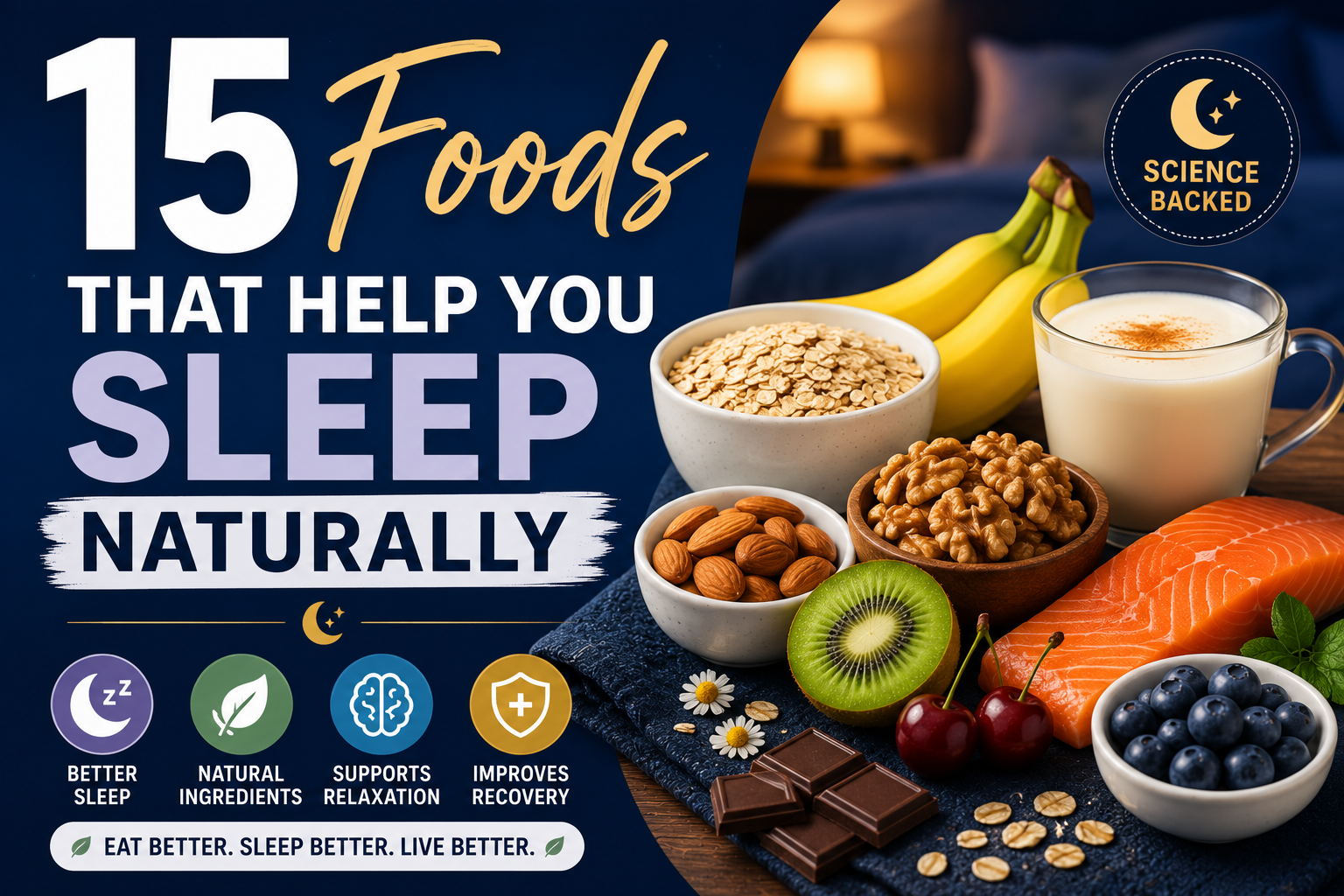
You May Also Like: 15 Foods That Help You Sleep Naturally (Backed by Sleep Science)
This article is for informational purposes only and is not a substitute for professional medical advice. If you have chronic sleep issues, consult a healthcare provider or board-certified sleep specialist.
Frequently Asked Questions
What foods keep you awake at night?
Caffeine, chocolate, alcohol, spicy foods, high-fat and fried foods, aged cheese and processed meats, acidic fruits like citrus, high-sugar foods, and excess fluids are among the most common sleep disruptors.
Why does spicy food keep you awake?
Spicy foods can trigger acid reflux, which tends to worsen when lying down, and may also modestly raise core body temperature — both of which can interfere with falling asleep.
How long does caffeine affect sleep?
Caffeine has a half-life of about 5 to 7 hours, meaning a significant amount can still be active in your system well into the evening even if you drink it in the afternoon.
Does sugar really disrupt sleep?
Research has linked higher sugar intake to more restless, fragmented sleep, likely related to the blood sugar spikes and subsequent dips that sugary foods can cause.
Is a glass of wine before bed bad for sleep?
Alcohol may help you feel drowsy at first, but it’s associated with more fragmented sleep and disrupted REM cycles later in the night, so it can reduce overall sleep quality even if it seems to help you fall asleep faster.
What should I eat instead if I’m hungry before bed?
Lighter, easily digestible options like a banana, a small handful of almonds, or plain yogurt with berries are generally better choices than sugary, fatty, or spicy snacks.
Can eating late at night cause insomnia?
Eating a large or rich meal very close to bedtime can cause discomfort and reflux that make it harder to fall asleep, but occasional late eating is unlikely to cause chronic insomnia on its own. Persistent insomnia is worth discussing with a healthcare provider.